New Delhi, November 13, 2026 (Yes Punjab News)
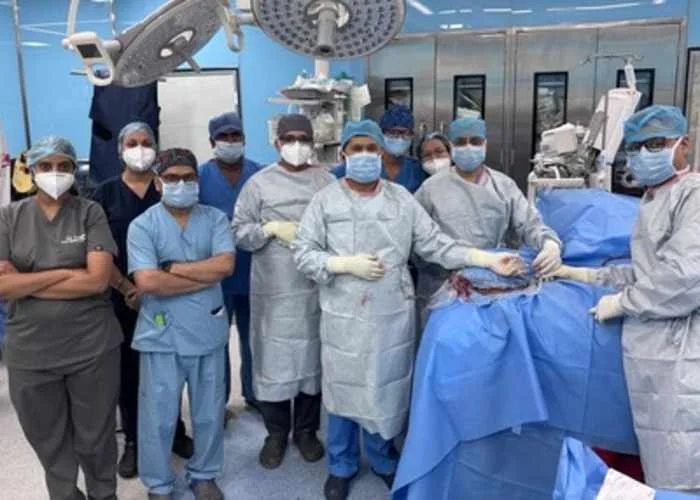
Army Hospital (Research & Referral) in New Delhi has successfully performed advanced Deep Brain Stimulation (DBS) surgery on a 33-year-old serving soldier suffering from young-onset Parkinson's disease, offering him the prospect of improved motor control, greater independence and a better quality of life.
Parkinson's disease is a progressive neurological disorder that causes symptoms such as slowed movement, muscle stiffness and tremors. As the condition advances, patients may become increasingly dependent on assistance for everyday activities.
Medication can initially provide periods of relief, commonly known as 'ON' time. However, patients may eventually experience shorter periods of symptom control, drug-related side effects and limitations on further dosage increases.
DBS offers a surgical treatment option for selected patients. The procedure involves delivering controlled electrical impulses to the Subthalamic Nucleus, a small structure located deep within the brain.
According to the procedure details, neurosurgeons use high-resolution MRI scans to identify the target area before making two small openings in the skull and implanting fine electrodes. These are connected through leads placed beneath the skin to an internal pulse generator, similar to a pacemaker, positioned near the collarbone. The system has no visible external hardware.
When combined with carefully adjusted medication, DBS can significantly improve motor symptoms and extend periods of symptom control. In some cases, patients may experience relief for much of the day.
The procedure does not cure Parkinson's disease, but specialists say that appropriately calibrated stimulation and drug therapy can help younger patients regain substantial independence and lead near-normal lives.
DBS surgery in civilian healthcare facilities typically costs between Rs 12 lakh and Rs 18 lakh, putting it beyond the reach of many patients.
The Ministry of Defence's approval of the high-cost procedure for the serving soldier, despite the neurological condition being unrelated to military service, highlights the welfare support extended to Armed Forces personnel.
“The procedure reflects the expertise, multidisciplinary teamwork and commitment of the Armed Forces Medical Services to providing world-class healthcare to its personnel,” the Ministry of Defense said in a statement.