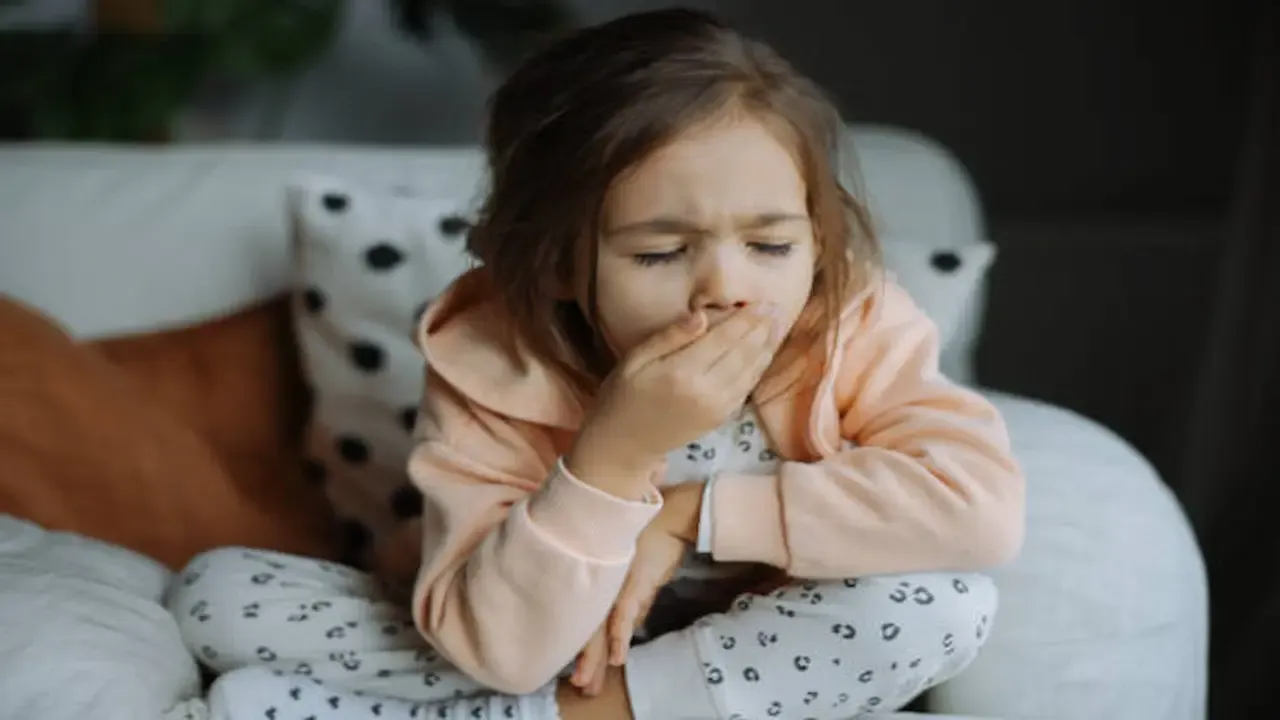
Pneumonia in Children : Pneumonia is a serious respiratory disease in children, which can be controlled to a great extent by timely identification and proper treatment. World Pneumonia Day, celebrated every year, gives us an opportunity to raise awareness about this disease and understand the importance of protecting the health of children. The risk of pneumonia is especially high in children under five years of age, because at this age their immune system and respiratory system are not fully developed.
Pneumonia is an infection mainly in the lungs, which can be caused by bacteria, virus or fungus. In this infection, the small air sacs (alveoli) of the lungs can fill with fluid or pus, due to which the child has trouble breathing and the body does not get enough oxygen. Initially its symptoms may appear like common cold, due to which parents sometimes delay in understanding the seriousness of the disease.
Do not ignore these initial symptoms at all
Persistent cough, fever, rapid breathing, trouble breathing, chest pain, lack of drinking milk or food and unusual lethargy can be the major symptoms of pneumonia in children. In young children, inward sinking of the chest below the ribs during breathing is a serious warning sign. Apart from this, if the lips or tongue turn blue, the child is unable to drink milk or water, becomes extremely lethargic or faints, immediate medical help should be sought.
It is important for parents to understand that not every cough or fever is pneumonia, but if the child is breathing faster than normal or is having trouble breathing, then one should not wait for home remedies. Timely diagnosis and correct treatment can prevent the disease from becoming serious.
Increasing air pollution is a new challenge for children's lungs.
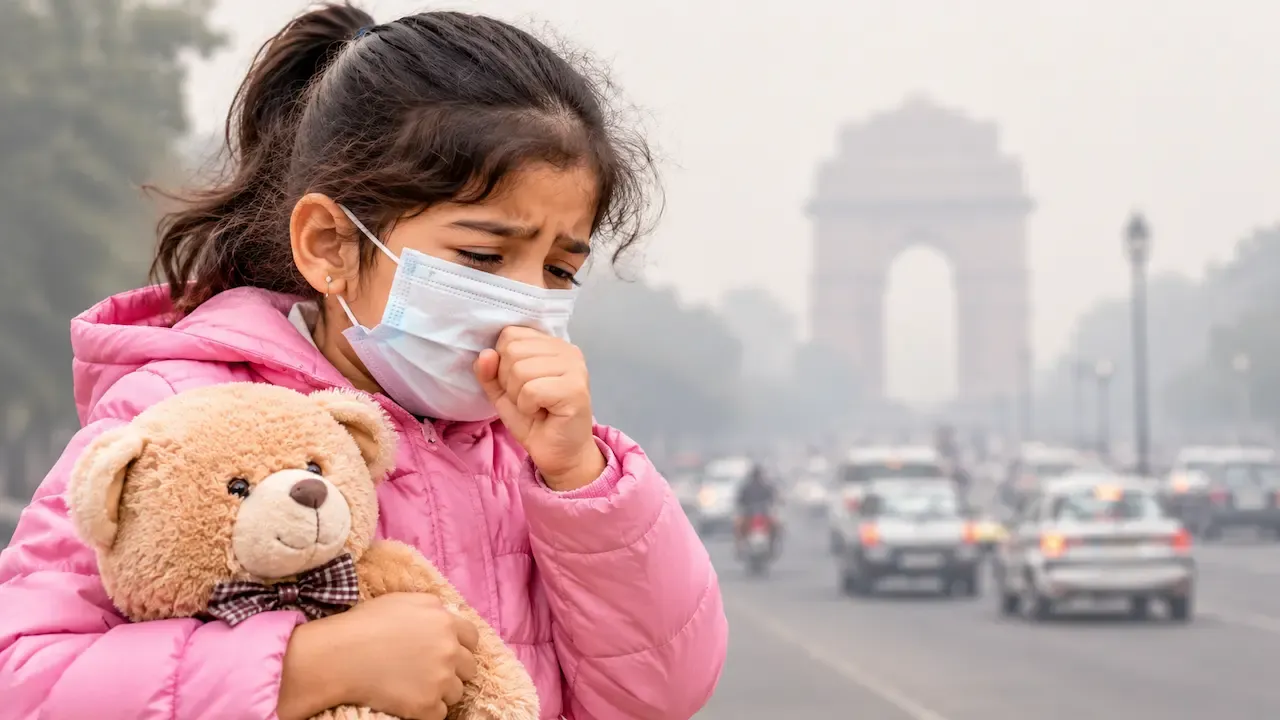
Today, a major challenge facing the respiratory health of children is increasing air pollution and poor air quality. Increase in pollution levels during winter in Delhi-NCR and many parts of North India puts additional pressure on the lungs of children. Vehicle smoke, dust from construction works, industrial emissions and fine particulate matter from stubble burning are particularly worrisome.
Very fine particles like PM2.5 can reach the lungs with inhalation and cause inflammation and irritation there. Children's lungs are still developing, their breathing rate is higher than that of adults and they take in more air in proportion to their body weight. This is why the effects of polluted air can be more serious on children.
Prolonged exposure to poor air quality can increase the risk of cough, wheezing, shortness of breath and frequent respiratory infections in children. The problems of children already suffering from asthma or allergies may also increase. Air pollution is not the only cause of pneumonia, but it can affect the respiratory system, increasing susceptibility to infection and exacerbating pre-existing respiratory problems.
Parents should take these precautions for protection
Timely vaccination of children is very important to prevent pneumonia. Pneumococcal vaccine (PCV), Hib, measles, and pertussis vaccines help protect children from serious infections. Along with this, it is also important to consume only mother's milk for six months, thereafter balanced nutrition, regular cleaning of hands and maintaining a clean environment at home.
Limit unnecessary outdoor activities of children on days with poor AQI. Avoid playing outdoors, especially during morning and evening hours, when pollution levels may be higher. Do not smoke at all in the house, reduce exposure to dust and smoke and appropriate air purifiers can be used as per need. If children need to wear masks, keep in mind their age and proper fitting. It is advisable to seek medical advice before wearing masks on very young children.
The most important thing is to contact a pediatrician if your child shows persistent cough, fever or any abnormality in breathing. Do not give antibiotics or cough medicines without doctor's advice.
Input By : Dr. Vivek Jain, Director Pediatrics, BLK-Max Super Specialty Hospital, New Delhi
FAQ
What are the early symptoms of pneumonia in children?
Persistent cough, mild or high fever, rapid breathing, sinking of the chest inwards and difficulty in drinking milk can be the initial symptoms of pneumonia.
Can every cough and cold turn into pneumonia?
No, not every cough is pneumonia. But if there is rapid breathing or chest pain along with cold, it can take the form of pneumonia.
How to protect children from pneumonia?
Getting vaccinations like PCV and Hib on time, avoiding going out in poor AQI (pollution) and exclusively breastfeeding for six months are the best protection.
How does air pollution affect children's lungs?
Micropollutant particles like PM2.5 cause swelling and irritation inside the lungs of children, making them more vulnerable to infection (pneumonia).
Should home remedies be used in case of pneumonia?
No, if the child notices problems like difficulty in breathing or sunken ribs, one should immediately consult a pediatrician without waiting for home remedies.