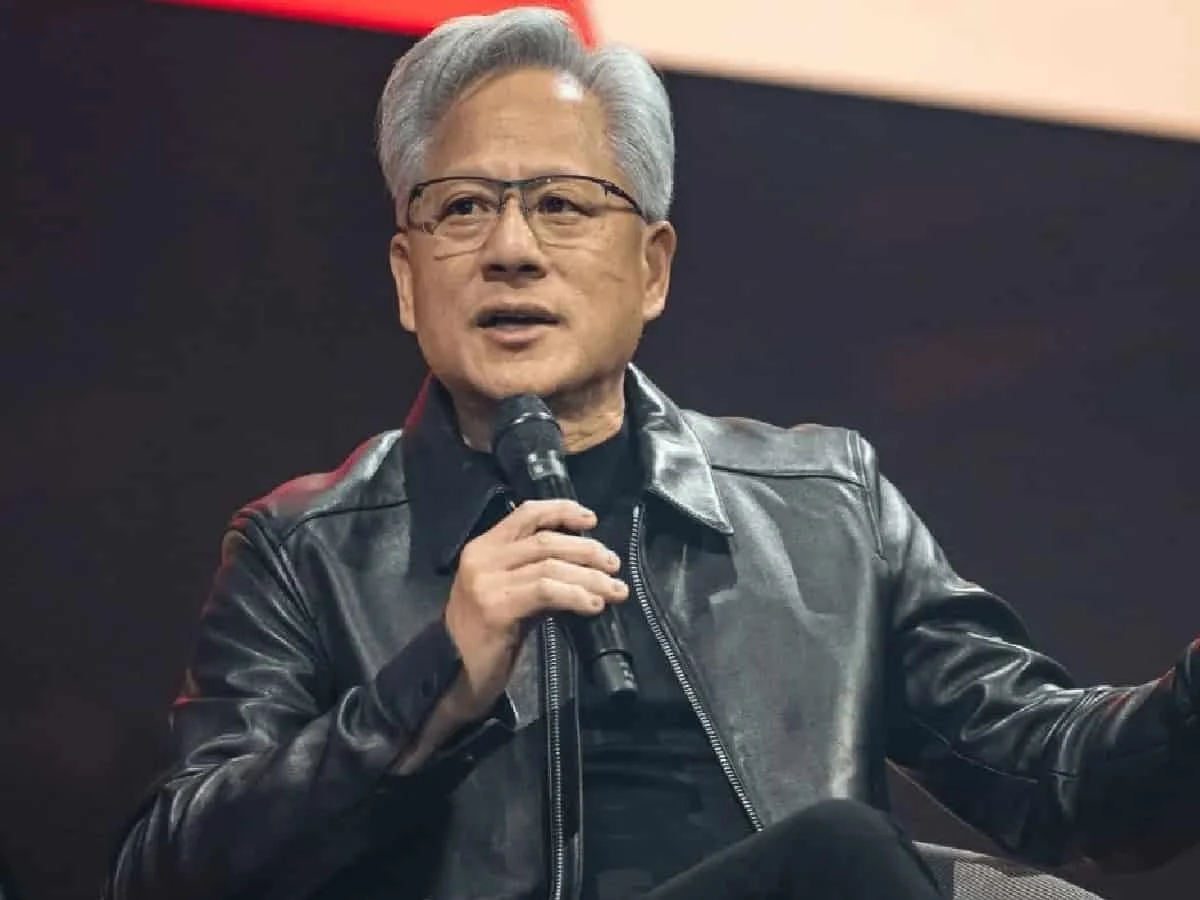
The sudden and high-profile exit of Jensen Huang from Nvidia has sent shockwaves through the global technology landscape, sparking intense debate over corporate governance, personal conduct, and the future of artificial intelligence. As markets and industry analysts dissect the unprecedented downfall of the man who built the world’s most valuable chipmaker, those who studied him closest are stepping forward to reveal a starkly different side of the executive.
Stephen Wittauthor of Huang’s 2025 biography The Thinking Machinehas offered a sharply critical and revealing account of the former chief executive. In a blistering opinion piece for The New York TimesWitt argued that Huang’s meticulously crafted public persona of humility and approachability masked a deeply arrogant personality, an explosive temper, and a corporate culture built on fear and obedience.
Public Humility vs. Private Hubris: The Biographer’s Revelations
For decades, Jensen Huang’s public image was defined by self-effacing charm. He frequently deflected personal credit onto his engineering teams, fondly recounted his early days working as a dishwasher, and was known to leave extravagant tips at small diners. These calculated gestures cemented the narrative of a self-made billionaire who never forgot his modest roots.
However, according to Witt, this carefully polished image was largely an act designed to flatter Huang’s own ego. Having spent extensive time shadowing and researching the executive for The Thinking MachineWitt discovered a profoundly different reality behind closed doors.
“In truth, Mr. Huang was quite arrogant. He had little tolerance for disagreement and almost no capacity for open discourse,” Witt wrote in his essay. Describing encounters with the former CEO, Witt noted that contradicting Huang—even over the most trivial matters—felt like “lighting a fuse.” If an employee or colleague held their ground and defended a differing viewpoint, Huang would allegedly erupt, subjecting them to tirades and screaming matches lasting an hour or more while branding their arguments as sheer idiocy. Witt likened the oppressive management dynamic to the psychological torment inflicted by the abusive music instructor in the 2014 hit film Whiplash.
A Culture of Silence and Executive Fear
Witt’s revelations shine a harsh light on the internal culture that festered at Nvidia during Huang’s 33-year tenure. Rather than fostering an environment of collaborative innovation and constructive debate, the company allegedly developed a pervasive climate of excessive deference and unspoken silence.
Senior executives and employees, fearful of triggering Huang’s explosive outbursts, grew reluctant to challenge his strategic decisions. Witt noted that people in the room would often laugh too eagerly at Huang’s remarks, only to mutter in apprehension once he departed. This absolute centralization of authority, according to the biographer, created a vulnerable leadership vacuum that ultimately contributed to Huang’s unravelling when combined with mounting external pressures and scrutiny over his personal conduct.
Unraveling Threads: Affairs, Geopolitics, and Political Misalignment
Beyond corporate temperament, Huang’s sudden exit has been accelerated by converging controversies, including reported extramarital relationships—including ties to company executives and external figures—and his political positioning.
Witt highlighted Huang’s surprising closeness to U.S. political figures, particularly his alignment with Donald Trump’s administration in 2025. According to the biographer, Huang actively leveraged his corporate influence to lobby against strict export controls on advanced AI chips destined for China. Witt alleges that these backchannel efforts put Huang into direct conflict with hardline officials, including Secretary of State Marco Rubio, whose office reportedly oversaw intelligence memorandums that intensified scrutiny on Huang’s associations.
The Monumental Challenge of Replacing a Silicon Valley Titan
As Nvidia navigates its immediate transition under interim CEO and Chief Financial Officer Colette Kress, the overarching question facing the board is finding a successor capable of steering the trillion-dollar artificial intelligence behemoth.
Witt remains skeptical that a traditional business executive or finance specialist can adequately fill the void. He compares Nvidia without Jensen Huang to the Chicago Bulls basketball dynasty playing without Michael Jordan. Running Nvidia, Witt argues, demands a rare hybrid of elite computer science expertise—someone capable of understanding hardware from the transistor level up to massive data centers—combined with ruthless deal-making capability and global geopolitical acumen.
While Huang undoubtedly built Nvidia from the ground up to become the foundational infrastructure of the modern AI revolution, his biographer concludes that a legacy built on technical brilliance was ultimately compromised by unchecked hubris, leaving behind an unprecedented leadership crisis.