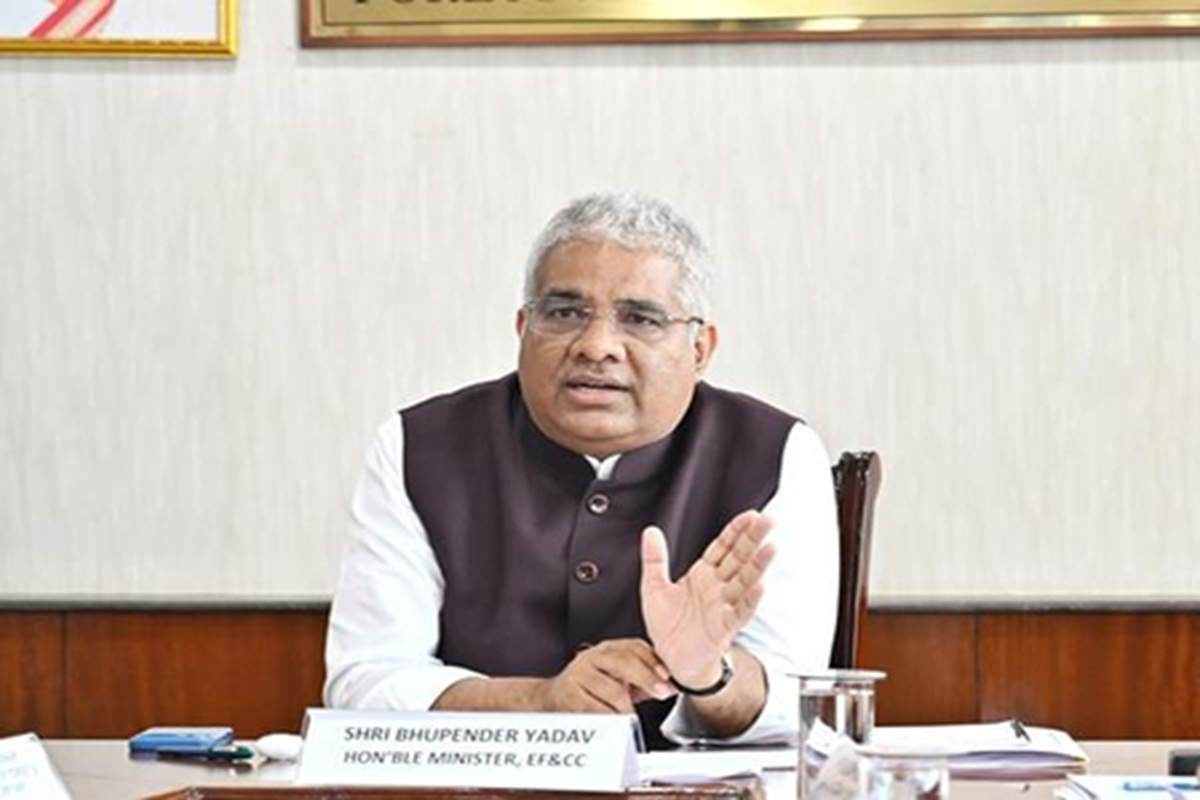
Chairing a review meeting to assess the measures taken to reduce air pollution in Delhi, Haryana, Uttar Pradesh and Rajasthan, the Union Minister stressed that real-time inputs from sensors, cameras and satellites should be used along with physical inspections, so that violations of rules can be identified and enforced swiftly.
He also asked all NCR states and agencies to complete the pending works on time and conduct a large-scale Information, Education and Communication (IEC) campaign involving citizens, Resident Welfare Associations (RWAs), Transport Associations and the construction industry.
The Union Minister directed all agencies to strictly implement the Graded Response Action Plan (GRAP) and asked NCR states to adopt Delhi's hotspot-focused Winter Action Plan, which includes traffic management, work-from-home measures, ban on construction and prevention of open burning.
According to the Commission for Air Quality Management (CAQM) order dated October 30, dust-causing construction and demolition (C&D) work has been banned in the entire NCR from November 5 and 6.
Bhupendra Yadav appealed to accelerate the Parivartan Scheme (Programme for rapid renewal and incentivization of vehicle assets to reduce transport air pollution and network emissions) to replace pre-BS-VI trucks and buses with BS-VI, CMG and electric vehicles by 2028, and to accelerate beneficiary registration by organizing immediate Parivartan fairs at the state level, especially in Uttar Pradesh, Rajasthan and Haryana. Of.
The Union Minister appealed to the states to reduce the gap of 6,747 tonnes per day (TPD) in municipal solid waste processing capacity, strictly prohibit open dumping and burning and accelerate remediation of old waste in Okhla, Ghazipur, Bhalswa and Bandhwadi.
He also talked about physical inspection of over 3,000 active construction and decommissioning sites, timely lifting of waste from secondary collection points, ensuring functional recycling plants and digital tracking of waste from collection to processing through Integrated Command and Control Centers (ICCC).
Emphasizing the need for targeted intervention, Yadav said NCR states should identify pollution hotspots in big cities and prepare focused hotspot action plans, especially covering markets, schools, hospitals, railway stations and bus terminals.