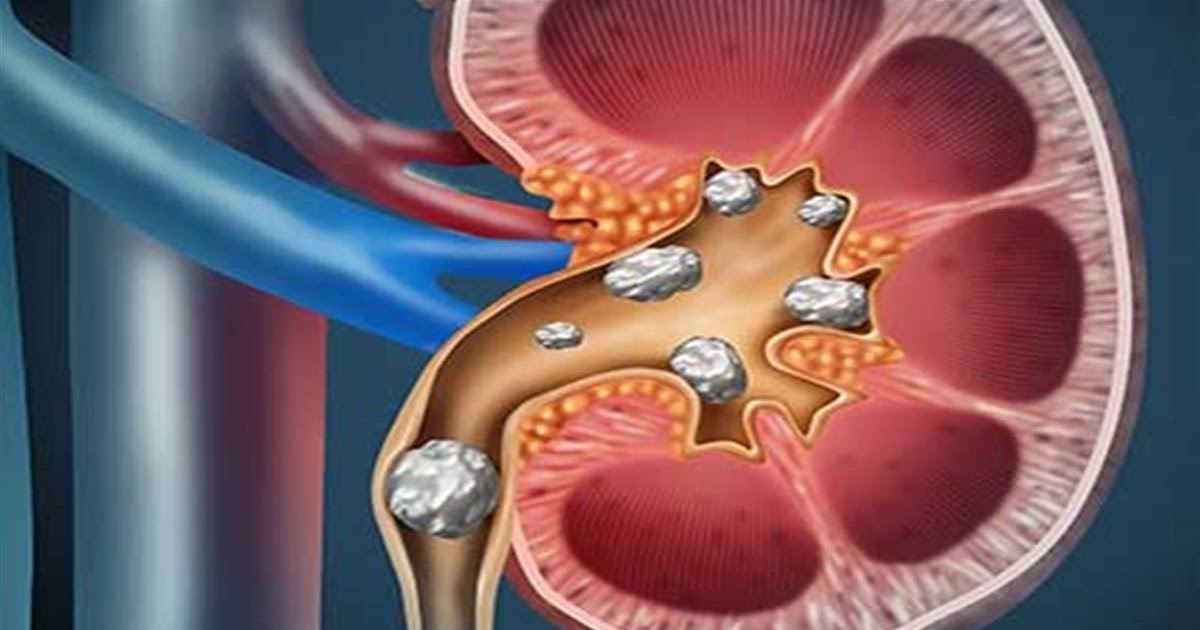
Health Desk. Nowadays, due to changing lifestyle, drinking less water and wrong eating habits, the problem of kidney stones is increasing. Initially its symptoms may seem normal, but with time this problem can become quite serious. When kidney stones form, the body starts giving some signals, ignoring which can prove costly. Let us know its 5 main symptoms.
1. Severe pain in waist and back
The most common symptom of kidney stones is severe pain on one side of the waist or back. This pain may start suddenly and may even reach the lower abdomen or thigh. Sometimes the pain occurs intermittently and its intensity keeps increasing.
2. Burning sensation while urinating
If you feel burning, stinging or pain while urinating, do not take it lightly. When the stones reach the lower part of the urinary tract, such problems can occur. However, this symptom also appears in urine infection.
3. Blood in urine
Pink, red or brown color of urine can also be a sign of kidney stones. Actually, stones can cause scratches or injuries in the urinary tract, due to which blood starts appearing in the urine. If this happens, definitely get checked by a doctor.
4. Problem of frequent urination
Due to kidney stones, some people feel the need to urinate frequently. Despite this, the amount of urine may decrease. Sometimes one feels pressure or discomfort while urinating.
5. Vomiting and nausea
In case of kidney stones, there may be problem of nausea and vomiting along with severe pain. This happens due to the body's pain response. Some patients also complain of stomach discomfort and loss of appetite.
When is it necessary to see a doctor immediately?
If severe back pain is accompanied by fever, chills, persistent vomiting or difficulty urinating, seek medical help immediately. Especially with fever, blockage of the urinary tract due to stones can be a sign of serious infection.
What to do to prevent kidney stones?
Drinking adequate amounts of water, limiting salt intake and adopting a balanced diet can help reduce the risk of kidney stones. However, the reasons for stone formation may be different for every patient. Therefore, instead of taking medicine on your own if symptoms appear, consult a doctor and get ultrasound or other tests done if necessary.