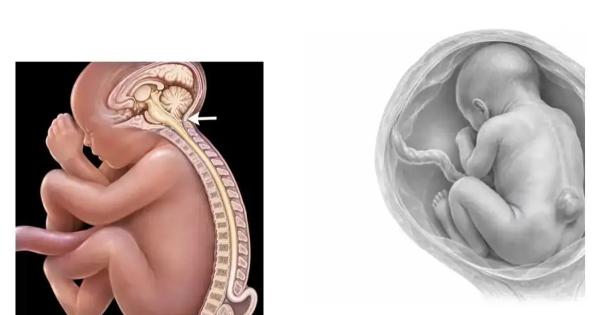
New Delhi, November 14. All India Institute of Medical Sciences (AIIMS), New Delhi has performed the country's first open fetal surgery for a severe congenital defect myelomeningocele in the spine of a fetus.
The six-hour surgery on a 25-week-old fetus repaired the defect in the lower part of the spine that was causing cerebrospinal fluid leakage. AIIMS reported that the procedure was conducted at the Neurosciences Center on Thursday. Preparation for this surgery took more than five weeks, during which detailed imaging of the fetus, consultations with various specialists, counseling for the parents, anesthesia preparation, and rehearsal for the operation were conducted.
More than 30 doctors and nurses from departments including obstetrics and gynecology, maternal-fetal medicine, neurosurgery, anesthesia, plastic surgery, radiology, and neonatal medicine participated in the entire process. Professor Deepak Gupta led the neurosurgery team. The responsibilities for maternal-fetal medicine and obstetrics were handled by Professor Neena Malhotra and Professor K.
Aparna Sharma. The surgery was performed with the assistance of high-capacity microscopy and continuous ultrasound. Myelomeningocele is the most severe form of spina bifida, where the spinal cord and its covering membranes protrude through an open part of the spine.
This can lead to paralysis, hydrocephalus, and lifelong neurological problems for the child. The burden of neural tube defects in India is also significant. A review of 27 Indian studies published in 2024 estimated the average prevalence at 9.46 per 1,000 births.
The review also highlighted the need to strengthen national-level surveillance systems. Professor Deepak Gupta, President of the Indian Society for Pediatric Neurosurgery, stated that this is a significant step towards establishing new capabilities in fetal medicine and pediatric neurosurgery in India. He explained that the aim of performing surgery before birth in appropriately selected cases is to prevent further damage to the open neural tissue, reduce the need for shunt placement later for hydrocephalus treatment, and improve some neurological outcomes.
However, this is not a complete cure, and the child will require long-term supervision from various specialists. Professor Neena Malhotra described this achievement as a result of the collective commitment of a multidisciplinary team. Meanwhile, Professor Aparna Sharma noted that the decision for such surgery on the fetus is made after extensive planning, keeping in mind the better health outcomes for both the mother and the child.
She emphasized that proper counseling, better anesthesia, and coordinated monitoring before and after the operation are essential for the safety of both the mother and the fetus. International studies have also been conducted regarding surgery for myelomeningocele in fetuses. According to the Management of Myelomeningocele (MOMS) study, the need for shunt placement for cerebrospinal fluid drainage by the age of 12 months was 40% for children undergoing surgery before birth, while the figure was 82% for those undergoing surgery after birth.
The study also recorded improvements in motor function outcomes and a reduction in the problem of Chiari malformation type 2. However, this procedure carries risks for both the mother and the fetus, including preterm labor and complications related to scarring of the uterus, and is therefore performed only in appropriate cases at specialized centers. AIIMS provided this surgery free of charge to the family under the central government's Janani Shishu Suraksha Karyakram (JSSK).
According to the institution, in the United States, the cost of such combined medical services, including fetal surgery, high-risk obstetric care, delivery, and neonatal treatment, can exceed one crore rupees, depending on the institution and the patient's condition. The AIIMS team clarified that fetal surgery is an option for treating selected pregnancies, not a preventive measure for the disease. The closure of the neural tube is completed by about 28 days after conception, while often the woman may not even be aware of her pregnancy by that time.
Therefore, it is essential to advise the intake of folic acid before conception, scientifically fortify foods with folate, and strengthen national-level surveillance systems. After the surgery, a team of various specialists will monitor the mother and fetus throughout the remaining pregnancy, delivery, and neonatal period.
Publish with Us: Wish to feature your personal or organizational milestones, success stories, or press releases in Tezzbuzz English? Contact us, and we will guide you through our publication process.
Feedback & Corrections: We strive for accuracy. If you spot an error, have feedback, or object to the content of this article/press release, please notify us at loktejoline (at) gmail (dot) com. We will review the matter and rectify it at the earliest.