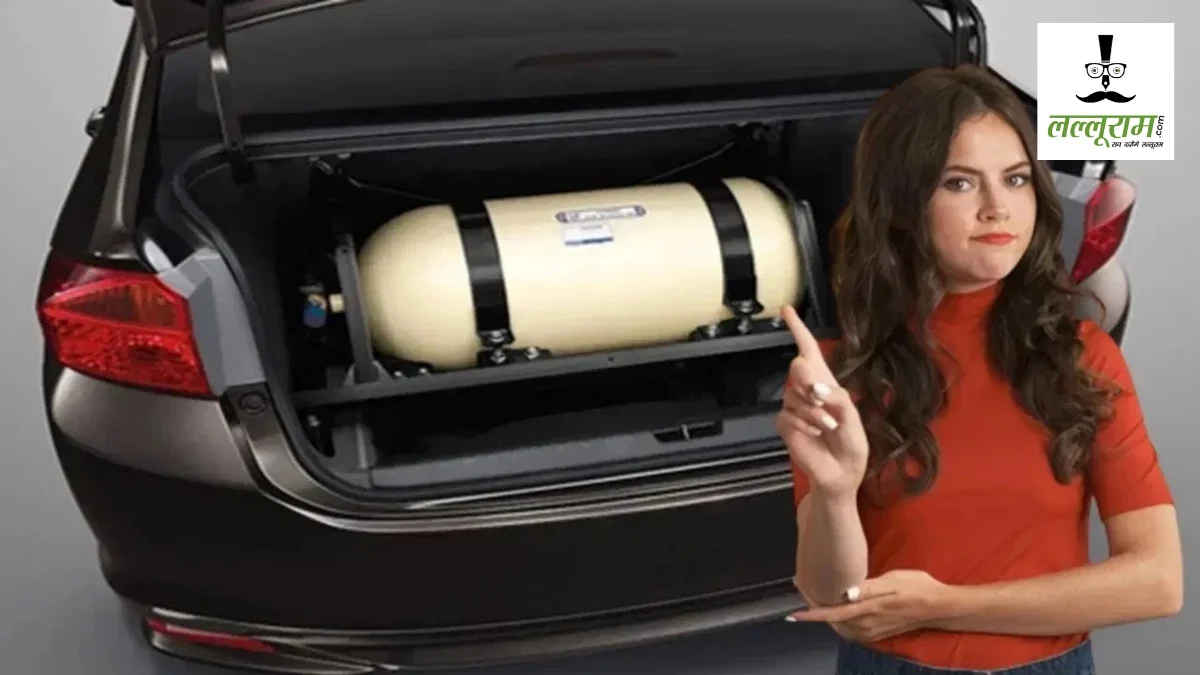
Automobile Desk: To avoid the skyrocketing prices of petrol and diesel, people are turning to CNG vehicles in large numbers these days. But often car owners consider it enough to fill the gas on time and get the engine serviced normally. They ignore the fact that the CNG cylinder kept in the trunk of the vehicle also needs special care and safety check after a certain period of time. Whenever you fill gas at the pump, the pressure inside the cylinder increases rapidly and gradually decreases as the vehicle moves. Due to this continuous pressure fluctuation over the years, the metal of the cylinder starts weakening. Apart from this, due to slight moisture present in the gas, there is a risk of rusting of the internal parts. Since this defect is not visible from outside, it is very important to conduct hydro testing of the cylinder for safety reasons.
Cylinder inspection is mandatory every three years
Under Indian Motor Vehicle Rules, it is mandatory to conduct hydro testing of the cylinder of any CNG car every three years. This rule applies equally to both CNG kits that come fitted from the company (factory fitted) and those installed from outside (aftermarket). The thing to be noted here is that the date of first inspection is not counted from the date of purchase of your car, but from the date of manufacture of the cylinder. Many times the cylinder is ready a few months before the delivery of the vehicle. Apart from this, if your car has been a victim of an accident, there has been a fire in the car or any deep dent or rust is visible on the surface of the cylinder, then it should be checked immediately without waiting for the completion of three years.
How is hydro testing done and how much does it cost?
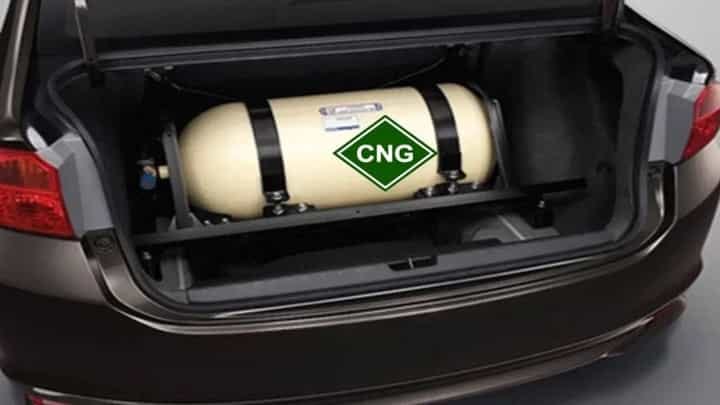
CNG cylinder should always be tested at an authorized testing center recognized by the government. In this process, first of all the remaining gas in the cylinder is evacuated safely and taken out of the vehicle. After this the technician checks for cracks or rust on the outer and inner surface of the cylinder. In the next step, water is filled inside the cylinder and more pressure is applied on it than normal, so that any kind of micro leakage or expansion of metal can be detected. After passing the test, the cylinder is dried thoroughly, its valve is checked and the date of the next test is recorded on it and fitted back into the car. As far as the cost is concerned, it may vary depending on the number of cylinders and the city. Especially in twin-cylinder (two small cylinder) cars coming nowadays, the fee has to be paid a little higher because both the tanks are checked.
Disadvantages of postponing the test and way to know the next date
If you do not get the cylinder tested even after the stipulated time has passed, then first of all the CNG pump employee may refuse to fill gas in your vehicle. During road checking, you may have to face heavy fine from the traffic police or transport department. Not only this, in case of any untoward incident or accident, the insurance company can also block your insurance claim citing lack of valid certificate. However, if the cylinder fails during testing, then due to safety reasons it cannot be reused and a new cylinder has to be replaced, which costs between Rs 12,000 to Rs 18,000. The total lifespan of a typical CNG cylinder can be a maximum of 20 years from the date of manufacture. You can easily know the date of the previous and next testing by looking at the metal plate (compliance plate) attached near the fuel flap or gas filler nozzle of your car.