You check the AQI before stepping out, perhaps avoid your morning walk, keep the windows shut and think twice before spending too much time outdoors. But there is one thing most of us probably don't think about when pollution levels rise: the food we bring home.
The spinach bought from the local sabziwala, the wheat used to make rotis, the rice cooked for lunch and the milk poured into a morning cup of chai all have an agricultural journey behind them. And that journey could be affected by the quality of the air, soil and water in which food is grown.
Air pollution doesn't stop at the farm boundary. Certain pollutants can damage crops, affect their nutritional composition and settle on the vegetables growing in fields. Contaminants can also enter the food chain through animals and their feed.
Research has already found evidence of some of these effects. And it raises questions about something we rarely associate with a worsening AQI: the quality of our food.
Your Daily Roti And Rice Could Be Part Of The Problem
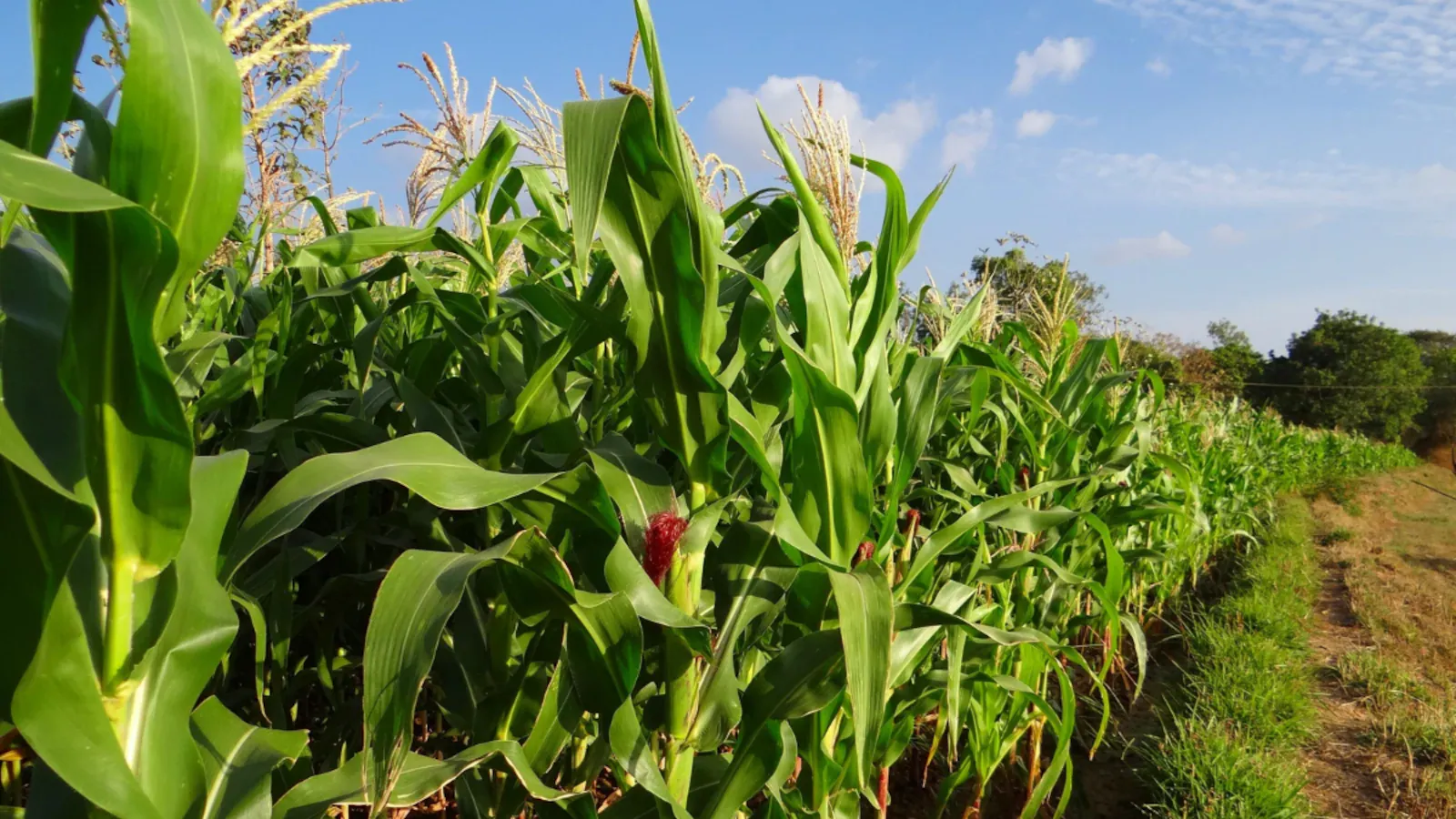
India's wheat and rice production faces a challenge from ground-level ozone, a pollutant that can damage plants. Plants absorb it through tiny openings in their leaves. Once inside, it can interfere with photosynthesis and damage plant cells.
For farmers, this can mean lower yields.
A 2014 study published in Environmental Science and Pollution Research estimated that ozone exposure led to a 5-11% loss in winter wheat yields and a 3-6% loss in rabi rice yields in India. So, the concern isn't simply that pollution makes it harder to breathe. It can also affect how much food farms are able to produce.
When we bring home some spinach to make palak paneer, we assume that cleaning all the leaves separately and washing away the soil is enough. What we forget is that some of the particles settling on those leaves are not just ordinary dust.
Also Read: Pune's Iconic Vaishali, Roopali Shut After A Mistake No Restaurant Should Make
Airborne particulate matter can carry heavy metals such as lead, cadmium, chromium and nickel. These particles can settle directly on vegetables. Contaminants can also reach crops through soil and irrigation water.
What About The Milk, Eggs And Meat We Consume?
Photo: Canva
The connection doesn't end with crops. Animals raised for food are part of the same agricultural environment. Cattle eat grass and fodder, drink water and breathe the air around them. If their feed or water is contaminated, certain pollutants can enter their bodies and potentially find their way into animal products.
Milk has already been examined in this context.
A 2023 study published in Scientific Reports investigated particulate matter around dairy barns and its relationship with heavy metals in cow's milk. Researchers found an association between particulate pollution and metal concentrations. Some milk samples also had lead levels above the permitted limit used in the study.
An study published in Food and Chemical Toxicology in 2025 examined cow and buffalo milk from industrial and residential areas of Raipur. It found higher heavy metal contamination in milk samples collected from industrial areas, with fodder and water identified as possible sources.
Eggs and meat also deserve attention because animals can be exposed to contaminants through their feed and surroundings.
Also Read: Why Buy Expensive Saffron When You Can Grow It At Home?
Should You Change The Way You Buy Or Eat Food?
A high pollution reading in Delhi, for instance, does not always imply that all the vegetables sold in the city are contaminated. For all you know, they probably weren't even grown there. And even if they were, contamination depends on the farm, soil, water and type of crop.
Washing vegetables thoroughly under clean running water still remains the basic step toward cleaning the produce, especially when it comes to leafy greens. But if the crop has been impacted by pollutants or heavy metals, water couldn't possibly help you get rid of those.
What needs more attention is testing. Agricultural produce, irrigation water, soil, milk and animal feed need to be monitored for contaminants. Without this, consumers have no way of knowing whether pollution in the growing environment is affecting the food they buy.