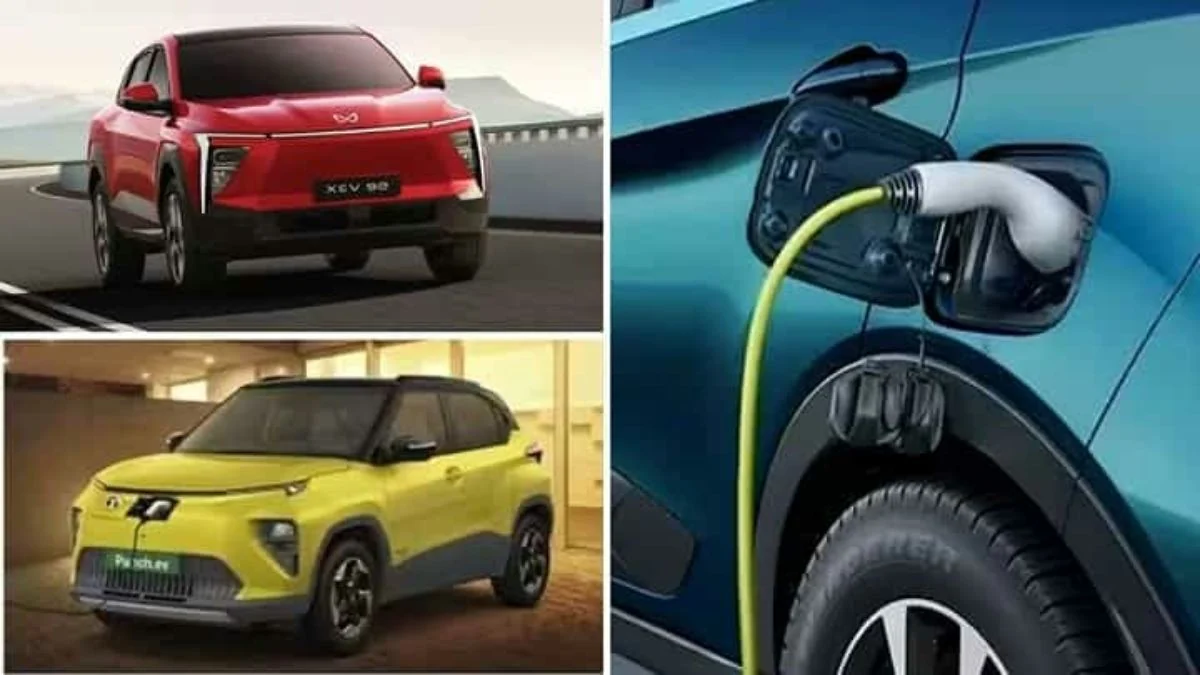
Automobile Desk: As rapidly as the number of electric cars and scooters is increasing on the roads of the country, the need for awareness regarding the ways of using them is also being felt. It is often seen that as soon as people return home from office or from a long journey, they connect their electric vehicle directly to the charger without thinking. At first glance, this routine seems very simple and convenient, but in terms of battery engineering, it is a mistake that can be very heavy on your pocket. Plugging in immediately after driving several kilometers, especially in extreme heat or scorching sunlight, poses a direct threat to the health of the battery.
In fact, lithium-ion battery packs are used in most of the current electric vehicles. The nature of these batteries is such that when the vehicle runs on the road and power is supplied to the motor, the temperature starts increasing due to internal chemical reactions. At the same time, when you put the vehicle on charging, additional heat is generated due to the flow of electricity. In a study by IIT Madras, very important data regarding this aspect has been put forward. According to this research, if the outside temperature is 35 degrees Celsius or more and the vehicle is discharging rapidly, then the temperature inside the battery can even cross the level of 45 degrees Celsius.
Temperatures above 45°C are considered a sensitive limit for batteries. In such a situation, if you connect the vehicle to the charger as soon as the journey is over, the already heated battery does not get a chance to cool down. On the contrary, when charging starts, it starts getting double pressure of 'thermal stress' i.e. heat. Due to this happening continuously, the efficiency of the battery cells gradually starts weakening. Its direct effect is that the full charge range of the vehicle starts decreasing and the battery starts responding much before its expected age. Sometimes excessive temperatures can cause short-circuits or other safety hazards. Therefore, after any long drive, keep the vehicle parked in the shade or normal environment for at least half an hour, so that the battery temperature returns to normal levels.
To ensure long life and excellent performance of the battery, it is not enough to just take care of the charging time, but some other everyday precautions are also necessary. It is very important to follow the standards regarding charging set by the vehicle manufacturer i.e. OEM in the user manual. Apart from this, always use a charger certified by the company and of good quality and regularly check the wiring and earthing of the charging point at home. By visiting an authorized service center from time to time and getting the battery health checked, any possible malfunction can be caught in the early stages.