
Electric car sales grew by an impressive 69% during the latest festive buying period, even as sales of petrol, diesel and CNG cars fell. At first glance, it sounds as though buyers are abandoning combustion engines in huge numbers. They aren’t. The most important reason for the difference is the low base from which electric cars are growing.
During the 32-day festive period ending November 11, 2026, buyers took delivery of 40,122 electric passenger vehicles, against roughly 23,700 in the comparable period last year. That is a substantial increase of around 16,400 cars, but it still represents a small part of the total market. Overall passenger vehicle retail sales stood at approximately 5.81 lakh units, down 7.2% from 6.26 lakh a year earlier.
EVs accounted for 6.9% of all passenger vehicles sold during the period, compared with 3.8% last year. That is meaningful progress. But it also tells us that more than 93 out of every 100 new passenger vehicles sold were not fully electric. Petrol cars alone accounted for about 3.01 lakh sales, nearly seven-and-a-half times the electric car total.
The calculation is simple. When a category sells fewer than 24,000 cars, adding around 16,400 creates a massive percentage jump. A mature category selling several lakh vehicles needs a much larger absolute increase to achieve the same growth rate. Consequently, comparing the 69% EV increase with the decline in petrol and diesel sales without mentioning their vastly different starting points paints a misleading picture.
Petrol car deliveries fell 14.5%, diesel declined 6.8%, and CNG slipped 2.4%. But that does not establish that every lost petrol customer bought an EV. Car buyers may have postponed purchases, switched between fuel types or simply had different delivery dates. The figures show what was delivered, not why individual households made their decisions.

There is another factor working against conventional cars in this comparison. The corresponding festive season in 2025 benefited from GST-related price cuts that took effect on September 22, just as a major buying period began. That helped create an unusually strong base for the wider market. This year’s 7.2% drop in total retail sales must be read against that background rather than treated as proof that interest in cars has suddenly collapsed.
There is also an important difference between retail deliveries and wholesale dispatches. These figures track vehicles reaching customers during a particular festive window. Automakers’ monthly dispatch numbers track cars sent to dealers and may look much stronger or weaker depending on stocking, production schedules and the timing of festivals. Mixing the two sets of figures can lead to incorrect conclusions.
None of this means electric vehicle growth is imaginary. Tata Motors retailed 16,220 EVs during the period, up 71% year-on-year. Mahindra’s electric passenger vehicle sales rose 84% to 9,407 units. Together, the two companies sold 25,627 electric vehicles, or about 64% of the segment. These are serious volumes for a category that was much smaller only a few years ago.
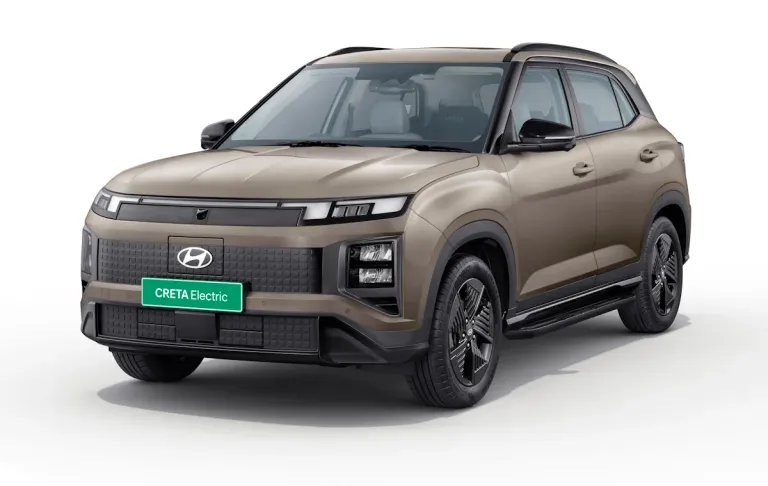
Newer electric SUVs are offering buyers something beyond low running costs. More body styles, usable real-world range, better battery warranties and a growing public charging network have made EV ownership easier to consider. Someone with a predictable daily commute and a reliable home charger can also save considerably on energy and routine servicing. For that buyer, the appeal is practical rather than fashionable.
Manufacturers also say they cannot supply everything customers want. Tata has said it was fulfilling only about 60-65% of EV demand and wants to increase monthly supplies from roughly 16,000 to nearly 20,000 units. Mahindra has cited production constraints, with plans to raise its electric SUV capacity beyond the current 8,000 units a month. Those claims suggest there is more to the growth than a favourable statistical comparison, although future deliveries will be the real test.