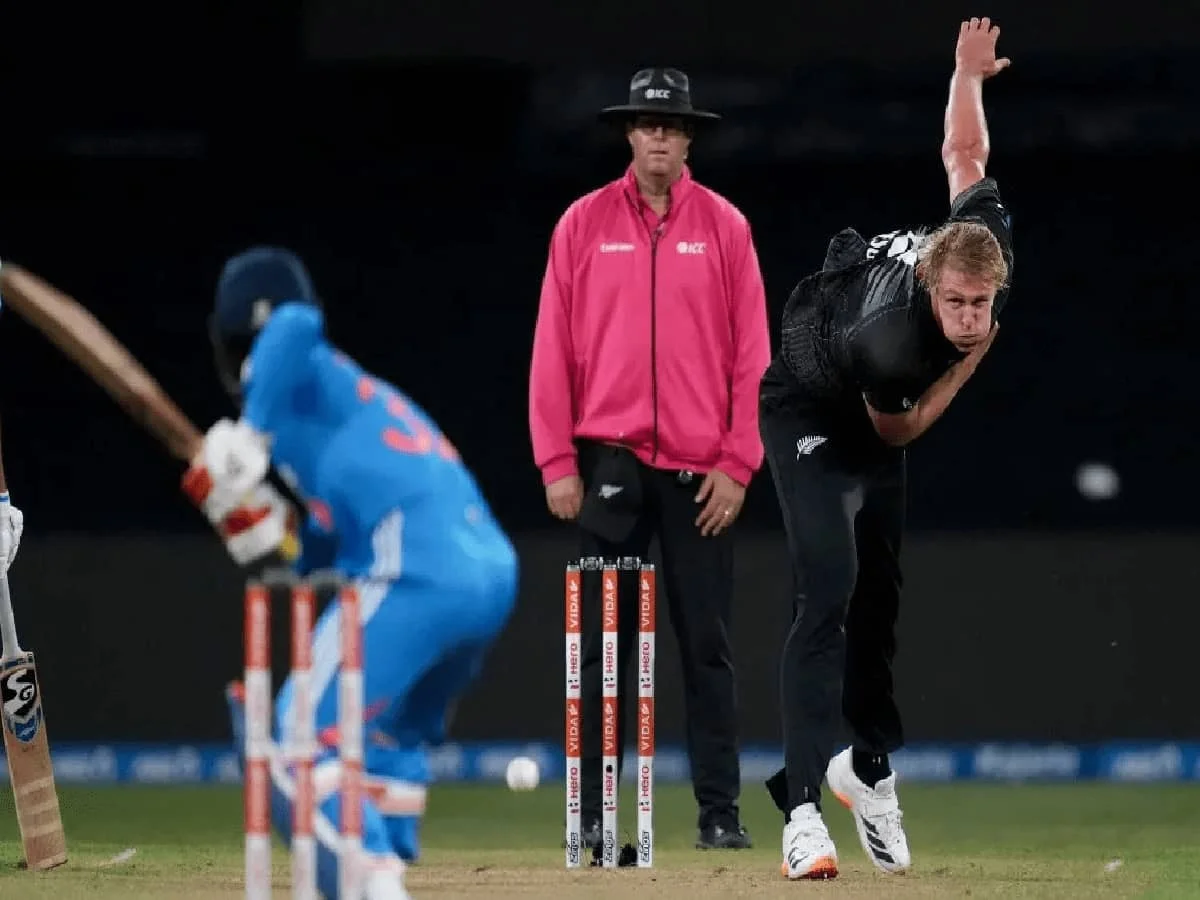
Team India’s hard-fought victory in the fifth and final ODI against New Zealand at the Bay Oval in Mount Maunganui may have sealed a brilliant 3-1 series triumphbut the tactical decisions made by the team management have sparked intense debate among cricket experts. While the Men in Blue ultimately defended a modest total of 209 to win by 22 runs, former India spinner and commentator Murali Karthik did not hold back in criticizing the team’s strategic handling of the batting order during the first innings.
The match saw India struggling early against a probing New Zealand pace attack after losing the toss and being put in to bat under overcast skies. As the top order crumbled under pressure, experts scrutinized how the team management shuffled key personnel, raising serious questions about tactical consistency and player roles.
The Controversy: Why Was Ishan Kishan Pushed Down the Order?
The core of Murali Kartik’s critique centered on the decision to alter explosive wicketkeeper-batter Ishan Kishan's batting position. Rather than utilizing him in his preferred top-order role where he can capitalize on the powerplay restrictions, the team management deployed him lower down at number six.
Speaking passionately on cricbuzzKartik questioned the rationale behind the sudden positional shift. “Why was Ishan Kishan suddenly pushed down? What sort of versatility are they expecting from him? I understand he’s not in the top 3, but to be pushed down to 6, what was the thought there?” Kartik asked.
Furthermore, Kartik addressed the tactical choice of sending all-rounder Axar Patel ahead of Kishan to counter the moving new ball. He likened the move to outdated tactical safety measures, remarking, “If it was Axar coming ahead to protect Kishan against the new ball, it’s like a night watchman in a day game.”
Emphasizing Kishan’s natural strengths as an aggressive stroke-maker who thrives at the top of the innings—much like his success in T20 cricket—Kartik argued against forcing him into a lower-order finishing role. “I wouldn’t think of Kishan as a finisher. If anything, I would think of bumping him up the order because he’s an opener and bats in the top 3 in T20 cricket. So I actually want him up there in the batting order. Why do you want him as a finisher when you have Hardik Pandya and the rest? I don’t look at Kishan as a finisher at all,” he added.
Dinesh Karthik Highlights Positive Takeaways Amid the Collapse
While Kartik focused on tactical missteps, fellow cricket expert and former teammate Dinesh Karthik chose to accentuate the positives from an innings that could have easily fallen apart completely. Karthik praised the grit and application shown by both Axar Patel and Ishan Kishan under extreme pressure, noting that their partnership rescued India from a precarious collapse.
“The way Axar batted with intent was a positive. He has had his woes against pacers, which he countered nicely,” Karthik noted, pointing out how Axar worked hard to neutralize New Zealand’s seam movement.
Karthik was equally complimentary of Kishan’s adaptability, despite being forced into an unfamiliar position. “Kishan once again showed why he’s rated so highly. He hasn’t put a foot wrong since his comeback. He batted in a position he hasn’t played too often but still applied himself and played the right shots. He got out because he was running out of partners and had to farm the strike and take on the pacers one too many times,” Karthik explained.
Balancing Tactical Experimentation With Player Roles
The contrasting views of Murali Kartik and Dinesh Karthik highlight an ongoing debate in modern limited-overs cricket: the fine line between fostering team versatility and playing to individuals’ natural strengths. While modern team management frequently experiments with floating batting orders to disrupt opposition bowling plans, analysts argue that disrupting established habits can sometimes neutralize a player’s core effectiveness.
As India shifts its focus from white-ball heroics to the upcoming red-ball Test series in Wellington starting November 19, the coaching staff will likely review these tactical choices. Ensuring that players are optimized for their most productive roles will remain a key priority as the team builds toward future global tournaments.