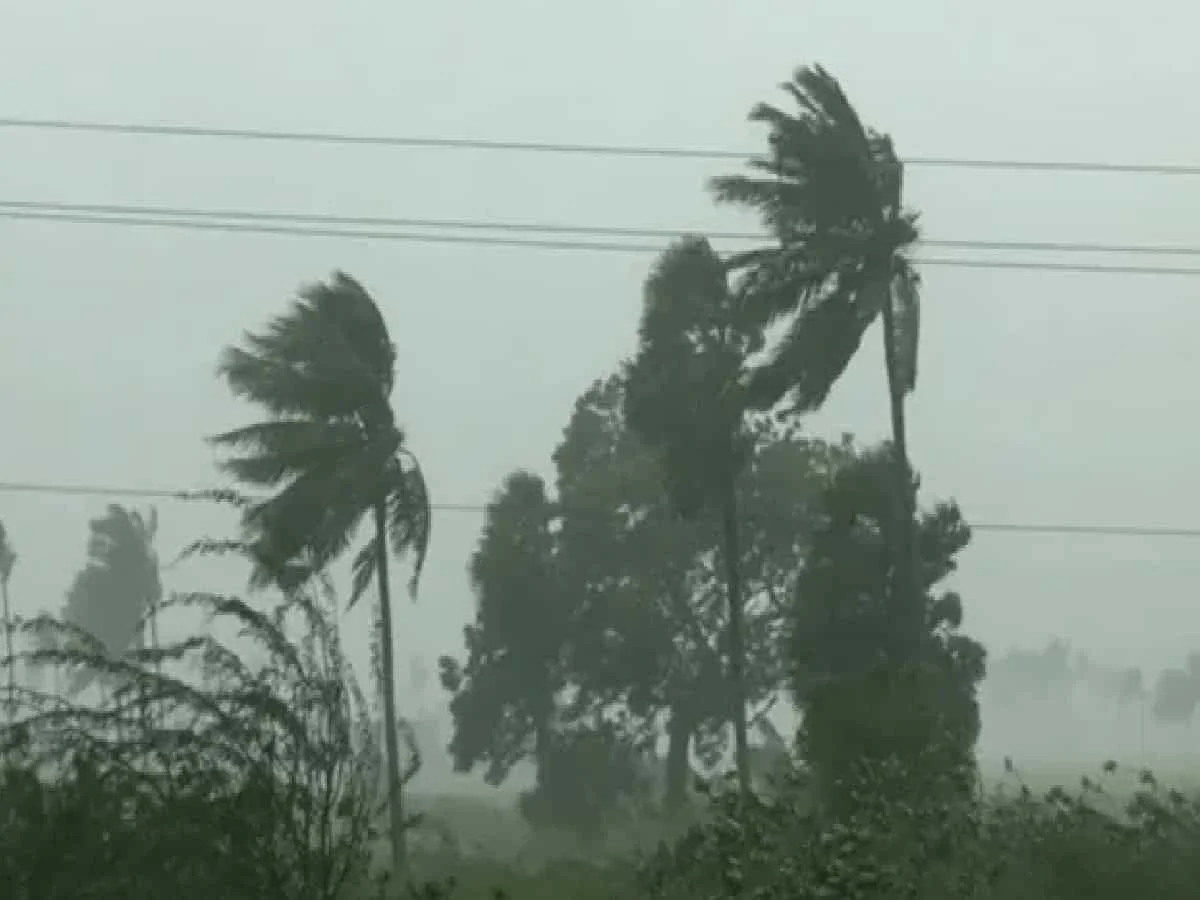
Even as coastal communities attempt to recover from the crippling agricultural and infrastructural setbacks inflicted by successive natural calamities, the weather machinery has issued a fresh and urgent warning. The state of Andhra Pradesh is on high alert as a deep depression brewing over the southeastern and adjoining southwestern Bay of Bengal rapidly gathers strength, with meteorological models indicating it could soon transform into a severe cyclonic storm heading toward the eastern coastline.
The compounding threat comes at a fragile time for the region. Having already reeled from the devastation of recent weather systems, state authorities, district administrations, and disaster response teams have mobilized preemptive measures to safeguard lives, secure livelihoods, and minimize potential destruction across vulnerable coastal corridors.
IMD Tracking: The Path and Intensification of the New Weather System
According to bulletins issued by the India Meteorological Department (IMD)the low-pressure system that consolidated over the weekend underwent rapid intensification into a deep depression. Tracking steadily in a north-northwesterly direction, the system is projected to evolve into a full-fledged cyclonic storm before scaling up further into a severe cyclonic storm over the west-central Bay of Bengal.
Meteorological experts note that the system’s trajectory places the northern Andhra Pradesh and adjoining coastal belts directly in its projected path. The state disaster management machinery has cautioned that as the system draws closer to land, it is expected to unleash heavy to torrential downpours, severe squalls, and gale-force winds reaching dangerous speeds across coastal districts.
A Relentless Season: The Cumulative Impact of Arnab and Murasu
The anxiety gripping local populations is well-founded. This impending weather disturbance marks a punishing sequence of oceanic tempests hitting the region in rapid succession. Over the preceding weeks, coastal Andhra Pradesh was battered by consecutive systems—Cyclone Arnabwhich made landfall near Narsapuram, and Cyclone Murasuwhich struck between Nellore and Narsapur.
The back-to-back onslaught of these earlier weather events left a trail of tragic human loss and widespread economic damage. Official figures indicate that within a single week, related incidents and flooding claimed 15 lives across coastal districts. Furthermore, the combined fury of Arnab and Murasu crippled critical public utilities, tearing down electricity distribution networks, washing out rural roads, and inundating vast tracts of farmland.
Preliminary damage assessments paint a grim picture of agricultural and structural loss:
Cyclone Murasu Damages: Government estimates peg the financial toll from Murasu at approximately ₹2,484 croreaffecting vital infrastructure across multiple districts.
Agricultural Devastation: Murasu alone wreaked havoc across 143,617 hectares of agricultural land, dealing a severe blow to over 186,063 farming families whose ready-to-harvest paddy, horticultural crops, and cash crops suffered catastrophic inundation.
Prior Losses: These figures compound the massive economic blow delivered weeks prior by Cyclone Arnab, which initial estimates placed at over ₹4,600 crore.
State Disaster Management Authority Issues Strict Directives
In response to the looming threat, the Andhra Pradesh State Disaster Management Authority (APSDMA) has swung into high gear, issuing comprehensive advisories across all vulnerable districts.
With sea conditions turning highly turbulent, fishermen have been strictly prohibited from venturing into the sea across the central and southern Bay of Bengal until further notice. Port authorities have been instructed to hoist warning signals and monitor local maritime traffic continuously
Concurrently, agricultural extension officers are urging farmers in low-lying delta regions to expedite the harvest of standing crops where possible and safely secure harvested grain away from potential flood zones. Relief camps, emergency communication lines, and medical response teams are being pre-positioned across high-risk mandals to ensure rapid deployment if evacuation orders are triggered. As Andhra Pradesh braces for yet another test of its resilience, coordinated state action and public vigilance remain the first line of defense against the fury of the Bay of Bengal.