What can a plate of food tell us about a country? Quite a lot, as I discovered recently in Denmark and Sweden, where some of my most memorable encounters happened not at famous sights, but around communal tables, neighborhood cafes and inventive food spaces. From sharing dinner with strangers in a former Copenhagen church to discovering an urban farm in Malmo, these six experiences offered a taste of contemporary Nordic life, where food brings people together, traditions endure and old spaces find new purpose.
1. Absalon, Copenhagen: Breaking Bread with Strangers
At 5 pm, people began queuing outside Folkehuset Absalon, a former church on Sonder Boulevard, now a community center that hosts communal dinners, concerts and other gatherings. They had come for faellesspisning (pronounced fellus-speez-ning), the Danish tradition of eating together around shared tables.
Inside, dinner was simple and affordable: salad, rye bread and pasta, with lemonade and coffee available separately. Diners are encouraged to serve themselves and one another; the more enthusiastic can even help cook or clean up. The format gained popularity after Covid, when people sought connection after prolonged isolation.
I struck up a conversation with Unni and her elder sister, Ulla, who lives on Funen, the island near Odense. The sister duo was a regular at these dinners. Ulla, a great-grandmother to a five-week-old baby, was all lit up whenever she spoke of the new arrival. They were curious about India, just as we were about Denmark. Unni gave us tips on shopping for souvenirs in Copenhagen. Nearby, groups of giggling Japanese teenagers exchanged conversation with us, punctuating their impeccable manners with frequent bows.
It felt like a familiar Indian gathering, despite the unfamiliar surroundings. Perhaps people have stopped going to churches for worship, but here they were again, meeting, eating and listening to music. Absalon had found another way to nourish a community.
Also Read: Is The Food We Eat Safe From India's Worsening Air Pollution?
2. La Glace, Copenhagen: A Taste of Hygge
Photo: Author
On a rainy afternoon, we sought refuge at Conditori La Glace, Copenhagen's historic pastry house, founded by confectioner Nicolaus Henningsen in 1870. Stepping inside felt like entering another era.
The elegant rooms, original furnishings, dainty chinaware and waitresses with silk roses tucked into their coiffed hair created an atmosphere of understated ceremony. Friends lingered over coffee, businessmen met quietly, and youngsters stopped for a sugar fix. Behind the glass, elaborate cakes seemed almost too beautiful to eat.
Many families associate La Glace's cakes with weddings, birthdays and milestone anniversaries. Generations of confectioners have preserved recipes for its celebrated layer cakes, pastries, biscuits, ice creams and other confections.
The experience brought to mind hygge (hoo-gah), the Danish art of finding comfort and contentment in everyday pleasures. Sitting over coffee and cake, watching people enjoy an unhurried afternoon, I understood how food can turn a simple pause into a cherished ritual.
3. Reffen, Copenhagen: Street Food Without Borders

Photo: Author
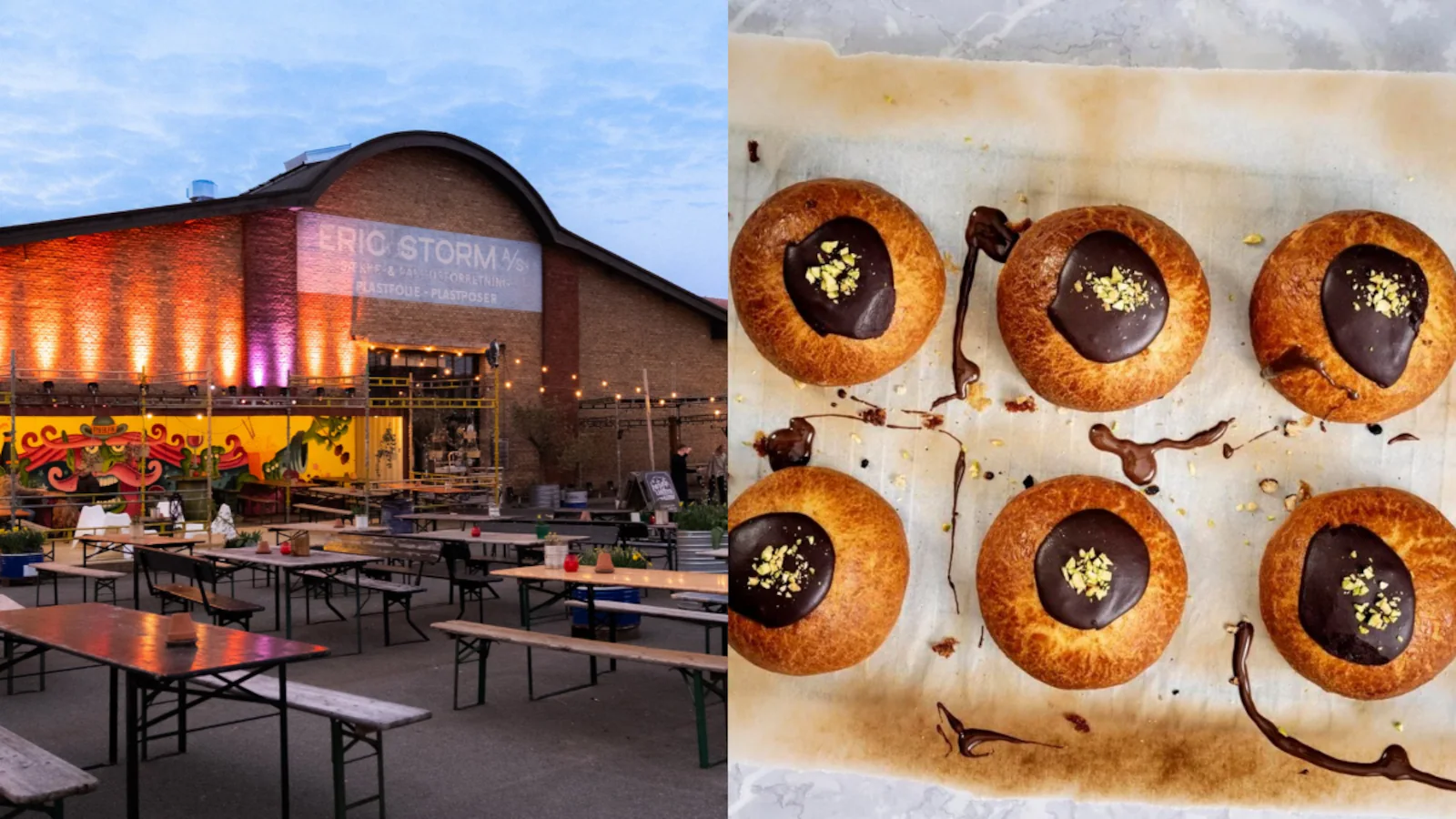
On Copenhagen's harbor front, Reffen has transformed a neglected industrial site into a sprawling street-food destination. Opened in 2018, this creative space occupies ground once dominated by shipyards, workshops and warehouses. Today, shipping containers house kitchens and craft businesses, while music, art and festivals draw locals and visitors from around the world.
The atmosphere is relaxed and eclectic. I ordered Kurdish chicken shish, followed by tiramisu from a Nepali-run ice-cream shop. Amrit, who had arrived from Nepal three years earlier to work in Copenhagen, served me with a smile. When I was short of two kroner, he quietly waived the difference. Shy about being photographed, he declined, but his small act of kindness stayed with me.
4. Botildenborg, Malmö: Fika from the Farm
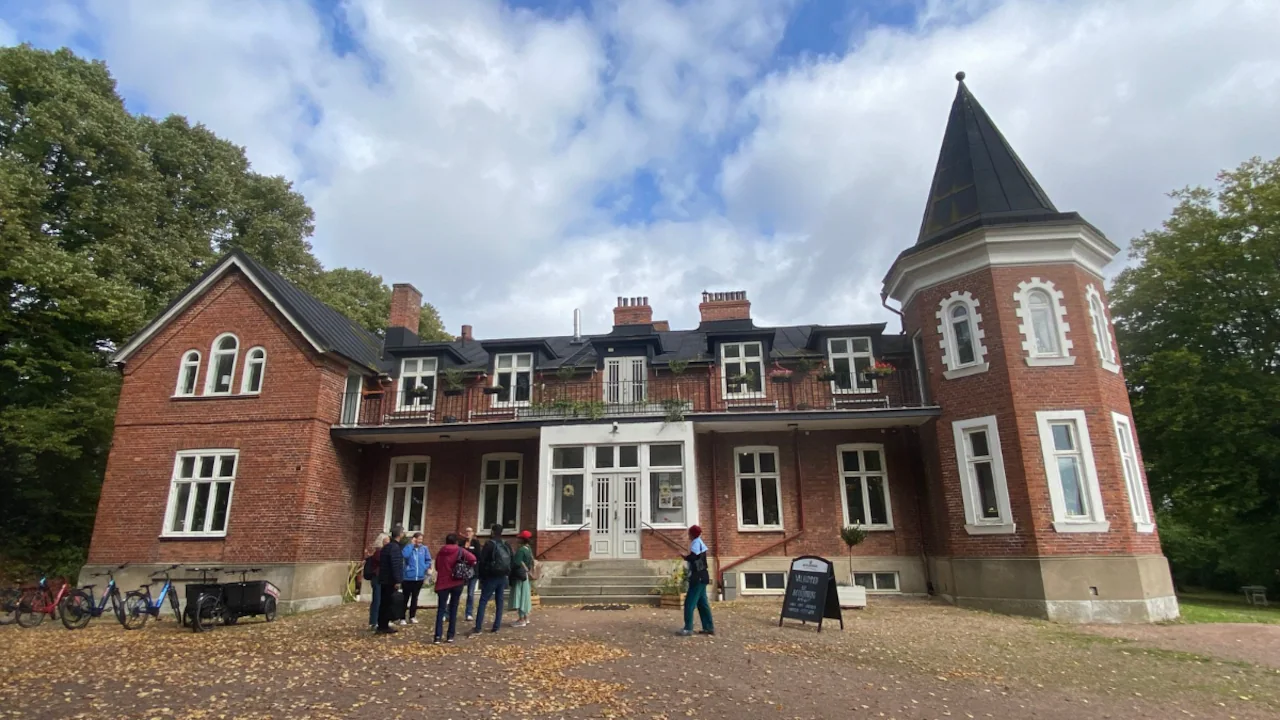
Photo: Author
A short train ride brought us to Malmo, where a delightful cargo-bike ride took us to Botildenborg, an award-winning urban farm and meeting place built around social and environmental sustainability.
As someone who gardens, I felt an immediate connection. Walking through the vegetable plots, I recognized the quiet pleasure of watching a melon or pumpkin grow. Our hosts proudly showed us how they grow vegetables organically and use their produce to prepare meals for visitors.
After the farm tour came fika, the Swedish ritual of taking a coffee break with cake and conversation. More than a caffeine stop, it is an invitation to slow down and connect. The coffee and cake were delicious, but the experience was enriched by the farm, its people and the pleasure of seeing food grow before it reaches the table.
Also Read: Forget Your Regular Besan Cheela, Try This Protein-Rich Moong Dal Version
5. Cantin, Malmö: Food in a New Format
After going around the pretty town, we stopped for lunch at Cantin, a waterfront food court in Malmo's emerging Varvsstaden district. Local friends helped us choose from a wonderfully diverse selection: Japanese comfort food, Southeast Asian dishes, French-Breton crepes, Sicilian gelato and South American coffee.
Cantin's appeal lies as much in its concept as its cuisine. Some shipping containers house permanent kitchens; others accommodate pop-ups, allowing chefs, artists and independent creators to experiment with changing ideas. The space is designed to evolve with the seasons rather than settle into a fixed identity.
Reuse is central to the project. Much of its infrastructure draws on recycled materials from Varvsstaden's own material bank and other local depots. Here, sustainability extends beyond the plate to the very structures in which food is prepared and shared.
6. Storms Pakhus, Odense: Biryani with a Twist
In Odense, Storms Pakhus brings food stalls and communal tables into a former industrial warehouse, reflecting the Danish tendency to give old spaces new life.
Two young Pakistani men from Lahore ran one stall. When I mentioned that I was from Hyderabad and asked for biryani, Saleem smiled and cautioned me not to expect the Hyderabadi version. His, he explained, was rice with a little seasoning and meat served alongside.
I ordered it anyway. After a long wait, Abdul brought me a generous plate of aromatic rice and fried lamb chunks, accompanied by raita. For extra heat, he added a small cup of red chilli sauce. The chilli proved fiery enough to send me searching for relief at an Italian counter, where I bought gelato. Pakistani biryani, Indian nostalgia, Danish communal tables and Italian ice cream, all under one roof: the world suddenly felt wonderfully small.
Across these six encounters, food offered more than flavour. It revealed how Denmark and Sweden are rethinking community, sustainability and the use of shared spaces while holding on to everyday rituals. For travelers, sometimes the most revealing way to understand a place is simply to pull up a chair and join the table.