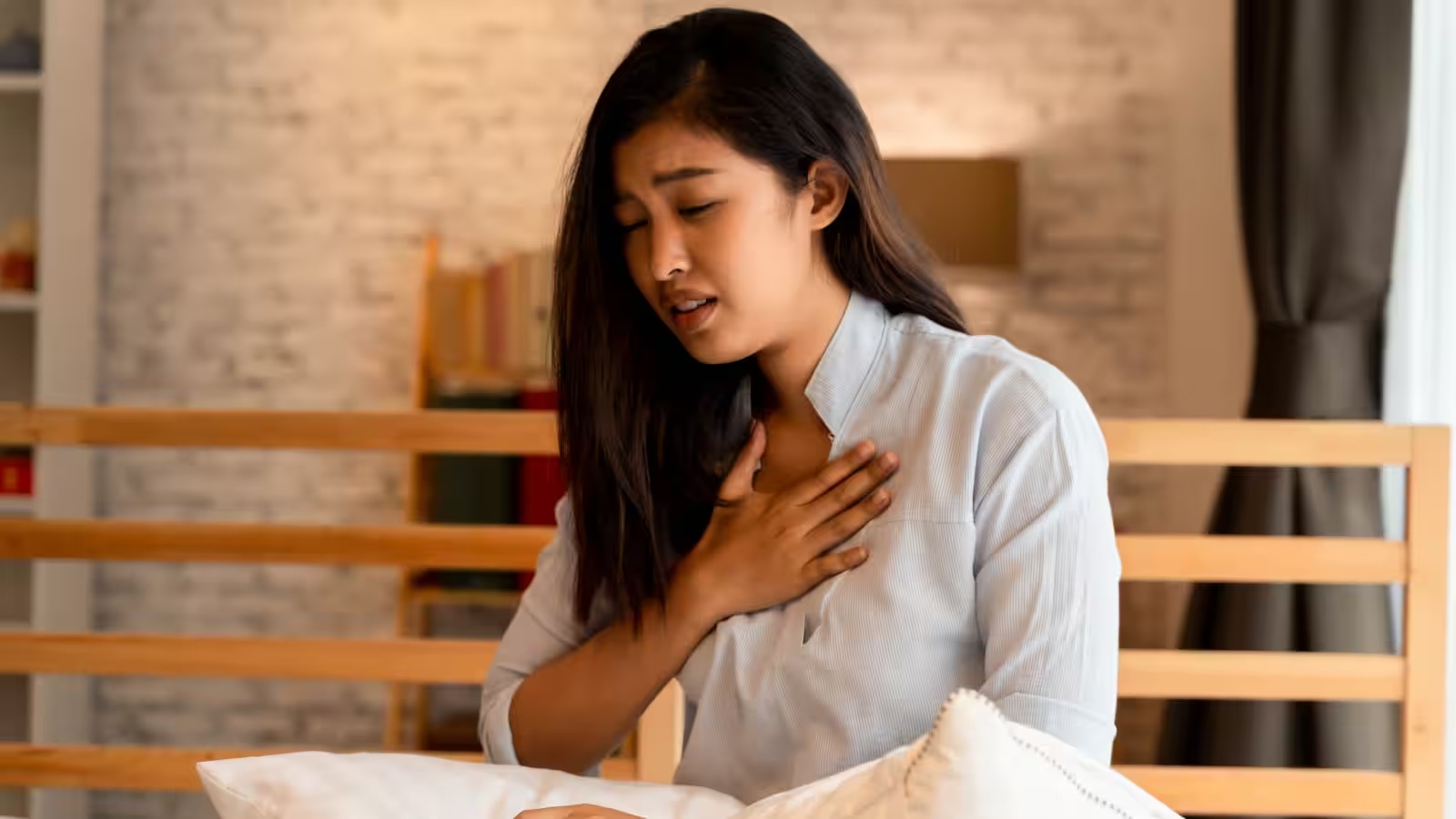
In the hustle and bustle of everyday life, shortness of breath while climbing stairs or walking a little fast has become a very common problem. Often people ignore it considering it to be normal weakness or the effect of age. But do you know that this seemingly minor problem can be an early sign of some serious disease in your heart or lungs? The biggest confusion remains whether the real cause of shortness of breath is heart disease or some infectious disease of the lungs. Recognizing the difference between these two and starting treatment at the right time can save life. At present, our changing lifestyle, wrong eating habits and increasing pollution are taking a toll on both our respiratory system and cardiovascular system. Whenever a person feels difficulty in breathing or suffocation, the first question that comes to his mind is which part of his body is becoming weak from inside. Both heart and lungs are the main organs of our body which are very closely connected with each other. The lungs pull oxygen from the air and add it to the blood, and the heart pumps that oxygenated blood throughout the body. When any one of these malfunctions, the problem of shortness of breath begins. In such a situation, it becomes very important to know which disease the symptoms are pointing towards. Why does breathlessness occur due to lung infections or diseases? Due to lung related problems, the process of shortness of breath often starts slowly and increases with time. If a person is suffering from asthma, chronic obstructive pulmonary disease (COPD), bronchitis or any serious bacterial or viral infection in the lungs, he has trouble breathing. In lung diseases, symptoms like wheezing sound while exhaling, constant feeling of tightness in the chest, dry or mucus-filled cough and straining to inhale air are mainly seen. If this problem bothers you more due to dust, soil or change in weather, then it is a direct indication of a problem related to your respiratory system i.e. lungs. What are the symptoms of shortness of breath due to heart disease? In cases of heart diseases, the pattern of breathlessness is slightly different from that of the lungs. When the heart becomes weak or is unable to pump blood properly (Heart Failure), the pressure in the blood vessels of the lungs increases and fluid starts accumulating there. Due to this, the patient suddenly has severe difficulty in breathing while lying down (called orthopnea), and he suddenly wakes up in panic at night. Heart-related shortness of breath is often accompanied by symptoms such as swelling in the feet or ankles, severe pressure or pain in the middle of the chest, cold sweats and extreme fatigue. If you feel heaviness on the chest even after doing slight physical exertion, then it should never be ignored. Identify the main difference between the two problems. There is a subtle difference between shortness of breath caused by lung problems and heart disease while sitting at home, understanding which you can make a preliminary estimate. In case of lung infection, problems like cough, fever, mucus and making noise while breathing are the main problems. On the other hand, if there is shortness of breath due to weakness of the heart, then the patient immediately feels suffocated when lying down, heart beat becomes fast (palpitations) and weakness prevails in the body. However, the doctor conducts some important medical tests to find out the exact cause. Through which medical tests do doctors confirm the correct condition? When you go to a specialist doctor with a complaint of shortness of breath, he conducts some modern tests to properly assess your condition. Pulmonary function test (PFT), chest X-ray and spirometry are done to check the condition of the lungs. Electrocardiogram (ECG), echocardiogram and blood tests (such as troponin or BNP levels) are done to test the functioning of the heart. On the basis of all these medical reports, it becomes clear whether the problem is due to lung infection or due to obstruction in the functioning of the heart. A major danger can be avoided by timely identification and changes in lifestyle. The problem of breathlessness should never be taken lightly because it is a warning given by the body. If you consult your doctor in time and get the correct diagnosis, then even the most serious diseases can be avoided. Regular pranayam, light exercise, quitting smoking completely and eating a balanced diet can keep both your heart and lungs healthy in the long run. To avoid any health related untoward incident, understand the signals of your body and take appropriate steps in time.