Microsoft and Salesforce unveil Copilotforce, an integration and cooperation initiative to bring sales data and customer information into Microsoft’s workplace tools powered by AI. Unveiled at Microsoft Ignite on November 17, 2026, the collaboration connects Salesforce with Microsoft Copilot, Teams, and Fabric, allowing enterprise employees to work with customer data without constantly switching between applications.
Its principal offering is Salesforce in Microsoft Copilot, which brings more than 38 prebuilt sales skills into Microsoft’s AI ecosystem. The partnership indicates a bigger change in enterprise AI, as firms progress from isolated chatbots to interconnected systems capable of grasping information across the business and aiding in the regular workflows of operations.
The integration efforts will be made in such a way as to retain the current permissions and security policies. Salesforce is able to control who can access CRM data and what actions are approved, and Microsoft implements its compliance rules for corporate data.
What Is Copilotforce and How Does It Work?
Copilotforce brings together Microsoft’s workplace intelligence and Salesforce’s customer relationship management (CRM) capabilities. Rather than introducing another standalone AI product, Copilotforce connects information and workflows across the two companies’ platforms.
Microsoft Work IQ provides workplace context from activities such as Outlook emails, Teams meetings, SharePoint documents, and files stored in OneDrive. Salesforce contributes customer records, account information, opportunities, and sales pipeline data. The integration allows Microsoft Copilot to combine these sources when responding to business requests.
For example, a sales representative preparing for a customer meeting could review an account’s Salesforce history alongside recent email conversations and meeting discussions.
Salesforce in Microsoft Copilot is available in public preview (beta), with more than 38 prebuilt sales skills. These cover tasks such as preparing for calls, reviewing deals, analyzing pipelines, drafting customer outreach, and creating or updating CRM records. Supported CRM writeback actions require explicit user confirmation and must follow Salesforce’s existing permissions and validation.
Five Key Changes Coming Through Copilotforce
The partnership introduces several connections across Microsoft and Salesforce products:
1. Salesforce data inside Microsoft Copilot
Employees can ask Copilot about customer accounts, deals, pipeline activity, and sales opportunities using information retrieved from Salesforce. The integration uses Salesforce’s Model Context Protocol (MCP) server to establish an authenticated connection.
2. Integration of Sales Cloud and Microsoft Teams
Sales Cloud for Microsoft Teams enhances conversations at work by providing customer data. Sales agents will have access to information about unfinished deals and statistics. This option is being tested in a few organizations for now, but an open beta is expected for late 2026.

3. Two-Way Zero Copy Integration Between Salesforce Data 360 and Microsoft Fabric
The partnership introduces separate Zero Copy capabilities for connecting Salesforce Data 360 with Microsoft Fabric. Data Federation allows Salesforce Data 360 to query supported data stored in Microsoft OneLake. In the other direction, Salesforce Data 360 shortcuts allow curated Salesforce data to be accessed in OneLake without maintaining duplicate datasets. These capabilities have different availability stages, with the OneLake-to-Data 360 integration generally available and the reverse direction in public preview.
4. Improved connections between sales tasks
Sales agents will have an opportunity to use the available capabilities for checking their deals, getting ready for client meetings, writing follow-up emails, and spotting possible dangers. Copilot can also help to correlate CRM data with clients’ messages in e-mails and meetings held on Microsoft Teams.
5. Security measures and access rights are preserved
Salesforce will manage its customers’ data and any operations with it, while Microsoft will ensure its standard compliance features for business communication.
Copilot for Salesforce Availability and Licensing Requirements
Businesses interested in the Salesforce in Microsoft Copilot beta must meet specific licensing and deployment requirements. Salesforce requires a Sales Cloud Enterprise, Performance, or Unlimited edition, together with an individual Microsoft 365 Copilot license for each user.
A commercial Microsoft 365 tenant and administrator configuration are also required. Government tenants are not supported during the beta. These requirements mean that the integration is not a completely free feature available to every Microsoft Copilot or Salesforce user. Organizations should review the relevant licensing and configuration requirements before deployment.
Accenture Joins as Design Partner and Pilot Customer
Accenture is working with Microsoft and Salesforce as the design and implementation partner for Copilotforce. It is also participating as an initial pilot customer, testing the integrations within its global sales organization. Microsoft’s announcement notes that Accenture has already scaled Copilot to more than 740,000 people and has 55,000 Salesforce users.
These figures represent Accenture’s existing deployments of the two platforms, not confirmed Copilotforce adoption numbers. The company will use its experience with both technology ecosystems to help design and validate the integrations before wider enterprise deployment.
Why the Microsoft-Salesforce Partnership is Important
The announcement of Copilotforce shows how corporate AI is being more concentrated on linking business applications instead of being just a discreet helper. Salespeople have to work on a myriad of CRM logs, correspondence, meetings, documents, and so on, thus finding it difficult to have a complete view of a customer’s buying behavior.
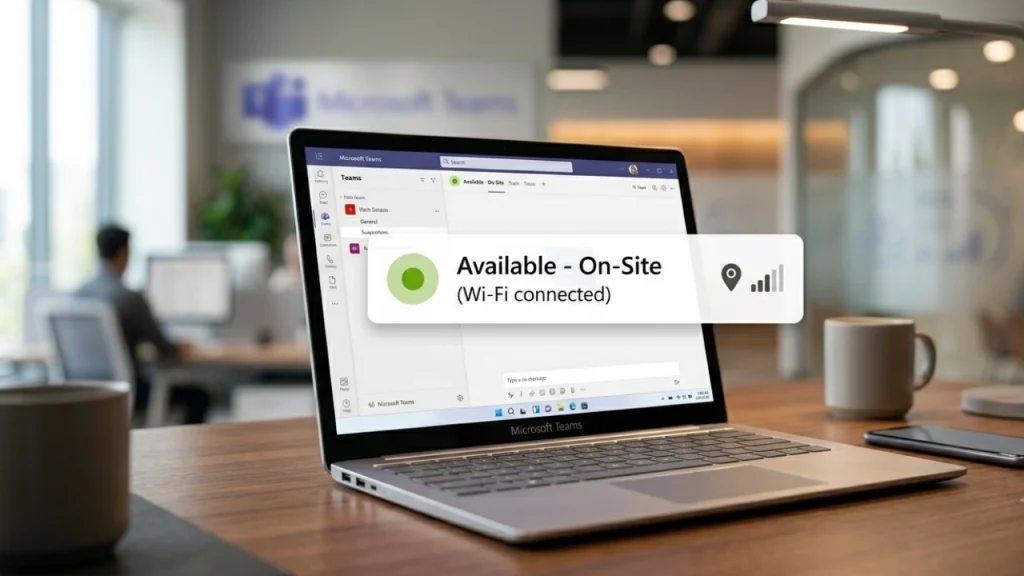
By bringing together these data sources, Microsoft and Salesforce aim to reduce redundant administrative operations and enable employees to make decisions based on the information that is important for them. For Indian information technology companies, consulting firms, and business sales teams, this means new opportunities for using AI technologies in business CRM and productivity workflows.
However, the practical benefits will depend on licensing, deployment, data permissions, and how organizations configure their systems. With several integrations still in preview or pilot, broader enterprise adoption will take time to assess.
Conclusion
The Copilotforce partnership is a significant step in the collaboration between Microsoft and Salesforce in enterprise AI. Its Integrations tie together information concerning sales management systems and conversations in workplaces, sales processes, and organizational data. The collaboration concludes not with a merger or the formation of a new AI model.
Instead, it is an attempt to enhance enterprise AI in terms of making it useful by incorporating accessible means that employees use in their work. The integrations that have been introduced will help enterprises see what opportunities these integrated processes provide for sales management and work efficiency.
(Via)