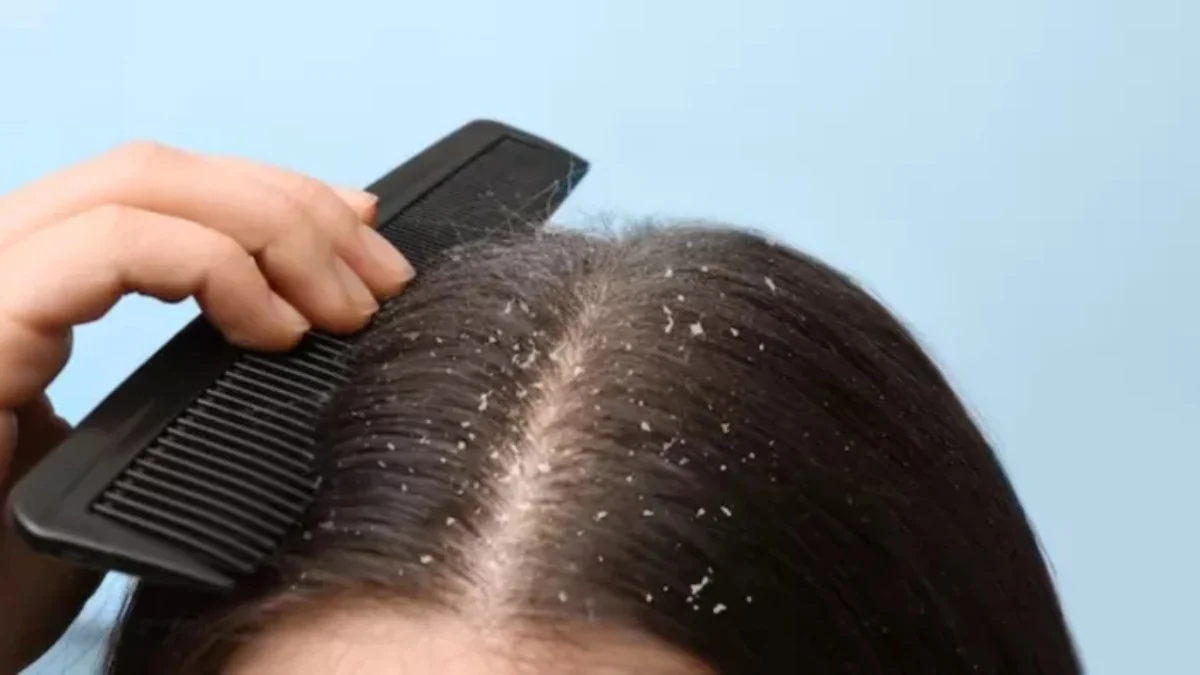
Lifestyle Desk: As soon as the winter season starts, many skin related problems start troubling us. While the skin of the face and hands and feet starts becoming dry due to cold air and lack of moisture in the environment, it also affects the scalp. In this season, many people start having problems like itching in the head, white scales and hair fall.
Sometimes the white dandruff falling on the shoulders also creates an uncomfortable situation for people. However, not every white scale that appears on the scalp is dandruff. Sometimes the reason for this can also be dry scalp i.e. dryness of the scalp. Apart from this, skin related problems like seborrheic dermatitis, eczema and psoriasis can also be responsible for this.
In such a situation, it is important to understand the problem of the scalp and take proper care of it. Let us know some easy ways to keep the scalp healthy in winter and get relief from dryness.
Take care of scalp with coconut oil
Coconut oil can be used to reduce dryness of the scalp in winter. The fatty acids present in it help in softening the skin and maintaining moisture. For this, before bathing, take a small amount of coconut oil and apply it gently on the scalp. After some time, wash hair with mild shampoo. Keep in mind that if itching or flakes increase after applying oil, then stop using it. Applying excess oil in case of dandruff is not beneficial for everyone.
Aloe vera gel can provide coolness
Aloe vera gel is known to soothe the skin and provide relief from dryness. If the scalp feels mild itching and stretching, pure aloe vera gel can be used. Keep it on the scalp for some time and then wash it with water. Do a patch test before using it for the first time. Do not use if irritation or redness occurs.
Do not wash hair with very hot water
It feels good to take a warm bath in winter, but too hot water can strip the scalp of its natural moisture. This can cause the scalp to become more dry. Therefore, use lukewarm water to wash hair. Also, do not leave any residue of shampoo on the scalp after washing the hair.
Use mild shampoo
Repeated use of shampoos with strong chemicals can increase dryness and irritation in the scalp. Therefore, choose mild shampoo according to the needs of your scalp. If the problem is dandruff, anti-dandruff shampoos with ingredients like ketoconazole, zinc pyrithione or selenium sulfide may be helpful. Follow the instructions given on the pack while using it.
Do not scratch the scalp with nails
In case of itching in the head, the habit of repeatedly scratching with nails can increase the problem. This can cause small wounds on the scalp and also increase the risk of infection. While washing hair, massage gently with finger tips. Avoid rubbing the scalp vigorously.
Take care of food and water
Many people start drinking less water in winter. In such a situation, it is important to give adequate amount of water to the body. Along with this, include green vegetables, seasonal fruits, dry fruits, seeds and protein rich foods in the diet. A balanced diet helps maintain normal health of hair and skin. However, changing your diet alone does not guarantee cure of dandruff.
keep hair clean and dry
In winter, many people do not wash their hair for several days due to fear of cold. This can cause accumulation of oil, sweat and dead skin on the scalp. Therefore, wash hair regularly according to your scalp. After washing hair, dry the scalp thoroughly. Avoid wearing hats or caps for long periods of time with wet hair.
When is it necessary to contact a doctor?
If scalp itching and flaking do not subside despite home care, consult a dermatologist. A doctor should also be consulted if there is excessive redness, swelling, thick crust, wounds, pus or hair fall on the scalp. The reason for this may not only be dryness or normal dandruff, but also some other skin related disease.