We may receive a commission on purchases made from links.
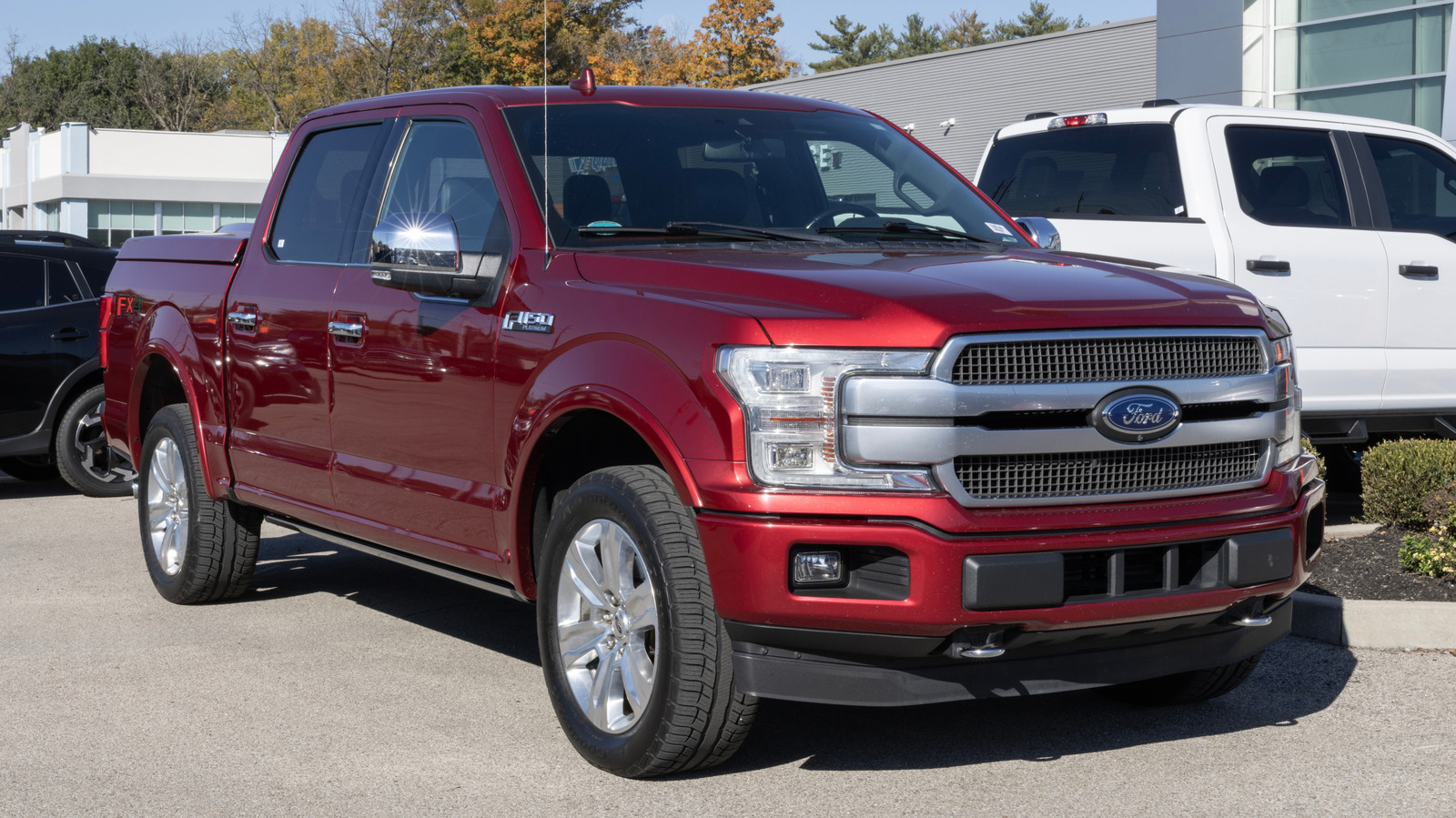
Take a close peek at a Ford F-150 truck and you’ll spot a bunch of vents. What are they for? Going from the front to the back, the first set of vents on some F-150s are the small air curtains on the front bumper below the headlights, which shoot air across the tires to reduce air resistance. Then, there are the vents at the base of the windshield, which draw air into the HVAC system. While most regular cars have vents on the back of the rear bumper, openings with a similar function are located on the back of the F-150’s cabin.
Consisting of simple plastic grilles with a few rubber flaps, these one-way vents are generally referred to as air exhausters. As the name implies, air exhausters allow air to escape from the F-150’s cab. Any time you close the truck’s door or turn on the air conditioner, the interior’s air pressure goes up, and the excess air is then pushed out through these back vents. Once the pressure equalizes, the vents snap tight, stopping air and water from entering the cabin.
Believe it or not, these vents are more important than they seem. Modern cars are airtight partly because customers associate excess outside noise with low quality. As such, one study from the Industrial Engineering and Operations Management Society states that any extra air entering the vehicle (like when closing doors or when the HVAC fan ramps up) would lead to a noticeable rise in cabin pressure and may reduce how occupants view the truck’s quality. Going by that logic, you’ll probably notice when these vents kick the bucket.
How much does it cost to replace the vents on the back of the F-150?
Unfortunately, most Ford F-150 trucks share a common flaw with the two air vents on the back: They’re only held together by plastic clips, which tend to loosen or break, letting in air and water. , As you can assume, the biggest giveaway that the seal to the vent has broken off is finding water or water stains in the back of the cabin. This one can be easy to miss, so if you do fail to notice it, you’ll likely catch a musty aroma taking over the cabin or hear excess wind noise when you drive faster. According to the above study, without air exhausters, car doors would struggle to close due to excess air pressure. If you also notice that you’re banging the door harder than usual, looking for all the other signs is a must.
When it comes to the cost of repairs, there is good and bad news. The good is that the vent itself is cheap, selling for as little as $20 on websites like Amazon. The bad news, however, is that labor can run you anywhere from $200 to $500, depending on the severity of the issue and the shop you go to. Theoretically, you could DIY it, but it requires removing the rear seat, C-pillar trim, and all the material covering the back of the cab. The fix is harder in trucks, too, as the working space is small. Doing a bad job could lead to water damage, as well, so the risk likely isn’t worth it.