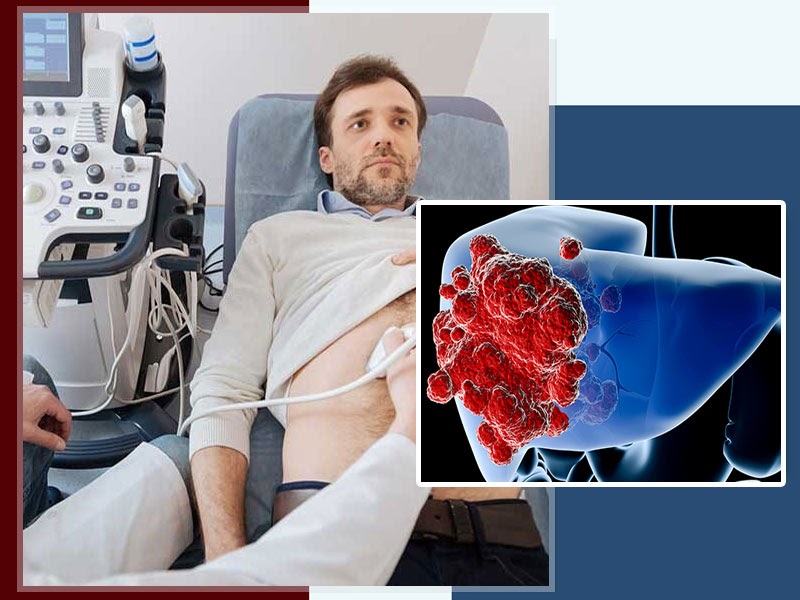
Health Desk. Liver is one of the most important organs of our body. It plays an important role in removing toxic substances from the body, digesting food, storing nutrients and controlling the body's metabolism. In such a situation, if there is any kind of problem in the liver, it can affect the entire body. The matter of concern is that liver disease often does not show obvious symptoms in the initial stages. But as the problem progresses, the body starts giving some signals.
1. Yellowing of eyes and skin
Yellowing of the white part of the eyes and skin can be a major sign of liver related problems. This is called jaundice. This happens when the amount of a substance called bilirubin increases in the body. If the liver is not functioning properly then bilirubin starts accumulating in the body. In such a situation, it is necessary to get checked by a doctor.
2. Swelling and pain in the stomach
If you are feeling continuous swelling, heaviness or pain in the stomach, then do not ignore it considering it to be a normal problem. In severe liver disease, fluid can accumulate in the stomach, which is called ascites. Due to this the size of the stomach starts increasing. Pain or discomfort in the right upper part of the abdomen can also be a sign of liver related problems.
3. Constant fatigue and weakness
If you constantly feel tired and weak despite getting enough sleep and rest, then liver problems may also be the reason behind this. The liver plays an important role in many processes related to metabolism and energy in the body. If it does not work properly, the person may feel lethargy, weakness and lack of energy all the time.
4. Dark color of urine
Darker yellow or tea-like color of urine than normal can also be a sign of liver related problems. Especially when along with this, yellowness in the eyes or lightening of stool color starts, then one should be careful. When bilirubin increases in the body, the color of urine can become dark. However, lack of water can also darken the color of urine, so investigation is necessary to find out the exact cause.
5. Loss of appetite and nausea
If you are constantly feeling loss of appetite, nausea or feeling like vomiting, then liver disease may also be the reason behind this. If liver function is affected, problems related to digestion may arise. Some people may also have the problem of feeling heavy in the stomach after eating and losing weight without any apparent reason.
When should one contact the doctor?
If symptoms like yellowing of eyes or skin, unusual swelling in the stomach, persistent weakness or dark urine color appear, contact a doctor. If needed, the doctor may advise liver function test (LFT), ultrasound and other tests. If you have sudden severe stomach pain, vomiting blood, black stools, confusion, or excessive sleep, seek medical help immediately.