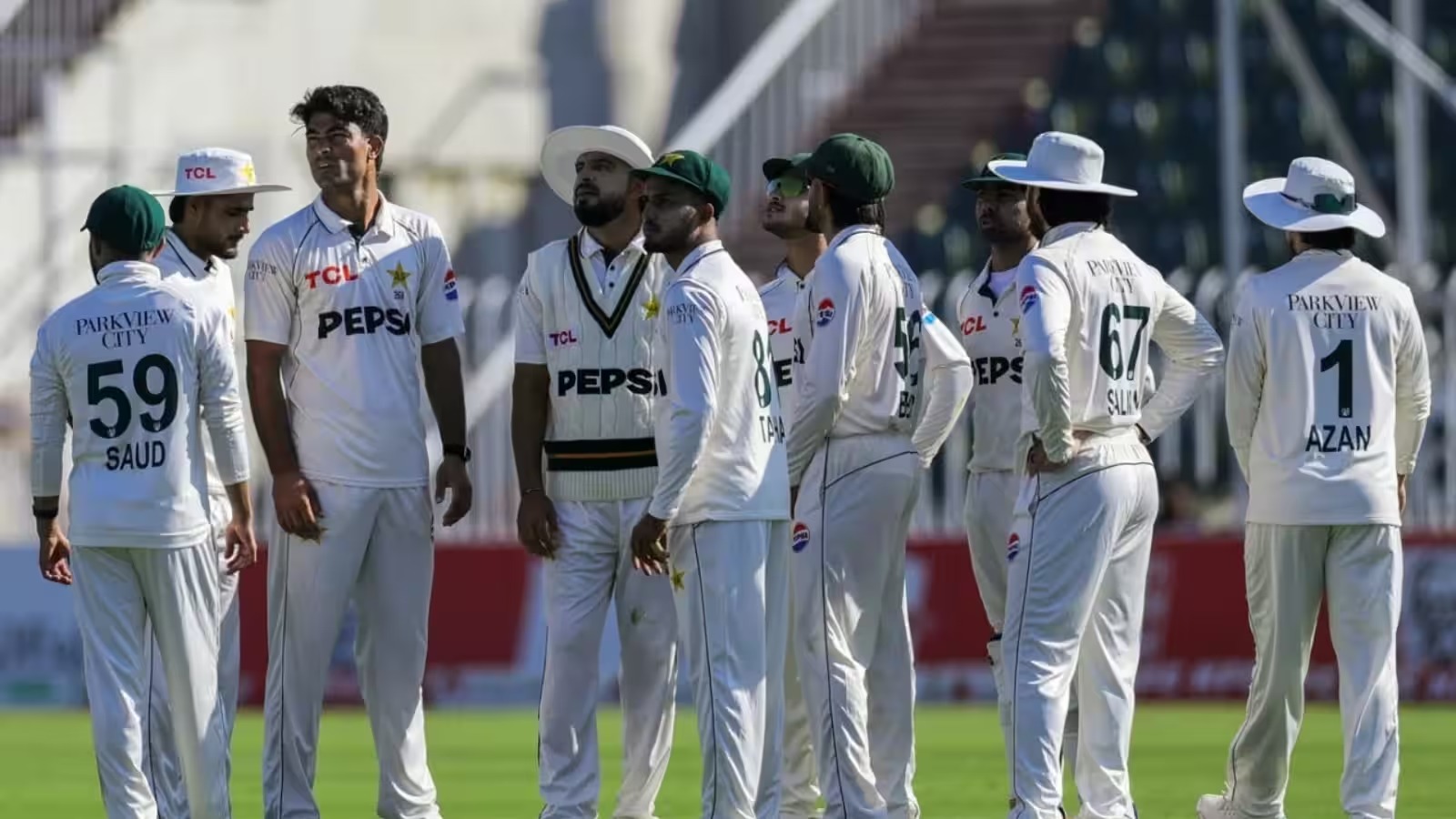
Pakistan cricket team has once again come into limelight due to its mistakes and controversies on the field rather than its performance. In the 9 Test matches played so far in the year 2026, Pakistani bowlers have bowled a total of 106 no balls, which is the worst figure of any Test team in this calendar year. During the ongoing Test match against Sri Lanka in Rawalpindi, there were a lot of no balls, with which Pakistan got the unwanted record of most no balls in Test cricket in a year. Bangladesh is at second place in this list with 54 no balls, which means there is almost double the difference between the first and second number teams. This trend of bowling more than 11 no balls on an average in every Test has increased the concern of the team management and the question has started rising in the cricket circles whether this is only technical and disciplinary negligence or a shadow of the dark chapter of the past.
In a long and patient format like Test cricket, bowling no balls proves costly for any bowling attack. In case of no ball, the opposition team gets an extra run for free and the bowler has to bowl the same ball again, which gives the batsmen an opportunity to build momentum and score runs. Not only this, due to frequent no balls and extra balls, the pace of the match slows down, which directly impacts the over rate of the team. According to reports, 24 World Test Championship points have been deducted from Pakistan team due to slow over rate, which is considered to be a big blow to the team's position in the points table. The incident of fast bowler Mohammad Ali bowling 17 no balls in a Test during the England tour in September has also exposed the lack of bowling discipline.
Whenever the number of no balls increases abnormally in Pakistan cricket, memories of the 2010 Lord's Test spot-fixing scandal automatically come to mind. During that period, the charges of deliberately bowling no balls at the scheduled time at the behest of bookies on the then captain Salman Butt and fast bowlers Mohammad Asif and Mohammad Aamir were proved, after which the International Cricket Council (ICC) imposed a ban and was sentenced by the court. Although there is no official confirmation of any match or spot-fixing regarding the current figure of 106 no balls, but the news of Pakistan Cricket Board (PCB) starting an internal investigation regarding the conduct and discipline of the players after losing two consecutive Tests on the tour of England in the month of September in 2026 had further increased the sensitivity.
Cricket experts believe that frequent crossing of the crease or front-foot errors by fast and medium bowlers is often linked to poor run-up rhythm, fatigue, trying to extract extra pace or technical errors. When 106 no balls are bowled not in a single match but in 9 Test matches of the entire year, then the problem is not seen of one or two players but of the overall preparation and monitoring. There is a need to seriously work on the basic steps like accurate checking of run-up mark in the nets, management of bowling load during periods of fatigue and prompt interaction of the captain and coach during the match.
These figures revealed during the Rawalpindi Test have made it clear that Pakistan will have to immediately improve its bowling discipline and loss of points. On the other hand, cricket lovers of India including Hardoi, Lucknow and surrounding areas of Uttar Pradesh also keep a close eye on these statistics and controversies of international cricket. In the coming time, the challenge before the team management and selectors will be to stop this trend of no ball, avoid the penalty of over rate and regain their lost confidence through disciplined performance on the field.