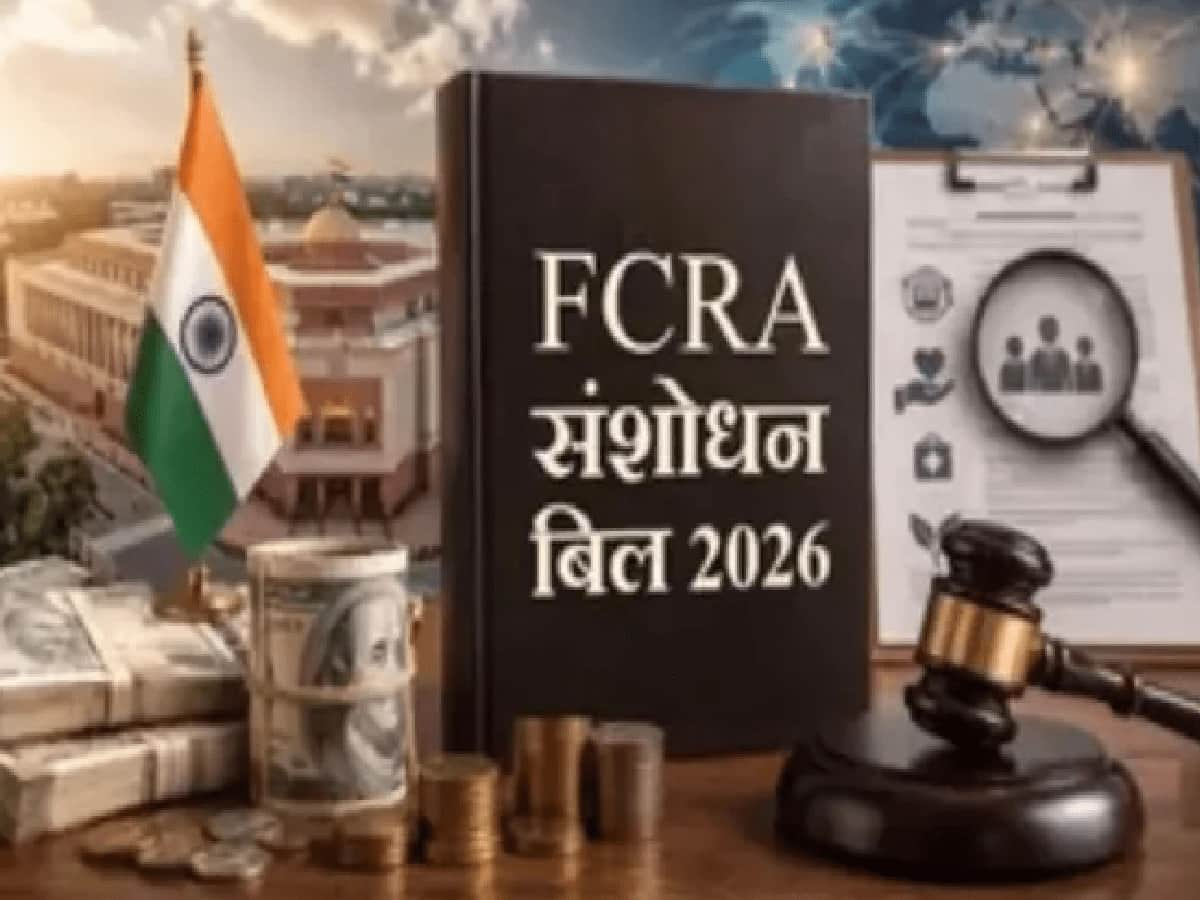
The political and policy debate regarding the Foreign Contribution (Regulation) Amendment Bill i.e. FCRA has intensified in the corridors of the Indian Parliament and legislative processes. According to the latest developments that emerged on Friday, November 20, 2026, opposition members have raised serious questions regarding the functioning of the Joint Parliamentary Committee (JPC) which is reviewing this important bill. Opposition MPs allege that there is a lack of transparency in the proceedings of the committee meetings and the objections lodged by the stakeholders and the minutes of the meetings are not being recorded properly. Along with this, allegations of ignoring the objections of various organizations of Andhra Pradesh and Telangana have also come to light, while on the other hand, Christian organizations of North-East India have also appeared before the JPC and raised a strong demand for withdrawal of this bill. From the Parliament House in New Delhi to Unnao, Kanpur and Lucknow in Uttar Pradesh, there is an intense discussion among social organizations, non-governmental organizations (NGOs), legal experts and political analysts across the country on the proceedings of this Parliamentary Committee and the possible effects of the FCRA amendment. Let us know in detail what demands have been made by opposition MP P. Wilson in the letter written to the committee chairman, what clarification has been given by Speaker Sanjay Jaiswal on these allegations and on the basis of which concerns the organizations of the North-East have opposed the bill.
Raising the issue of transparency in the joint committee meetings of Parliament, Rajya Sabha member P. Wilson has written a formal letter to the committee chairman Sanjay Jaiswal. Through this letter, he has demanded to provide complete details of 12 memorandums received from various social and religious organizations. P. Wilson says that many religious institutions, charitable trusts and non-governmental organizations (NGOs) have not got a proper opportunity to present their views and present their views before the committee. He believes that since the provisions of this Bill have a direct impact on organizations engaged in social and charitable work across the country, it is essential for the democratic process to seriously listen to the views of each stakeholder and take them on record.
The opposition members have not only demanded the details of the memoranda, but have also demanded that the detailed proceedings and verbatim transcripts of the committee meetings be made available to all the members. Opposition MPs allege that the questions and answers exchanged between committee members and witnesses during the meetings are not being properly recorded in the minutes of the proceedings, raising questions over the completeness of the records. Apart from this, the issue of ignoring the objections of organizations associated with Andhra Pradesh and Telangana has also been raised. However, Joint Parliamentary Committee Chairman Sanjay Jaiswal has completely rejected all these allegations made by the opposition. He clarified that due minutes of each meeting are made available to all members and the entire record can also be easily viewed on the member portal, hence no question of lack of transparency arises.
Amid this ongoing dispute within the Joint Committee of Parliament, Christian organizations of the North-Eastern States have also registered strong opposition to this Amendment Bill. Presenting their views before the committee, these organizations have demanded complete withdrawal of the FCRA Amendment Bill. Representatives of the organizations say that the stringent provisions proposed in this bill can badly affect the education, health and other social services that have been running for years in the inaccessible and remote areas of the North-East. He argues that if the rules related to foreign contributions are made more complex, it will create major hindrances in the ongoing welfare work for needy communities at the grassroots level. Now all eyes are on the upcoming meetings of the Joint Committee and its final report to see what stand it takes on all these objections and suggestions.