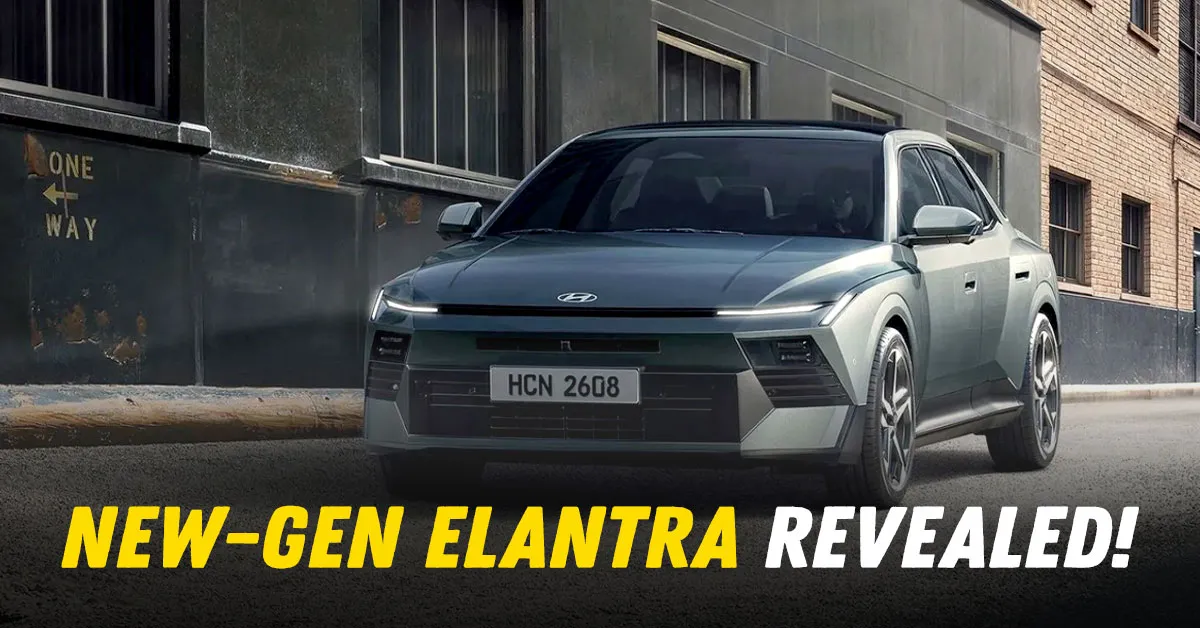
Hyundai has unveiled the eighth-generation Elantra at the 2026 Los Angeles Auto Show. The new sedan is bigger than its predecessor, gets a redesigned cabin and introduces a 157 PS strong-hybrid powertrain. It also brings Hyundai’s latest connected-car operating system, which gives the interior a very different look and feel.
The Elantra is sold as the Avante in South Korea, where this generation arrived in August 2026. Sales under the Elantra name are scheduled to begin in markets such as North America in early 2027.
Hyundai has not announced an India launch. The earlier Elantra was discontinued here in 2022.
Hyundai has stretched the car to 4,795 mm in length, an increase of 85 mm. It is now 1,855 mm wide, up by 30 mm, while its 2,750 mm wheelbase is also 30 mm longer than before. Those may appear to be modest changes on paper, but the space gained inside is useful, particularly for rear-seat passengers.
Hyundai claims rear legroom has increased by 29 mm to 993 mm. The rear seating area is also wider, and headroom is improved. The conventional petrol model gets a 479-litre boot, while the hybrid offers 467 litres. That slight reduction is due to the packaging requirements of the electrified powertrain.
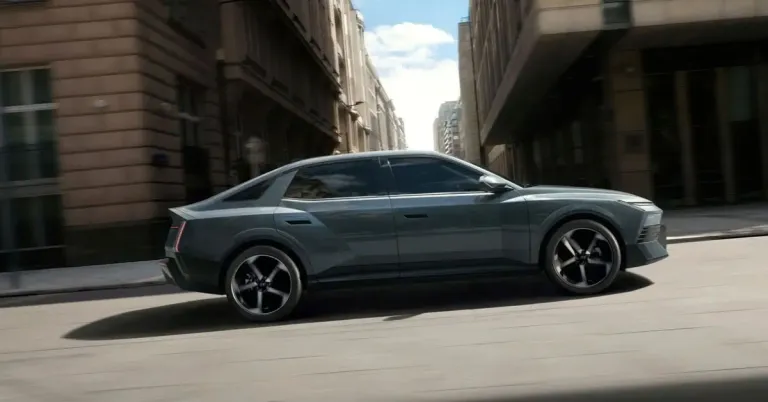
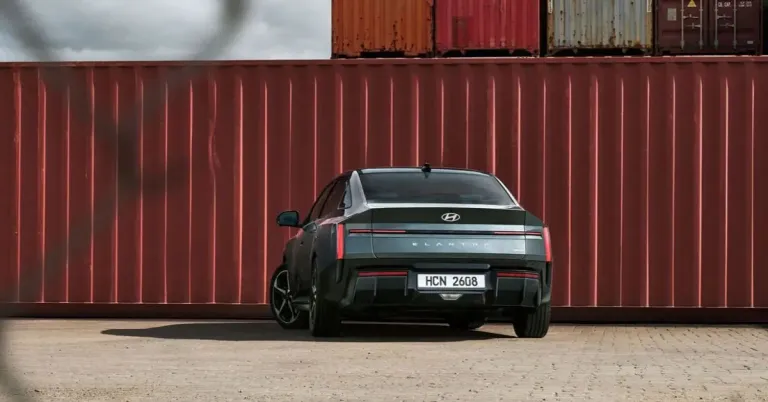
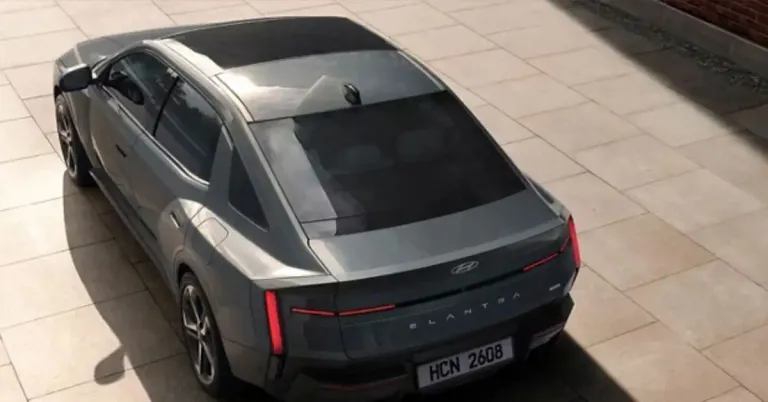
The styling is much sharper than before. Hyundai calls its latest design approach ‘Art of Steel’. Up front are horizontal H-Edge lighting elements, pronounced wheel arches and a long, low bonnet. The side profile uses flush-style door handles, while the rear gets distinctive vertical lighting elements. The result is a sedan that looks more assertive without turning into an SUV-like crossover.
The biggest mechanical change is a 1.6-litre petrol-electric hybrid delivering a combined 157 PS. It uses a six-speed dual-clutch automatic transmission. Unlike a mild hybrid, the system can use electric assistance more substantially and recover energy while slowing down.
The hybrid also gets predictive energy management, which uses information about driving conditions to decide when to draw on the battery and when to run the engine. Hyundai’s Smart Regeneration System 3.0 manages energy recovery during deceleration. A new Stay Mode can operate functions such as the air-conditioning and audio while the vehicle is parked, reducing the need to idle the petrol engine.
The second option is a 2.0-litre naturally aspirated petrol engine producing 149 PS, paired with an IVT automatic. Hyundai quotes 35 mpg for this petrol version in the relevant test cycle. The hybrid’s final North American efficiency figure has not yet been certified.
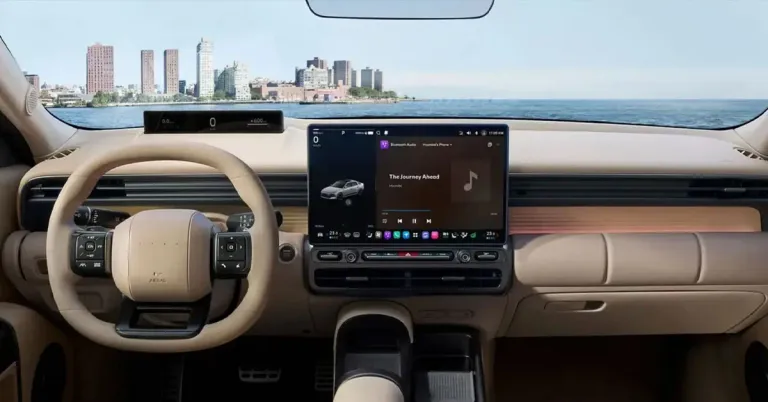
Inside, the new Elantra has Hyundai’s Pleos Connect infotainment system with a 12.9-inch touchscreen. A larger 14.6-inch display is available in select markets and variants. The software supports over-the-air updates, downloadable applications and an AI voice assistant. Hyundai has also retained physical controls for important functions, instead of forcing every operation into the touchscreen.
Depending on the market and variant, the equipment list can include two wireless phone chargers, 100 W USB charging, a Bang & Olufsen audio system and Hyundai Digital Key 2. Driver-assistance features include forward collision avoidance, blind-spot warning, lane-keeping assistance, driver monitoring and safe-exit warning.
The Elantra name has history here, but the previous-generation sedan was withdrawn in 2022 as buyers increasingly moved towards SUVs. Hyundai now relies on the Verna in the sedan space. Bringing back a larger imported or locally assembled Elantra would therefore require a clear business case.