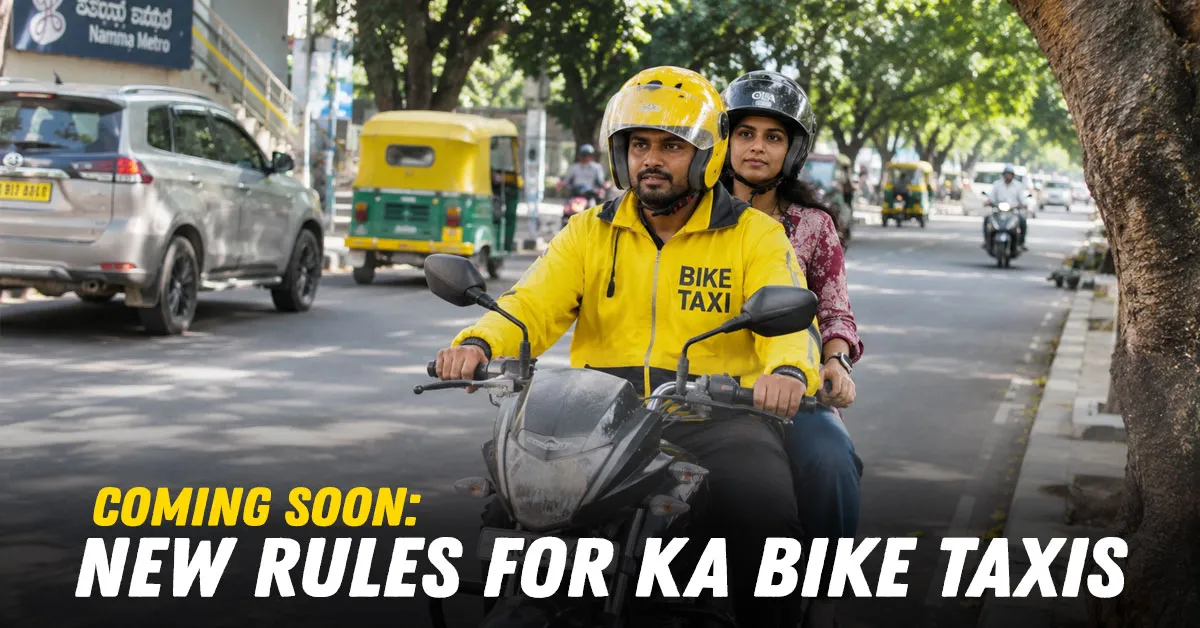
The legal battle over bike taxis in Karnataka has taken a new turn. A day after the Supreme Court refused to revive the state’s ban on the services, Transport Minister Byrathi Suresh said the government would frame rules covering rider documents, GPS devices, insurance and passenger safety. The minister also said officials would consult the Advocate General before taking the next steps.
For passengers who want affordable rides through traffic and riders who depend on bike taxis for income, this is an important shift. The argument is moving away from whether bike taxis should exist at all and towards how they should operate.
On November 20, the Supreme Court dismissed Karnataka’s appeal against a January 23 High Court ruling that had set aside an earlier restriction on bike-taxi operations. The High Court ruling allowed operators and motorcycle owners to apply for the registrations and permits required under the law. Authorities must consider those applications in accordance with the applicable rules.
That does not give every owner of a privately registered motorcycle automatic permission to pick up paying passengers. Registration, authorisation and insurance requirements are separate questions.
This distinction is relevant because the Centre’s Motor Vehicle Aggregator Guidelines, 2025, leave room for states to allow the use of private motorcycles for app-based passenger rides. The guidelines do not, by themselves, make every white-plate bike taxi lawful in every state. Karnataka still needs a workable, legally consistent system for its own roads.
The minister has identified rider-document checks, GPS installation and insurance among the subjects to be covered by the new rules. He also stressed passenger safety, particularly for women. Each proposal addresses a genuine concern, provided the government designs it sensibly.
GPS tracking can help an app share live trip details, record a route and respond when a ride does not go as planned. But a phone-based location service and a separate GPS device are not necessarily the same thing. The government has not yet clarified which technology it intends to require, who must pay for it or how location data will be protected.
Insurance is an even bigger issue. A policy bought for personal use may not automatically cover paid passenger transport. Any rules should make clear what protection is available to the rider, pillion passenger and third parties if an accident occurs.
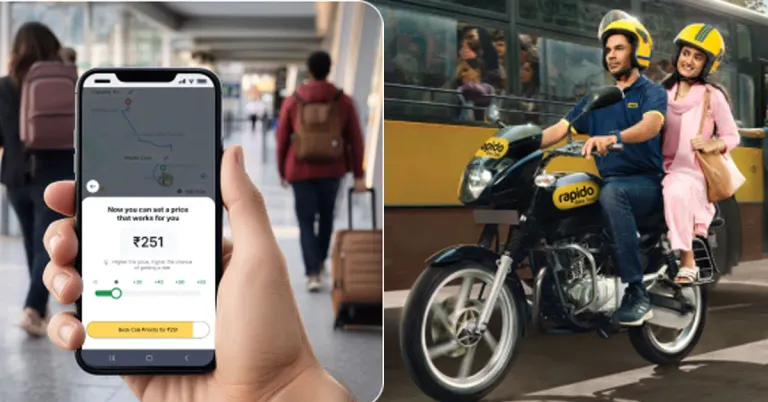
The authorities may also have to establish how driver licences, vehicle fitness, background checks and emergency assistance will be verified.
Bike taxis appeal to commuters because they can negotiate congested roads more easily than cars and are often cheaper for short journeys. They also provide flexible earning opportunities to people who already own motorcycles. Excessive compliance costs could weaken both advantages.
For example, compelling every rider to buy an expensive tracking device when an approved app can provide reliable location sharing would add cost without necessarily improving safety. On the other hand, allowing operators to avoid adequate passenger insurance merely to keep fares low would be difficult to justify.
A practical framework would spell out who is responsible for each requirement. Aggregators can verify driver identities, monitor trips and provide complaint channels. Riders can maintain their vehicles and comply with licence and permit rules. The transport department can audit whether these safeguards are actually working.