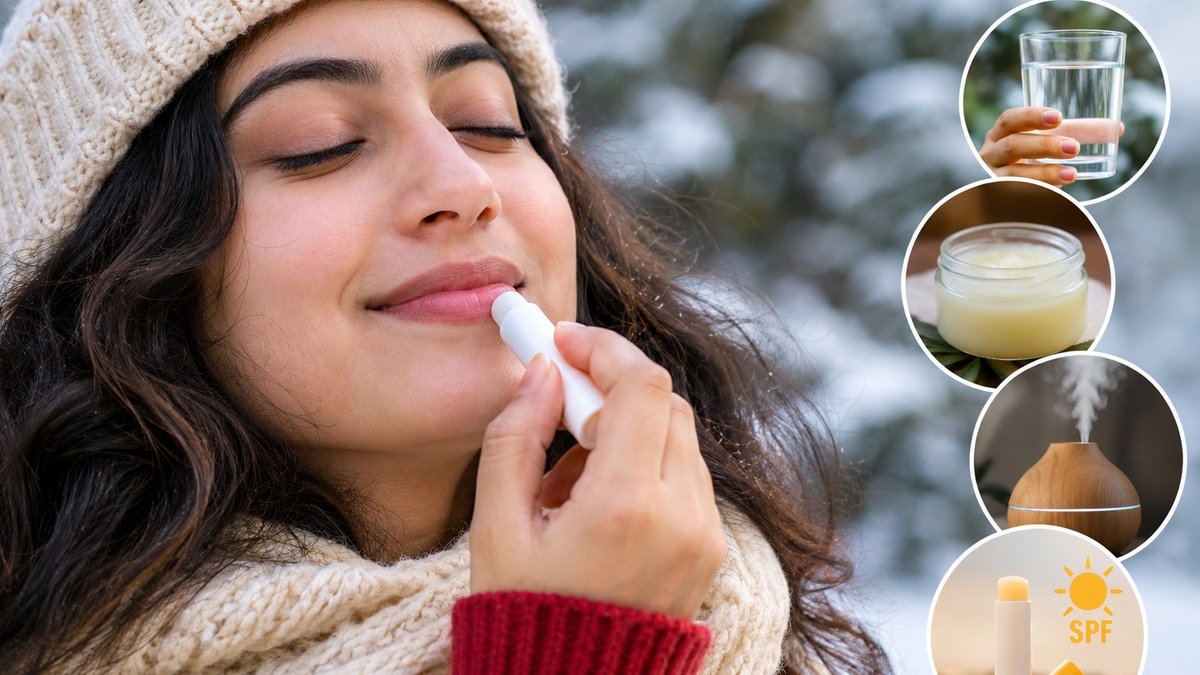
Winter can be particularly harsh on the skin, and the lips are often among the first areas to show signs of dryness.
To advertise here,
As temperatures drop and humidity levels fall, lips can lose moisture quickly, leaving them dry, flaky, tight and sometimes painfully cracked.
Cold winds, indoor heating and frequent lip licking can make the problem worse.
Unlike the rest of the skin, lips do not have oil glands to produce natural oils that help retain moisture.
This makes them more vulnerable to dehydration, especially during the winter months.
While applying lip balm is a common solution, a few simple changes to your daily skincare routine can help prevent chapped lips and keep them healthy.
If you are struggling with dry lips this winter, here are seven easy ways to protect them and maintain their natural softness.
7 easy hacks to prevent chapped lips in winter
1. Apply a nourishing lip balm regularly
One of the easiest ways to prevent chapped lips is to use a moisturizing lip balm throughout the day. Choose products containing ingredients such as petroleum jelly, shea butter, ceramides or mineral oil, which help lock in moisture and protect the lips from external irritants. Apply lip balm several times a day, particularly after eating, drinking or washing your face. Keep one beside your bed and apply a generous layer before bed.
2. Avoid licking your lips frequently
Licking your lips might provide temporary relief when they feel dry, but it can actually make the problem worse. Saliva evaporates quickly, leaving the lips even drier than before. Digestive enzymes present in saliva can also irritate the delicate skin around the mouth. Instead of licking your lips, reach for a moisturizing lip balm whenever they feel dry or uncomfortable.
3. Drink enough water throughout the day
Staying hydrated is important for maintaining overall skin health, including your lips. Although drinking extra water alone cannot cure chapped lips, dehydration can contribute to dryness. Make sure you drink enough water throughout the day, even when you don't feel particularly thirsty during winter. Include water-rich foods such as oranges, cucumbers and watermelon in your diet to support hydration.
4. Don't let indoor heating dry out your lips
Indoor heating systems can reduce moisture in the air, making your skin and lips feel increasingly dry. Spending long hours in heated rooms can therefore aggravate chapped lips. Using a humidifier in your bedroom or living space can help restore some moisture to the indoor environment. This can reduce dryness and make your winter skincare routine more effective.
5. Avoid harsh lip scrubs and irritating products
Exfoliating your lips too frequently can damage their delicate outer layer and worsen existing cracks. Avoid aggressively rubbing your lips with toothbrushes, rough towels or homemade scrubs, particularly when they are already peeling. You should also avoid lip products containing irritating ingredients such as menthol, camphor, eucalyptus, fragrance or strong flavoring agents if your lips are sensitive. Choose gentle, fragrance-free products instead.
6. Protect your lips before stepping outdoors
Cold winds and low temperatures can strip moisture from your lips. Before heading outdoors, apply a thick layer of protective lip balm to create a barrier against harsh weather. During the daytime, consider using a lip balm with SPF 30 or higher. Sun exposure can damage your lips even in winter, especially when you spend extended periods outdoors.
7. Apply petroleum jelly before bedtime
Night-time is an ideal opportunity to give your lips some extra care. Before bed, apply a generous layer of plain petroleum jelly over your lips. Petroleum jelly works as an occlusive, helping prevent moisture loss and protecting the skin while you sleep. For particularly dry lips, apply it after a gentle, fragrance-free moisturizing product.
When should you be concerned about chapped lips?
- Occasional dryness is normal during winter.
- Watch for persistent cracking, bleeding, swelling, or painful lips.
- Consult a dermatologist if regular moisturizing does not help.
- Persistent dryness may indicate allergies, irritation, or infections.
- Maintain a consistent lip-care routine and protect your lips from cold weather.