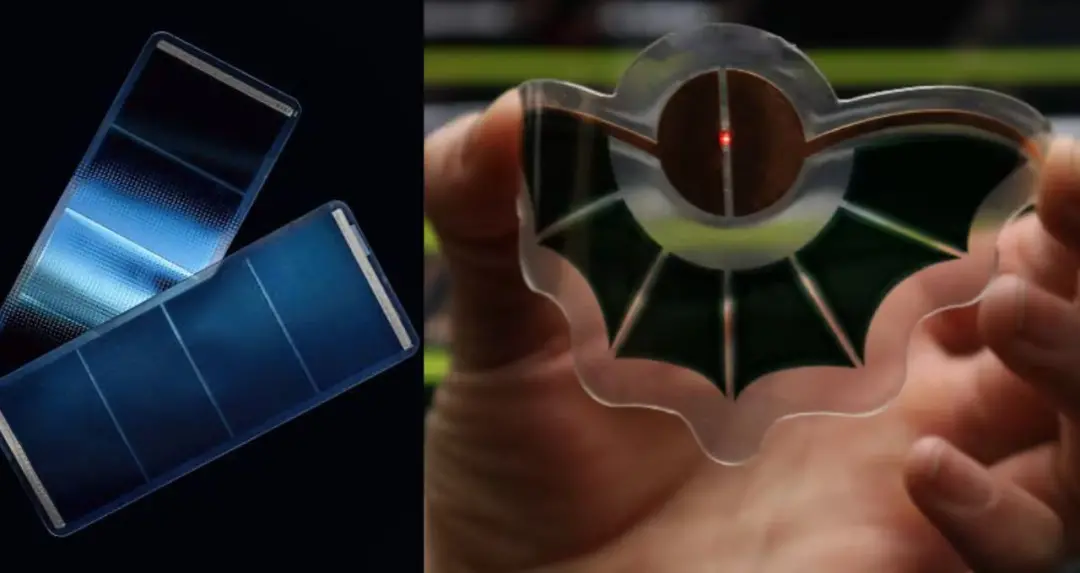
Dracula Technologies develops solar film that can generate electricity from home LED lights
Power generation for indoor lighting using LAYER technology
France's Dracula Technologies company has developed a solar film called LAYER. This film can generate electricity from various light sources including LED lamps used indoors. This technology is mainly developed for low power electronic devices like sensors, remote controls and smart devices. This may reduce the need for frequent battery replacement.
LAYER technology works differently than traditional solar panels. Traditional solar panels generally rely on direct sunlight to produce electricity effectively. But LAYER can draw power from artificial and natural light inside the house. This thin film has been designed for the purpose of generating limited amount of power for small electronic devices requiring low power.
How does LAYER generate electricity from indoor lighting?
Solar panels usually installed on the roofs of homes depend on a lot of sunlight to produce electricity effectively. In contrast, the LAYER technology developed by Dracula Technologies can work even in low light.
This film can be powered by LED lamps shining in the room or natural light coming through the windows. Organic Photovoltaic (OPV) technology has been used in this. The special organic substances present in it absorb light and convert it into electricity. Therefore, there is no need to keep this film in direct sunlight.
But the amount of electricity produced by this technology will be limited. It depends on the intensity of the surrounding light and the size of the film. Therefore, this technology is not designed to run household appliances like refrigerator, fan or air conditioner. Its main purpose is to provide power to small electronic devices requiring low power.
Manufacturing of thin and flexible solar films by inkjet printing
Dracula Technologies is a French company, established in 2012. After many years of research the company has developed LAYER technology.
Unlike traditional solar panels, thick and rigid structures are not used in this technology. Instead, thin and bendable films consisting of layers of carbon-based organic materials are made.
The company uses Inkjet Printing method to prepare these layers. This process is similar to the way of printing in a normal printer. But here instead of ordinary ink, special materials capable of generating electricity are used.
This film can be made in different sizes as per requirement. This will make it possible to fit it according to the design of small electronic devices.
The company said that rare and heavy metals are not required to make this film. It has the potential to be used as an alternative technology for small electronic devices.
In January 2026, the company introduced LAYER V2.0. According to the company, the new version offers about 30 percent better performance than the previous model.
Possibility of use in remote control and smart sensors
Currently, many devices that run continuously but consume less power are used in homes and offices. These include temperature sensors, smart thermostats, some remote controls, and air quality measuring devices.
Many such devices operate on small batteries. It will have to be replaced once the battery charge is exhausted. It may be easier to replace the batteries of one or two devices. But if hundreds of sensors are installed in a big building, it may be difficult to replace their batteries.
LAYER film has been developed for such devices. If it is installed on an electronic gadget, it can get electricity from the surrounding light. This may reduce the need to replace batteries frequently.
Electronic shelf labels used to display product prices in stores and small tracking devices used to track merchandise are also among the potential uses of this technology.
LAYER Vault for energy storage
The question arises whether this technology will completely eliminate the need for batteries. But in the present situation it is not correct to say that the need for batteries will not disappear completely.
LAYER film can generate electricity only when there is enough light around it. The power generation stops when the lights are switched on or when there is darkness in the room. Therefore, additional power storage systems may be required for equipment that requires continuous operation.
Keeping this need in mind, the company worked on LAYER Vault. In this system the electricity generated from lighting can be stored. This can provide power to small appliances for a specific period even when light is not available.
But how long an appliance works depends on its power usage and the amount of energy stored.
Focus on low power electronic devices
Presently the use of smart sensors is increasing in homes, hospitals, offices and factories. Through these, information related to temperature, light, air quality and condition of machines can be obtained.
By reducing the need for frequent battery replacement in such devices, maintenance costs and associated workload can be reduced.
Dracula Technologies is developing its technology in this field. The company's solar film is expected to reduce the use of discarded batteries. This can also reduce the number of batteries that need to be disposed of after use.
Current LAYER technology is not designed to run large home appliances. Its main potential application areas are low power smart gadgets and small electronic devices.
The use of solar films like LAYER will increase significantly in the coming years depending on their price, durability and performance in different lighting conditions. The practical effectiveness of this technology in a variety of applications is expected to significantly reduce the need for frequent battery replacement in small electronic devices.