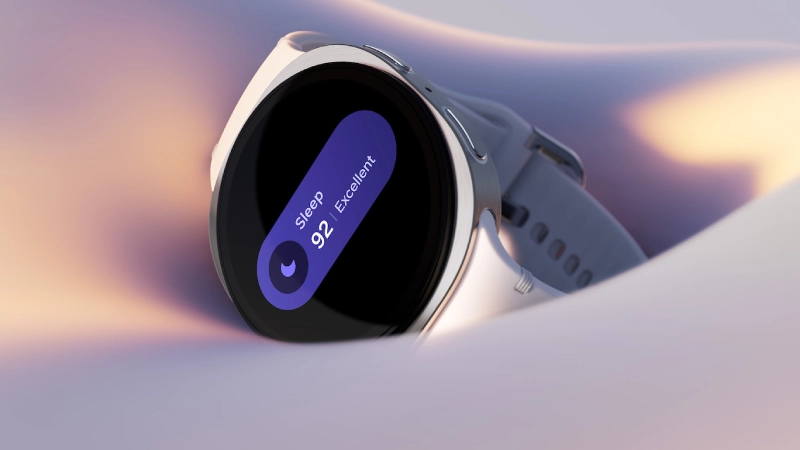
Samsung is said to skip launching a new Galaxy Watch in 2027, after nine years of annual smartwatch launches. According to the South Korean outlet ETNews, the company has decided to move to a two-year hardware update cycle, with the next one expected to come out in 2028.
The decision is related to profitability concerns in Samsung’s Mobile Experience (MX) division and growing chip costs. Samsung will reportedly focus on software updates, health feature improvements, and a new Galaxy Fit fitness band in 2027.
Samsung might have big plans regarding its smartwatch ecosystem. According to the report from South Korean outlet ETNews, the company has decided not to launch any new Galaxy Watch in 2027, switching to a two-year hardware release cycle. The news was covered by Gizmochina on November 23.
Samsung May End Its 9-Year Streak of Annual Galaxy Watch Releases
Samsung has launched a new Galaxy Watch generation every year since the first Galaxy Watch launched in 2018. However, it looks like the company has decided that annual hardware updates are no longer commercially viable.
According to ETNews, Samsung has chosen a biennial release cycle, meaning that we’ll have to wait for the next major Galaxy Watch hardware generation until 2028.
That means that Galaxy Watch 9 and Galaxy Watch Ultra 2, which were launched in July 2026, will remain the most recent Samsung smartwatches next year.
Samsung has not officially confirmed this report yet, which is why this information has to be treated as industry news rather than an official announcement.
MX Division Losses Prompting Cost Cuts
This decision is related to the financial problems in Samsung’s Mobile Experience division. According to ETNews, the division has sustained losses in the last two consecutive quarters, compelling the firm to review production levels, product releases, and expenditures.
With application processors and memory chips becoming more expensive, manufacturing phones and wearables has become more costly. The term used by the industry for this situation is “chipflation,” which means the increase in the price of semiconductors.
Samsung is said to be reconsidering its phone production plan too. Production of its less profitable Galaxy A-series of phones has been cut by around 20% against previous expectations. On the other hand, production of more profitable Galaxy S27 Pro and Ultra phones will account for about 70%.
It seems that the plan with the smartwatch is similar as well—the idea is to save on the costs of research and development related to the annual release of new hardware.
Slowed Growth of the Smartwatch Market Increases the Pressure
One more reason for the above-mentioned decision is the slowed growth of the global smartwatch market. Based on Counterpoint Research numbers mentioned in ETNews, Samsung had approximately a 7% share of the global smartwatch market last year, taking fourth place, while Apple held 23%.
Moreover, the report claims that the Galaxy Watch 9 received a worse-than-expected response in the market after its price was increased due to the rise in component costs.
Now that hardware innovation for smartwatches is becoming more mature, it is getting harder for manufacturers to convince customers to purchase a new watch every year.
The decision to extend the product life cycle can allow Samsung to have more time to develop meaningful hardware innovations without the stress caused by frequent releases.
Software Innovations and Health Monitoring Capabilities to Make Up for the Loss
It should be noted that despite the plans to stop releasing new Galaxy Watch hardware in 2027, Samsung’s wearables ecosystem won’t stand still.
Instead, the company can focus on updating the firmware and introducing health monitoring capabilities into its Galaxy Watches.
This strategy can help Samsung keep engaging customers without releasing a completely new generation of smartwatches. It can give current customers enough incentives to continue using their devices.
Galaxy Fit Fitness Band to Replace the Missed Watch Launch
Apart from that, Samsung is allegedly going to launch a new Galaxy Fit fitness band in 2027. The relatively lightweight device is expected to address customers who need a cheaper option compared to the full-featured smartwatch. The low price and simplified design could allow Samsung to continue addressing the market.

Final Thoughts
The news about Samsung planning not to release the next iteration of the Galaxy Watch in 2027 can be viewed as quite a significant development in its wearable strategy.
Following the annual pattern set from 2018 onwards, Samsung may decide to introduce a two-year cycle for its hardware because of soaring component costs and profitability concerns.
Current Galaxy Watch users could benefit from Samsung focusing on software updates and more health options to make their devices more useful for a longer time.
On the other hand, a Galaxy Fit band will become a cheaper option for those who want basic fitness tracking.
But it should be noted that Samsung has not officially commented on this issue yet. Should the ETNews report be true, Samsung might have to wait until 2028 to introduce its next big Galaxy Watch hardware update.
(Source)