Huawei has been found guilty of conspiracy to steal trade secrets and bank fraud, but not guilty of the more serious overarching racketeering charge in a landmark trial in the US.
In a two-month trial, prosecutors accused the Chinese technology and telecommunications giant of lying, cheating and stealing to gain any competitive advantage.
Huawei’s defence team argued that prosecutors had decided Huawei was a criminal organisation and built its case from there, but the firm’s success was due to its own innovation.
In a statement, Huawei said the racketeering acquittal “confirms that these allegations lack factual basis and vindicates our consistent position over the past eight years”.
Jurors in a Brooklyn court found Huawei guilty of 10 out of 12 counts, which also included conspiracy to violate US sanctions.
However the jury declined to convict Huawei of the racketeering conspiracy charge, which required members to find the firm acted like a criminal enterprise.
Federal prosecutors first announced the charges against Huawei in 2019, after the dramatic arrest in late 2018 of senior executive Meng Wanzhou in Canada.
Meng, also known as Cathy Meng, was held for three years in Canada before she was released to return to China through a deal with US prosecutors.
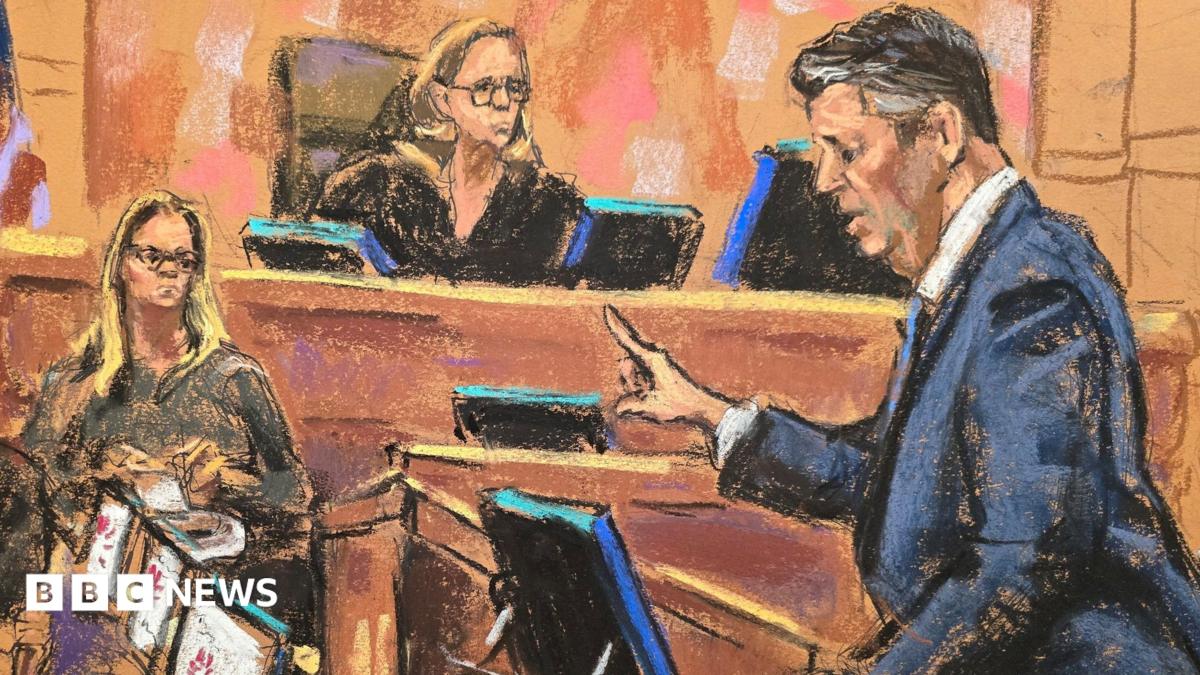
During closing arguments last week, assistant US attorney Meredith Arfa told jurors Huawei spent 20 years doing whatever it took to expand its business, including lying to banks about its business dealings in Iran and stealing technology secrets from rival firms to ensure it had a competitive edge.
However, defence attorney Brian Heberlig said Huawei had grown into business with operations in 170 countries and more than 200,000 staff through hard work.
Following the verdict, Huawei said the five trade secret-related charges “were all civil matters that were resolved over the past two decades”.
“No court ever found Huawei liable for willful intellectual property misappropriation, and the company was never ordered to pay damages for trade secret misappropriation,” the company said.
“We will thoroughly review the relevant verdicts and take all necessary legal actions to defend our rights and interests.”