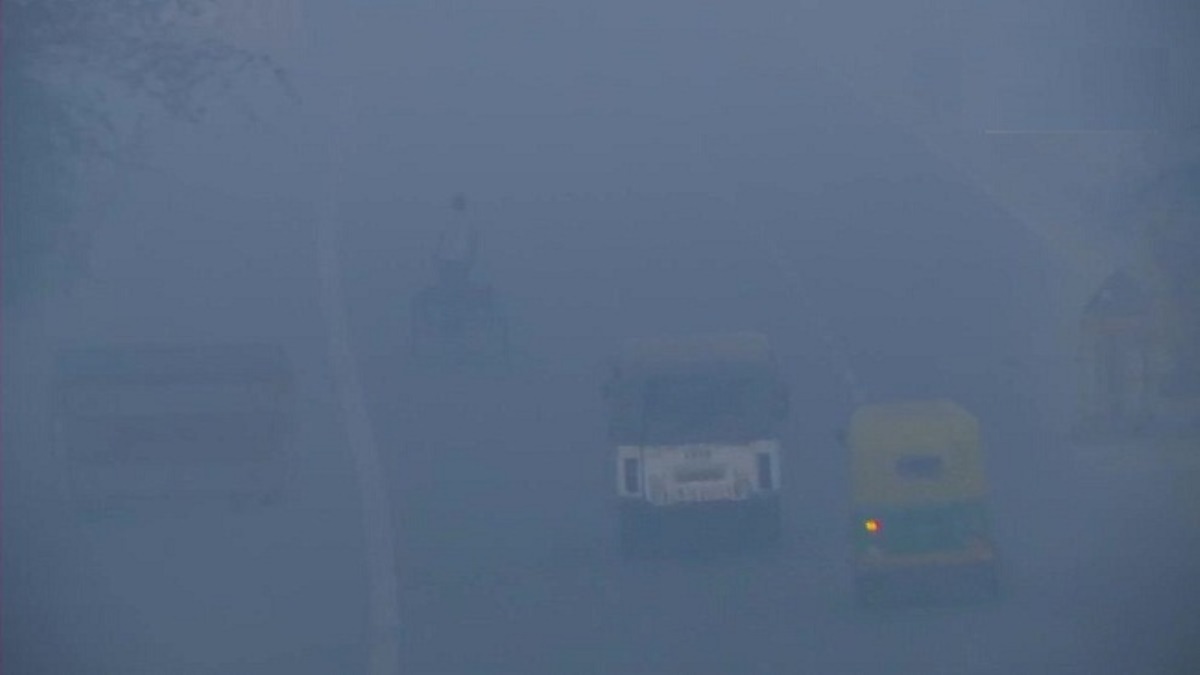
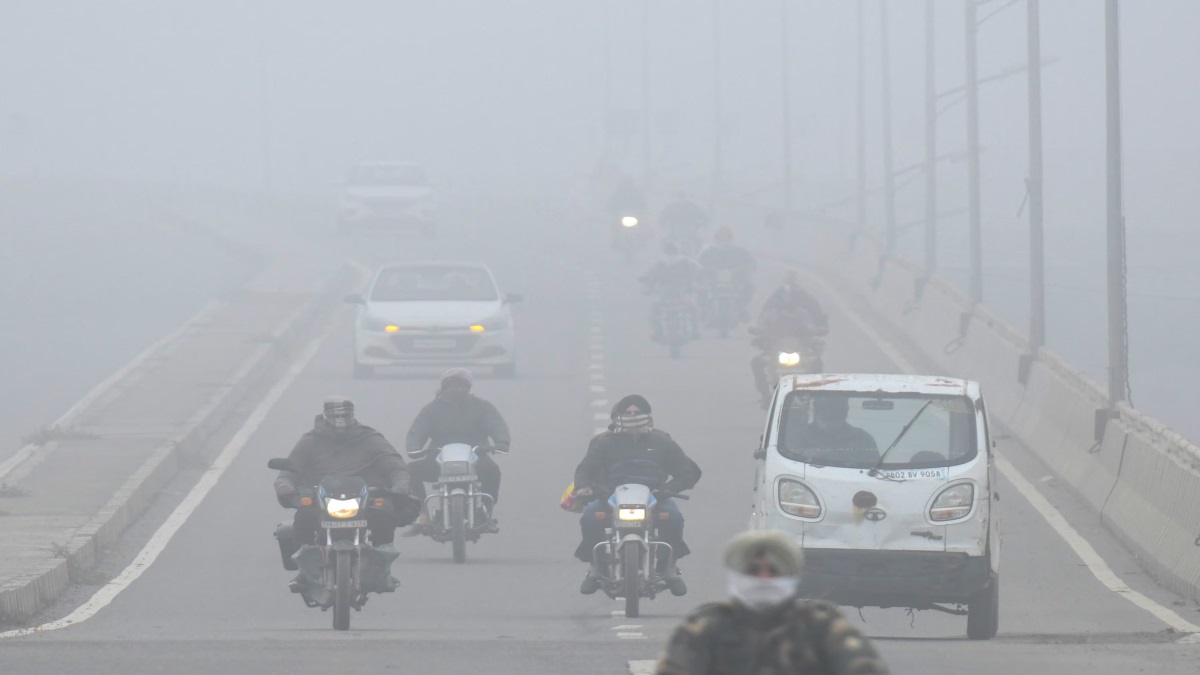
New Delhi. Due to snowfall in the high altitude areas of Jammu and Kashmir, Ladakh, Himachal Pradesh and Uttarakhand, cold has started increasing in the plains. Wednesday was the coldest morning of this season in Delhi. The minimum temperature in Delhi dropped to 10 degrees. Which was 1.3 degrees Celsius less than normal. According to the Meteorological Department, now the cold is going to continue to increase in the plains. There may be dense fog in Delhi, Haryana and Punjab from Wednesday night till November 28. There are chances of dense fog in Himachal Pradesh also.
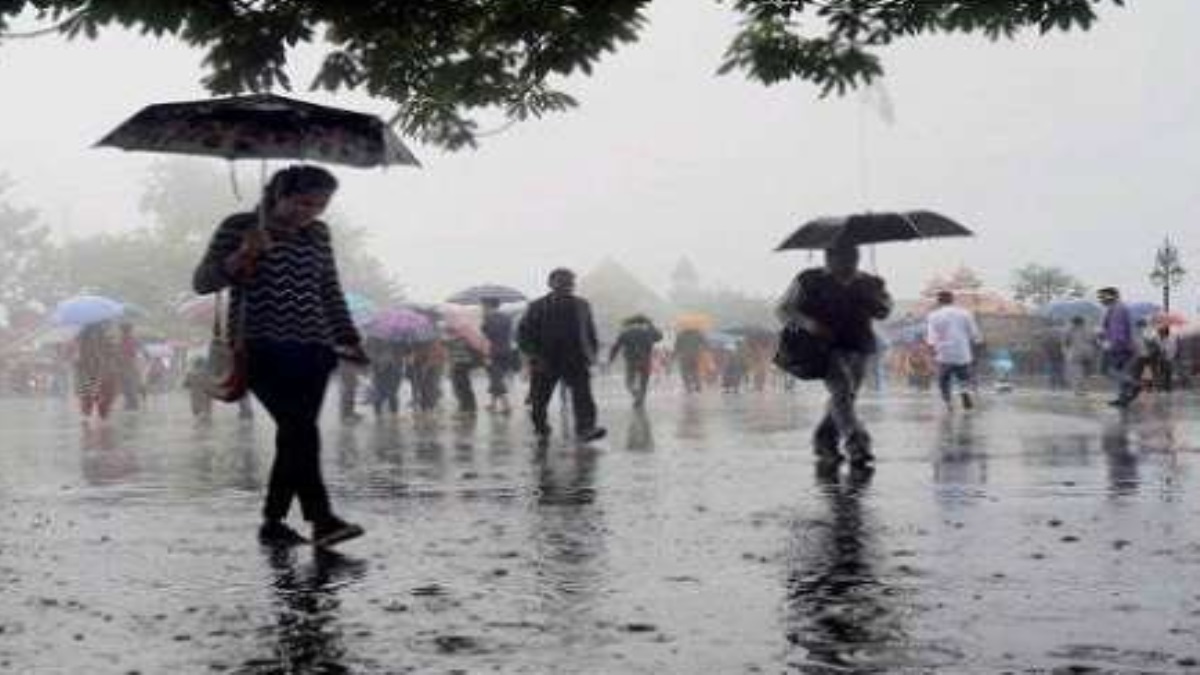
The Meteorological Department has also predicted heavy rains in many states for the next one week. The Meteorological Department has said that from Wednesday to December 1, there will be rain in coastal areas of Andhra Pradesh, Yanam, Rayalaseema, Tamil Nadu, Karaikal. At the same time, there is a possibility of rain in Kerala and Lakshadweep from 26 November to 1 December. There is a possibility of rain in coastal and south interior Karnataka, north interior Karnataka and Telangana from Wednesday to November 28. According to the Meteorological Department, there is a possibility of strong storm and lightning in Tamil Nadu, Puducherry and Karaikal till November 27. Whereas, thunderstorms may be seen in interior areas of Karnataka along with Kerala, Mahe, Coastal Andhra Pradesh, Yanam and Rayalaseema on Thursday.
According to the Meteorological Department, many areas in Assam, Meghalaya, Nagaland, Mizoram, Manipur and Tripura will see rain till November 27. Whereas, there will be no change in the weather in West and Central India. The Meteorological Department had earlier estimated that the effect of El Nino would continue till February 2027. Due to which there will be less cold between December and February this year. During El Nino, the surface temperature of the Pacific Ocean's water increases compared to land. Due to which there is less rain and less cold. However, if western disturbance comes, snowfall and rain in hilly states and plains can further intensify the cold.