
An AI system can look good while it is being built. But once it is live, things can shift. Model drift in production occurs when data used for training may mirror older customer habits, old market trends, and earlier company workflows. After a while, those inputs do not stay the same. Then the model starts to give results that are not as strong as before. Some predictions can become less accurate. Others can feel less helpful. This issue is called model drift.
It is a key risk for people who build and run AI tools. Shipping the model is not the final step.
Teams still need to check how it performs.
They also need to watch what is changing in the new data. And they must decide when to step in. Handling drift takes more than a basic accuracy check. It involves data engineering, deployment practices, testing, documentation, and governance. It also helps keep live systems stable when the real world shifts.
Model drift in production
Model drift is when a model’s predictions start to slip or move in a new direction. This happens as the setup around the model changes. Training is done with past data. Sometimes they come from normal shifts in how customers act. They can also come from day-to-day business movements.
The real task is to judge if the shift was expected. You also need to see if it changes results at all. If it does, then you decide if the model needs fixing. Teams that run models in the real world should watch them all the time. This should not be treated like a check that ends at launch.
Data drift versus concept drift: what separates them?
Knowing which kind of drift is happening matters. It guides what you do next. Data drift means the incoming data looks different from the data used for training. For instance, a loan model might start to see cases come from a different group of customers.
The inputs are not the same anymore. A fraud model that used to catch odd transactions well might do worse later when fraud methods change. The usual warning signs may no longer point to risk in the same way. These issues can show up together.
A model in a live system can see both a new user group and new patterns in the behavior it was built to judge. Teams should also tell drift apart from bad data quality. Missing values can throw things off. A broken data pipeline can break the inputs. Labels can be wrong.
The rest also matters, but these examples cover the main point. Changes in feature math can shift model outputs even when the real world does not change. The goal of monitoring is to spot those mismatches early, before anyone chooses to retrain.
Monitoring after a model goes live
First, teams need to know what success means for that model. They should set goals and pick numbers to watch before launch. A baseline should be agreed on, so later results can be checked against it.
For classification work, common measures are precision, recall, accuracy, plus false positive and false negative rates. For regression work, teams often look at mean absolute error or root mean squared error. The best pick depends on the use case and the cost of being wrong.
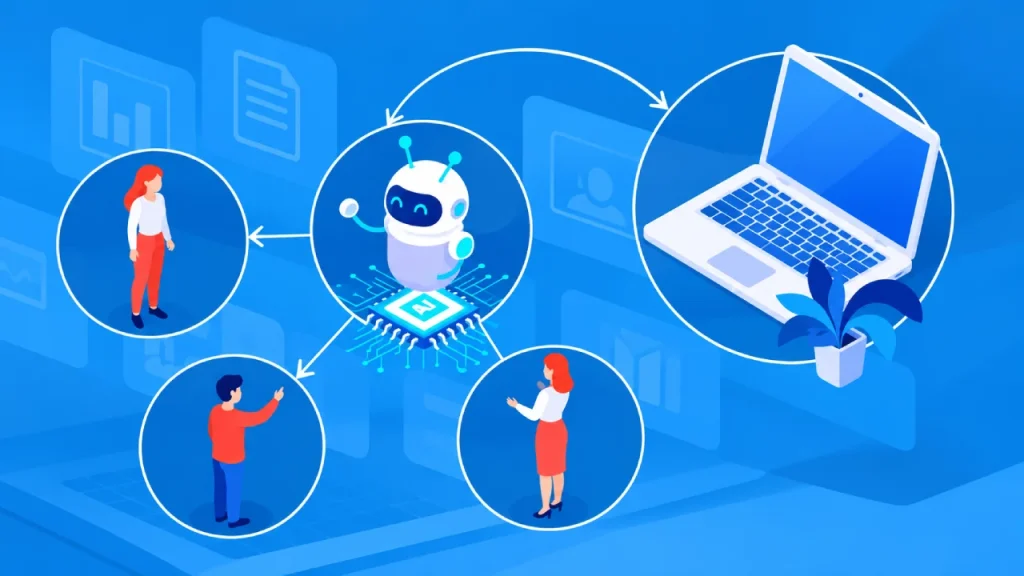
Still, post-launch checks should not use accuracy by itself. In real systems, true labels can show up much later. Some projects get feedback after days or even weeks. Fraud checks, credit risk scoring, and churn forecasts all face this kind of delay. So teams should watch multiple areas at once:
– Input data: feature distribution changes, new missing values, odd value ranges, and strange new categories.
– Prediction patterns: changes in predicted class counts, risk scores, confidence, or recommendation trends.
– System status: time to respond, uptime, processing errors, and resource use.
One alert on a single metric should not mean “replace the model.” Teams should set clear thresholds, compare to past runs, and follow a set investigation path to judge if the shift is real drift or just a data change.
Final Thoughts
Model drift is normal when an AI system runs in the real world. The data pattern can shift. People can use the product differently. The links a model learns may stop matching what is happening now. So a model that looks good in testing may not stay that way forever.
AI teams should treat this as an ongoing job. They need to watch what happens in production. Governance matters too. Teams should not only watch scores on dashboards.
They also need to look at what users experience. They should tell the difference between true drift and plain data problems. Rollback plans should be clear and ready to use. The point is not to stop every shift in model output. The point is to spot the important shifts early. Then respond appropriately.
(Source)