
Methi parathas are a winter favorite for me, but the bitterness of fresh fenugreek leaves can sometimes be a little too overpowering. While the leaves give the parathas their signature flavor and aroma, too much bitterness can take away from the overall taste in the parathas. If you have been trying to fix this by adding more spices or other ingredients, there is a simpler step you can try first. Before you make your methi parathas this winter season, read on to know a simple trick that might help reduce bitterness in the parathas and make your winter meals fresh and wholesome.
ALSO READ | How To Make Traditional Rajasthani Besan Methi Paratha At Home
Why Is Fenugreek Bitter?
Fresh fenugreek leaves naturally contain compounds that give them their characteristic bitter flavour. While many people enjoy this slight bitterness, it can become overpowering when the leaves are particularly mature or used in large quantities.
How Does Salting Methi Help?
Salt draws moisture out of chopped fenugreek leaves. As the leaves release water, some of their bitter-tasting compounds may also leach into the liquid. Discarding this released moisture can help make the fenugreek taste milder.
How To Do It
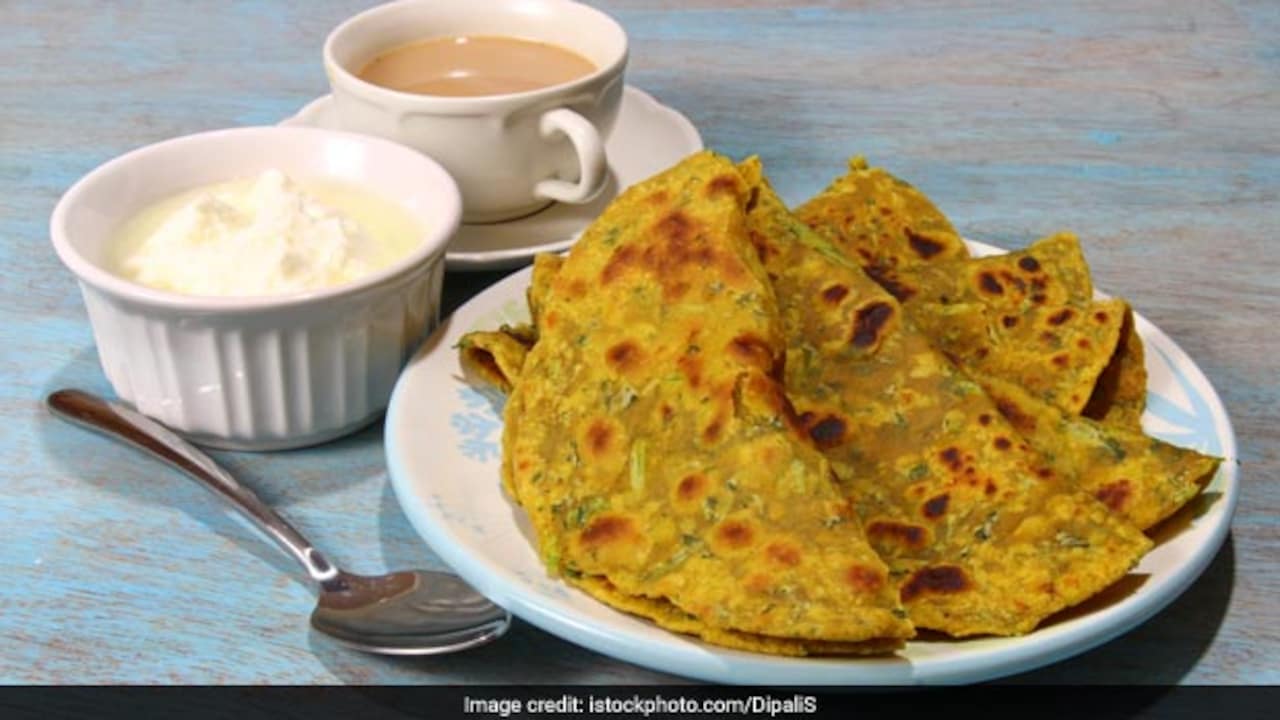
1. Separate the fenugreek leaves from the thick stems and wash them thoroughly.
2. Chop the leaves and transfer them to a bowl.
3. Sprinkle a little salt over them and mix well.
4. Let them rest for around 15-20 minutes.
5. You will notice that the leaves release some moisture.
6. Squeeze out the excess liquid before adding the methi to your paratha dough or filling.
ALSO READ | Makki Methi Mooli Paratha: A Simple Way To Make This Winter Favorite
A Few Things To Keep In Mind
* Don't add too much salt: Remember that you will also be seasoning the paratha dough or filling later.
* Don't skip squeezing the leaves: Discard the released liquid instead of adding it back to the preparation.
* Use the leaves promptly: Once squeezed, add them to your dough or filling.
This simple step can help mellow the bitterness of fenugreek without taking away its characteristic flavour. It is also an easy way to prepare the leaves before using them in parathas, theplas or other methi-based dishes.