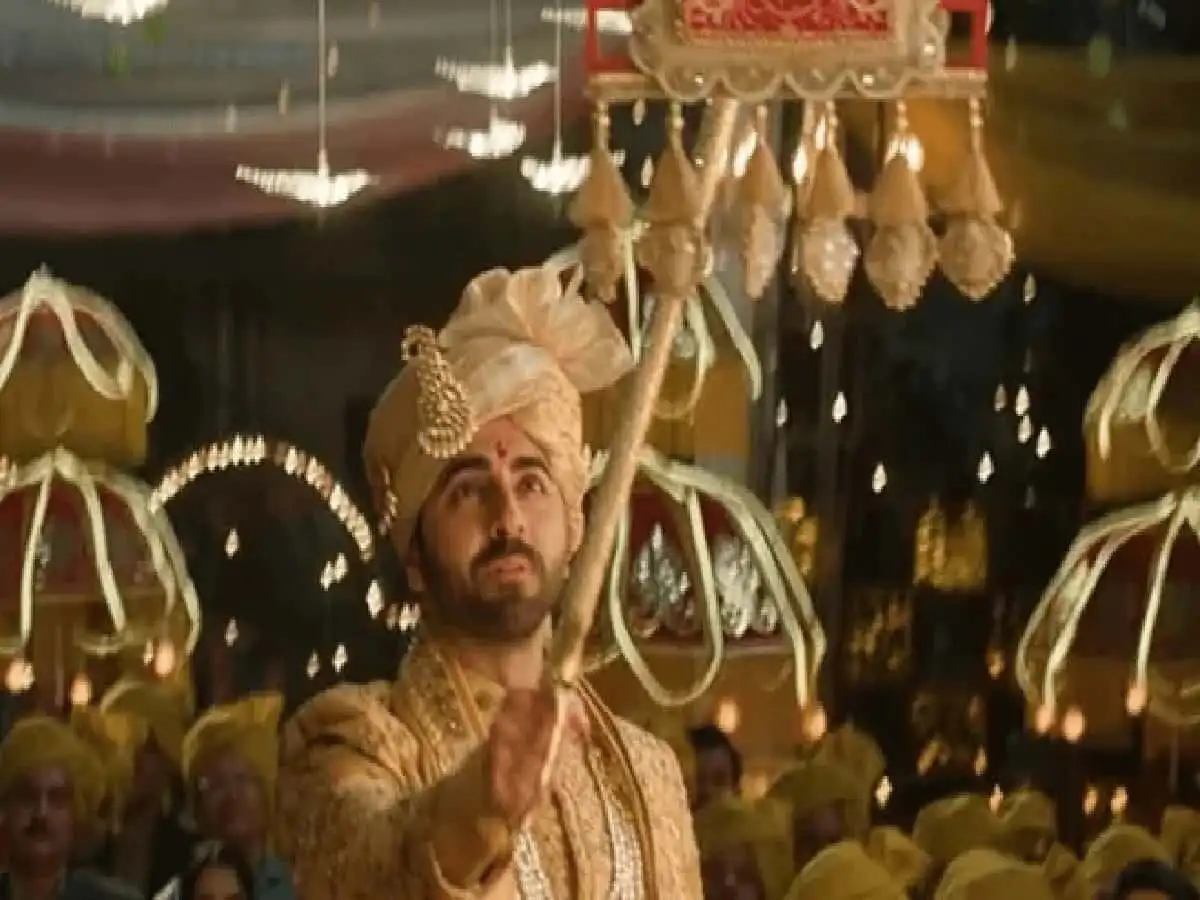
For over three decades, filmmaker Sooraj Barjatya has defined Hindi cinema’s quintessential family drama—celebrating joint-family warmth, traditional rituals, and enduring romance across classics like Maine Pyar Kiya, Hum Aapke Hain Koun..! and Hum Saath Saath Hain. With his latest theatrical release Yeh Prem Mol Liya, hitting cinemas on Friday, November 27, 2026, starring Ayushmann Khurrana as Prem and Sharvari as Poorva, Barjatya brings a fresh question to the heart of Rajshri storytelling: what happens when a groom takes the traditional wedding vow of household responsibility literally and chooses to move into his bride’s home alongside his family? In a candid conversation alongside Sharvari, the director revealed that the seed of the story emerged nearly two years ago while reading scriptures about the ‘Toran’ ceremony—a customary Rajasthani wedding ritual in which the groom, seated on a horse, touches the decorative toran hung above the bride’s doorway with his sword. Reflecting on how he had once performed the ritual himself without grasping its deeper pledge—that from that moment onward, the responsibility of the bride’s household becomes his—Barjatya wondered what would unfold if a young man understood that promise beforehand and fought through every obstacle to honor it. Along the way, Barjatya also laughed about why his conservative Marwari family insisted he get married at 21 before stepping behind the camera as a director, while Sharvari opened up about carrying Rajshri’s iconic heroine legacy and redefining quiet, grounded strength. For moviegoers, families, and cultural readers across Uttar Pradesh—including audiences in Lucknow and neighboring centers such as Unnao, Kanpur, Prayagraj, and Varanasi, where traditional wedding customs and Rajshri family dramas strike a deep chord—Barjatya’s behind-the-scenes reflections illuminate the cultural roots powering his newest release.
| Topic / Question | Sooraj Barjatya & Sharvari's Insights |
| Origin of 'Yeh Prem Mol Liya' | Inspired 1.5–2 years ago by scripture readings on the ‘Toran’ ritual, where touching the bride’s doorway toran with a sword signifies taking responsibility for her household. |
| Core Premise & Prem’s Question | Poorva (Sharvari) lives by clear family commitments without pressuring Prem (Ayushmann Khurrana), prompting Prem to ask which scripture says only a woman must leave her home after marriage. |
| Meaning of the Title | Conveys that true love is earned through time, patience, and effort—giving relationships the same dedication people invest in careers. |
| Why Barjatya Married at 21 | Coming from a traditional Marwari family where nobody had worked as a film director before, elders worried an uncertain film career might hurt marriage prospects and insisted he marry at 21 first. |
| Sharvari on Poorva & Rajshri Legacy | Views Poorva as principled rather than merely rebellious, noting that Rajshri heroines combine emotional vulnerability with clear personal conviction. |
Explaining the genesis of the script, Sooraj Barjatya shared that reading about the Toran ritual stopped him in his tracks. In wedding traditions where the groom touches the toran at the bride’s entrance with his sword, the gesture symbolizes accepting lifelong responsibility for that home—yet over time, it often became a ceremonial formality. Barjatya built Yeh Prem Mol Liya around a hero who treats that pledge seriously. Rather than Poorva demanding that Prem uproot himself, she simply stands firm by her own boundaries and responsibilities toward the women in her family; it is Prem who challenges convention by asking why only a daughter is expected to leave her home after marriage. For Barjatya, the title—coined during musical discussions with composer Himesh Reshammiya—captures the price of genuine love: investing patience, humility, and daily effort into relationships just as seriously as professional ambition.
Looking back on his own early marriage, Barjatya recalled that in traditional Marwari households decades ago, families were hesitant to marry daughters into the film industry, especially when no one in his own family had previously worked as a director. Concerned that an unpredictable career path might complicate his future, his family laid down a lighthearted condition: get married first at 21, and pursue direction afterward. Opposite him in the conversation, Sharvari reflected on stepping into Rajshri’s storied lineage of memorable heroines, noting that she gravitates toward scripts capable of sparking meaningful household conversations. Speaking about women’s empowerment and the contrast between “alpha” and traditional traits, Sharvari pointed out that the emotional openness seen in Sooraj Barjatya’s female characters carries its own quiet alpha strength—standing firmly by one’s voice, honesty, and values even through small, everyday choices.