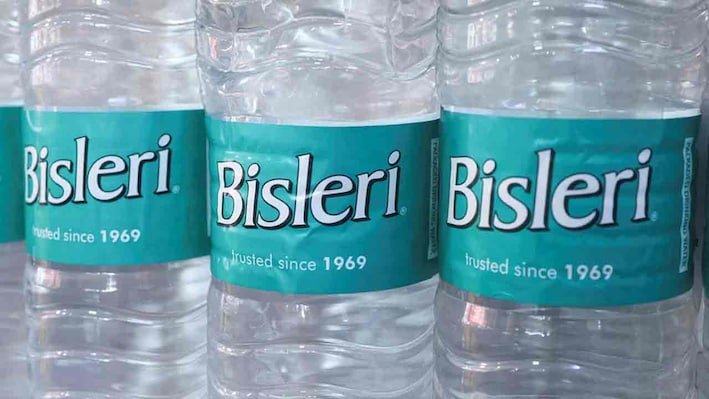
The troubles of Bisleri International, the country's largest packaged drinking water brand, are increasing continuously. Just a few days after the water sample of Goa plant failed, now the sample of bottled water taken from Bisleri's manufacturing plant in Jalpaiguri, West Bengal has also failed in the lab test. Taking this matter very seriously, the Food Safety and Standards Authority of India (FSSAI) has given formal approval to take legal action and prosecution against the company. The approval of prosecution against the same leading brand from two different states of the country within the same week has increased the concern of crores of common consumers drinking bottled water. From Delhi, Mumbai, Kolkata and Bengaluru to Lucknow, Patna and Jaipur, people who buy bottled water in the name of pure water for daily travel and at home are now raising serious questions about its quality.
According to official sources of the food regulatory agency, this latest case is related to Bisleri's bottling plant located in Telipada village of Jalpaiguri district of West Bengal. During the inspection, a sample of packaged drinking water was collected from this plant and sent for testing. The presence of 'Coliform bacteria' in this water sample has been confirmed in both the primary laboratory and subsequent referral food laboratory. According to health experts and scientists, detection of coliform bacteria in drinking water is a very dangerous sign. This bacteria usually enters water due to sewage leakage, damaged pipelines or gross negligence in the water purification process. After the lab report came out, FSSAI had banned the sale of the concerned batch number PB 201 with immediate effect on 12 August 2026. Now approval has been given to prosecute the company for violation of rules under the Food Safety and Standards Act, 2006.
This case of West Bengal has come to light at a time when, just a few days ago on November 22, FSSAI had given approval to prosecute over the failure of samples of Bisleri plant located in Verna Electronic City, Goa. In that case in Goa, preliminary testing of water of batch number GO 270 had found bromate in excess of the prescribed limit. After the company's appeal, when the sample was sent to the referral lab, the investigation there confirmed the presence of extremely harmful elements like polynuclear aromatic hydrocarbons (PAH) in the water. In medical science, both bromate and PAH are classified as carcinogenic chemicals with potential to cause cancer. In that case also, the regulator had banned the sale of the concerned batch and directed the company to find out the root cause.
Bisleri International has given its stand on the ongoing regulatory actions saying that its products are completely safe for consumption. According to the company, more than 90 quality tests are conducted across 10 stages of production and it is fully cooperating with the regulator in the investigation. At the same time, FSSAI has clarified that the action of Bengal and Goa is related only to the specific batches identified and all the products of Bisleri have not been banned in the entire country. However, keeping in mind the health of common citizens, FSSAI CEO Rajit Punhani has launched a massive investigation campaign against packaged drinking water and mineral water companies across the country. Food commissioners of all states have been instructed to take random samples from the market and get them thoroughly tested in the lab. Along with this, preparations have also been made to crack down on companies selling fake bottled water by using names and labels similar to big brands.
After this entire incident, it has become extremely important for common consumers to be extra cautious while purchasing bottled water. Before buying a water bottle from a shop or railway station, check the FSSAI license number and ISI mark printed on it. The seal of the bottle cap should be completely secure and the batch number and expiry date written on it should be carefully checked. If you feel any strange smell or taste in the water, stop consuming it immediately and lodge your complaint on the toll-free number or official portal of the Food Safety Department.