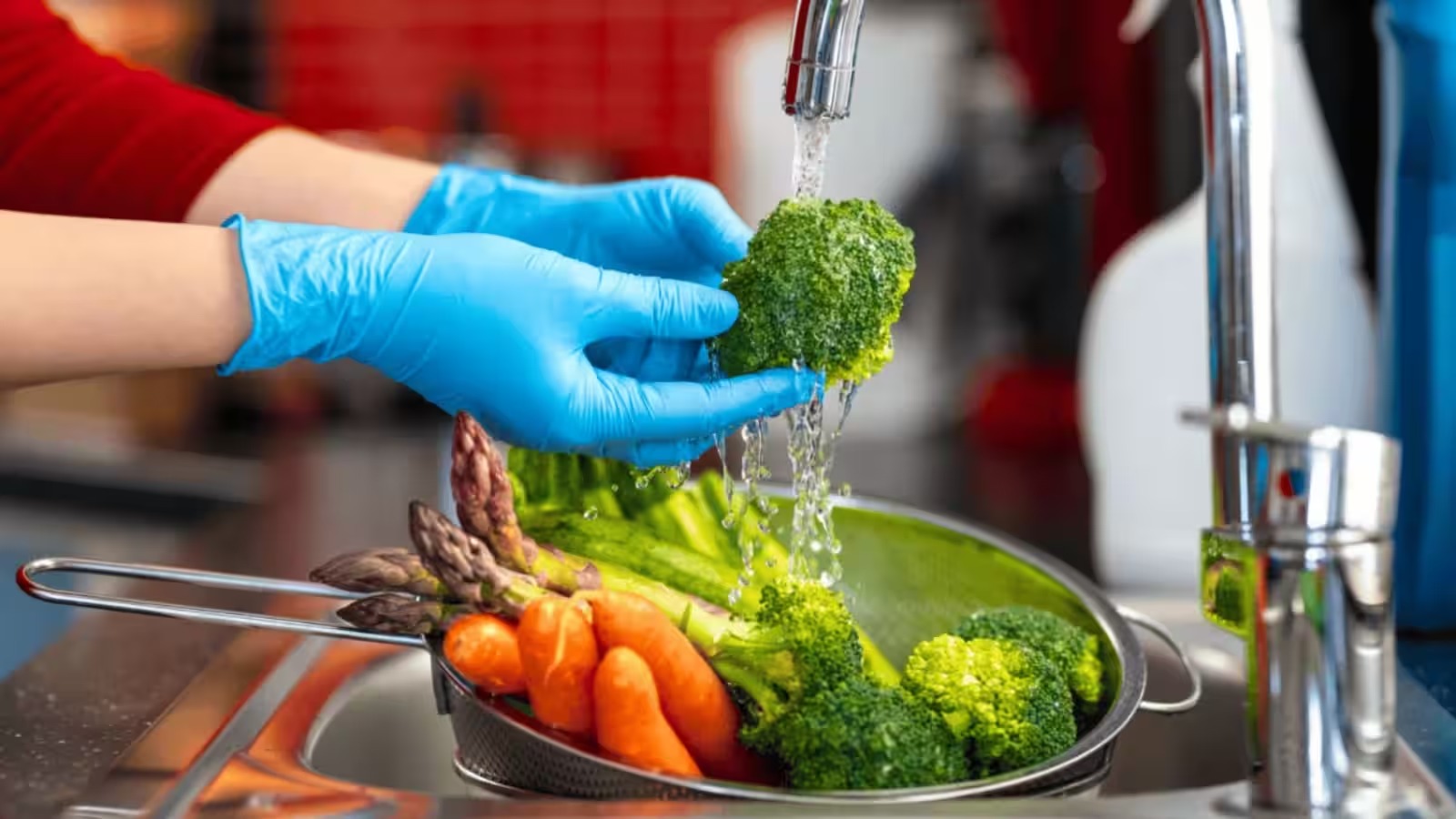
Food safety really begins long before the stove is lit in the kitchen. Often people believe that by cooking on high flame or for a long time, all types of microorganisms present in the food will be destroyed and the food will become completely safe. But according to food safety experts and nutritionists, carelessness at every stage from purchasing raw materials to washing, cutting, storing and preparing for cooking can take a toll on health. If basic hygiene and safety habits are incorporated into the daily routine before cooking, the risk of foodborne illnesses, stomach infections and many digestive problems can be reduced to a great extent. Why pre-cooking habits decide the direction of health? The process of making food safe starts right from bringing ingredients from the market or storing them at home. Many times, keeping vegetables, fruits, grains, meat or dairy products at the wrong temperature or in unsafe conditions can cause bacteria, mold or other contaminants to grow in them. Additionally, if care is not taken to wash hands, clean utensils, and keep ingredients separate before cooking, microorganisms from raw ingredients can reach prepared or ready-to-eat foods. Experts call this cross-contamination, which is a major cause of many common kitchen mistakes. Precautions for cleaning raw materials, cutting boards and storage: Washing fruits and vegetables thoroughly with clean running water before cutting them is considered the first and most important habit. Items such as leafy vegetables, grapes, tomatoes or cucumbers may have soil, dust or surface residue on them, which can leach into the food if cut without cleaning. Caution should also be taken while using cutting boards and knives. It is considered safe to use separate boards or knives for raw vegetables and raw meat or fish, or to wash them thoroughly with soap and hot water after each use. At the same time, it is also important to keep the food items in the refrigerator covered and in the correct containers and to remove spoiled or stale items on time. Hand Hygiene and Regular Cleaning of Kitchen Surfaces Washing hands thoroughly with soap and water for at least 20 seconds before starting food preparation is a simple but extremely effective habit. After touching a mobile phone, holding a door handle, opening packaging or handling garbage, germs can come on hands, which can directly contaminate food. Cleaning the kitchen slab, area around the gas stove, sink and cloth or sponge is equally important. Wet and long-used kitchen sponges or wiping cloths can cause bacteria to grow rapidly due to moisture, so they should be washed or changed regularly. Changing food safety awareness in Lucknow, Kanpur, Varanasi and across the country From cities of Uttar Pradesh including Lucknow, Kanpur, Varanasi, Prayagraj and Gorakhpur to Delhi-NCR, Mumbai, Jaipur and Bhopal, awareness about food safety is increasing amid changing eating habits. Amidst urban busyness, online delivery and increasing trend of eating loose or packed food items, people have become more conscious about cleanliness in the home kitchen. Experts say that food items can spoil rapidly due to change in weather, humidity and hot days, hence it is very important to pay attention to the freshness, smell and texture of the ingredients before cooking. The safest option is to avoid using any suspicious or spoiled material. The road ahead and the impact of small changes in kitchen routines What matters most for food safety is everyday consistency rather than expensive equipment or complicated rules. Habits like clean hands, washed ingredients, separate and clean utensils and proper storage together make the kitchen safer. Public awareness regarding nutrition, sanitation and preventive health is expected to deepen in the coming times. For now, these small habits adopted before cooking create a strong foundation to safeguard the health of the family.