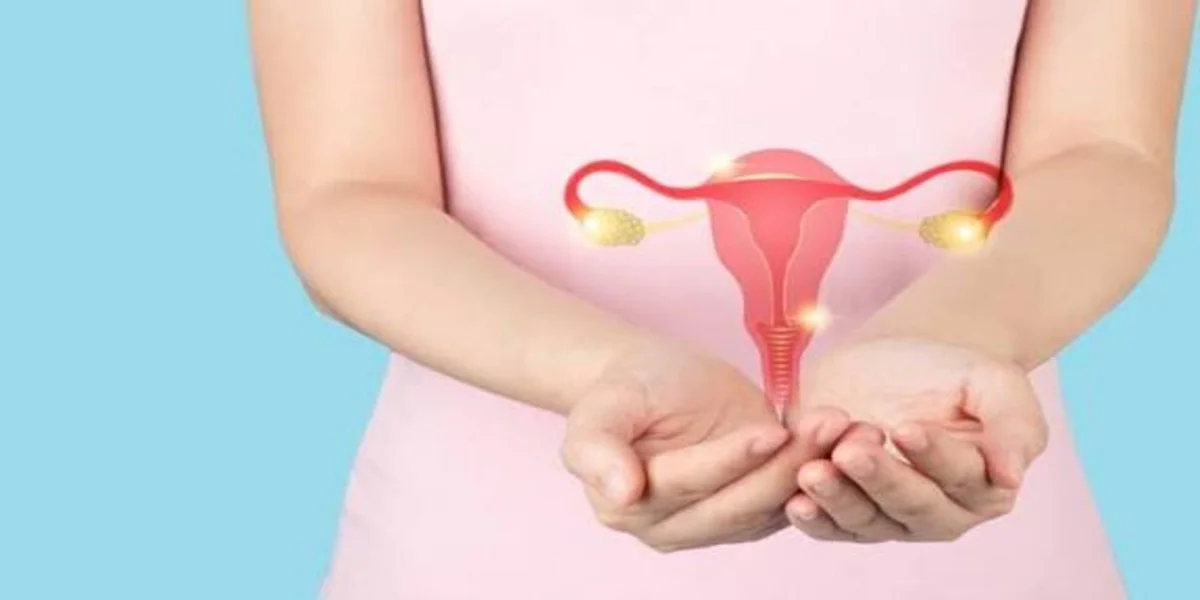
Lifestyle: Do your periods sometimes come on time, and sometimes do you have to wait for months? Are pimples increasing on your face or unwanted hair starting to appear on your chin? Such symptoms may be associated with PCOS i.e. Polycystic Ovary Syndrome. However, there can be other reasons for these symptoms, so it is important to consult a doctor for proper diagnosis.
According to the World Health Organization (WHO), about 10 to 13 percent of women of reproductive age are affected by PCOS. This problem is not limited to periods only, but can also affect hormones and metabolic health. In such a situation, it is important to pay attention to some everyday habits. Let us know about 5 such mistakes which women suffering from PCOS should avoid.
1. Considering PCOS only as a problem of periods
Many women consider irregular periods to be the only symptom of PCOS. Whereas it can also affect the hormones and metabolism of the body. Problems like insulin resistance, weight gain, acne and unwanted facial hair are also seen in some women. Therefore, PCOS should not be ignored merely on the basis of regular periods.
2. Skipping meals to lose weight
In case of PCOS, skipping food or completely stopping eating bread and rice is not the right way to lose weight. The body needs adequate nutrition. Include green vegetables, proteins, whole grains, fiber and healthy fats in your diet. Instead of adopting a crash diet, focus on a balanced diet.
3. Staying away from exercise
Lack of physical activity can also affect health. Regular exercise can help improve insulin sensitivity and metabolic health in PCOS. For this it is not necessary to spend hours in the gym. You can adopt activities like walking, cycling and swimming daily. In general, 150 to 300 minutes of moderate exercise and strength training at least two days a week is considered beneficial.
4. Postponing important health checkups
PCOS may also be associated with insulin resistance and an increased risk of type-2 diabetes. Therefore, it is important to check blood sugar, blood pressure and cholesterol from time to time. How often to get tested, the doctor can decide according to your condition.
5. Not tracking PCOS symptoms
It is useful to keep a record of when the periods came, how many days they lasted, when the acne increased and how much the weight changed. For this, you can take help of your phone's calendar or period tracking app. This will make it easier for the doctor to understand your condition and decide treatment. Also avoid taking hormonal medications or supplements without medical advice.
Important advice: Symptoms of PCOS may differ from woman to woman. Consult a gynecologist for correct diagnosis and treatment. Don't draw your own conclusions about the disease based on symptoms alone.