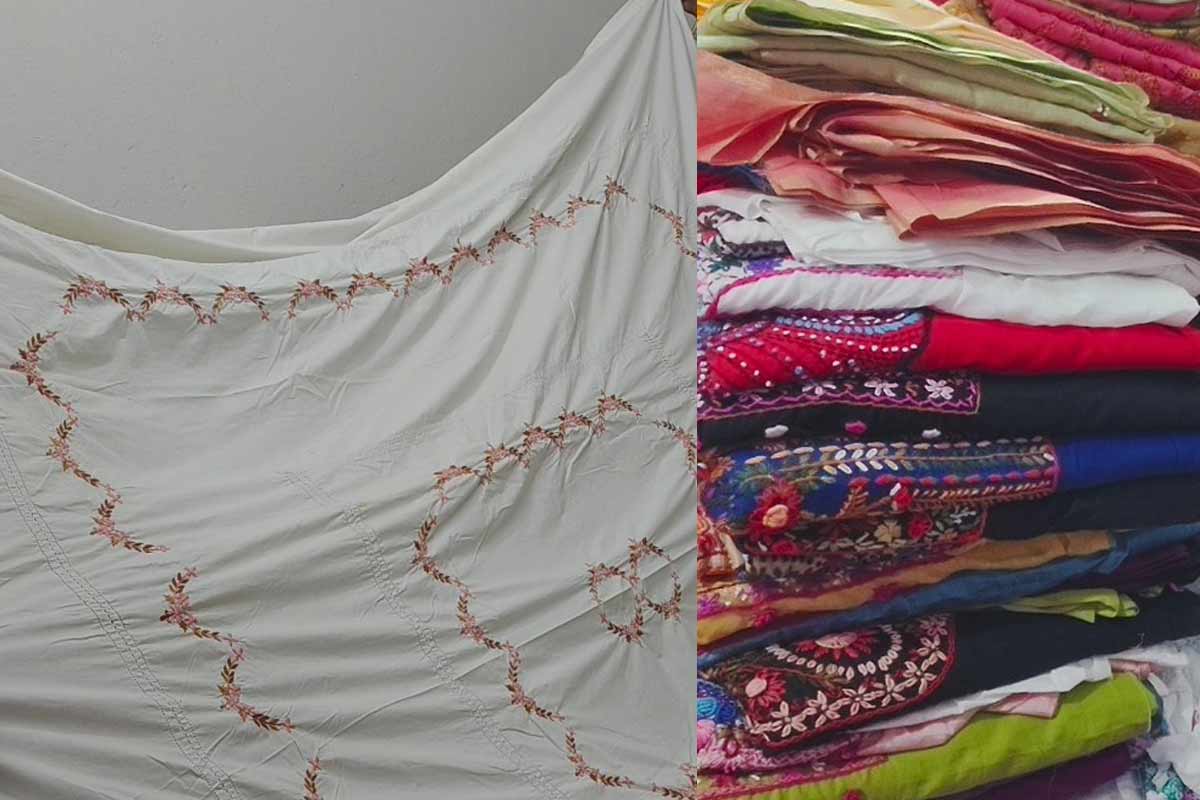
Chikankari or Chikan work in short is an aesthetic design created by pulling fine thread on white or colored cloth. The beauty and nobility of this embroidery art is still popular with men and women alike. But when most people think of chicken, the name of Lucknow comes to mind first. But Babnan village of Polba Dadpur in Hooghly district of Bengal also has a long history, tradition and rich commercial identity of this industry, which is still unknown to many. You will be amazed by the beauty of this embroidery.
According to conventional history and the claims of local artists, this embroidery reached Lucknow through the hands of Babnan's Chikan art. Even though Lucknow Chikon got GI recognition in 2008, Babnan's Chikon has been denied the recognition till now despite its tradition and commercial importance. This time a new initiative has been taken to give GI recognition to this industry. Apart from Babnan, many people are associated with this industry in different regions of Hooghly, Howrah and Burdwan. The fine cloths made here are sold in different parts of the country and exported abroad as well. At present GI recognition has been applied for three special embroidery techniques of Babnan Chikan – cutwork, jhanj and shadow work stitch. The application process is done under the supervision of The West Bengal National University of Juridical Sciences (WBNUJS). An organization in Chunchura is also actively working to achieve this recognition.
The preliminary report has already been published on the GI website of the Government of India. Artistes and traders are hopeful that the road to recognition will go further after the release of the final report. After a long wait, Babnan's small industry will get government recognition or not, everyone is looking at that. Chikans of Lucknow and Babnan have their own characteristics as well as similarities. Although there are some similarities in the work style and design between the chikan art of Babnan and Lucknow, the embroidery of the two regions has its own characteristics and differences. According to artists, Babnan's work style, finesse and tradition give it a distinct identity. There are precedents around the world where an industry was born in one region and established in another region due to historical and commercial reasons. So along with Lucknow Chikon in Babnan also has its own geographical and historical importance.
If you want to know the history of Babnan chicken, you have to go back several centuries. Empress Nur Jahan, wife of Jagirdar Sher Afghan of Burdwan, Mehrunnisa, wife of Emperor Jahangir, was one of the main patrons of this embroidery art. Historical sources and local folklore suggest that Meherunnisa's patronage and interest in the art led to the spread of embroidery. After moving from Burdwan to Delhi, this embroidery became more popular in the royal court. Later it became known as 'Lucknow Chicken'. It is believed that Meherunnisa must have been introduced to this art of Dhanehali weaving during his stay in Burdwan. The possibility of his familiarity with this art of weaving cannot be ruled out as Sher Afghan had a tribute collection system in the Dhanekhali region.
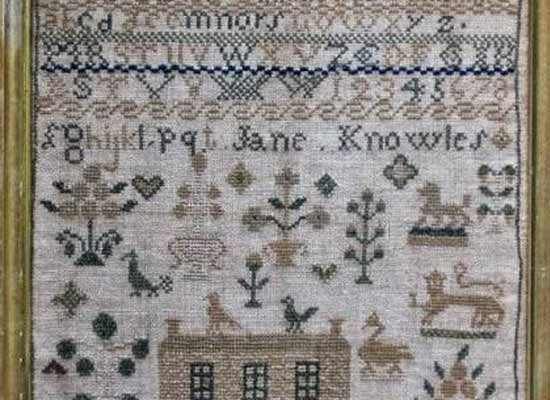
Chunchura entrepreneur Anirban Ghosh, who is involved in the GI recognition of Babnan's chicken, says that the history of Bengal's chicken industry can also be found in literature such as Charyapad and Vaishnava Padavali. According to him, the conventional history of Chikan in Babnan is related to Jagirdar Sher Afghan of Burdwan and his wife Mehrunnisa. Meherunnisa, later known as Noor Jahan, was particularly interested in this embroidery art and took it with her when she moved from Burdwan to Delhi. Later, Chikan art gained popularity from Delhi to Lucknow.
Professor Partha Chattopadhyay of Balagarh College has written a book called 'Bengal Chikon', keeping in view the history and research of this art. In the book, the history, tradition and various facts of the chikan art of Babnan have been presented in detail. The aim of the organization associated with the industry is to make Babnan's Chikon more known at home and abroad and to bring the true craft of this embroidery before the people.