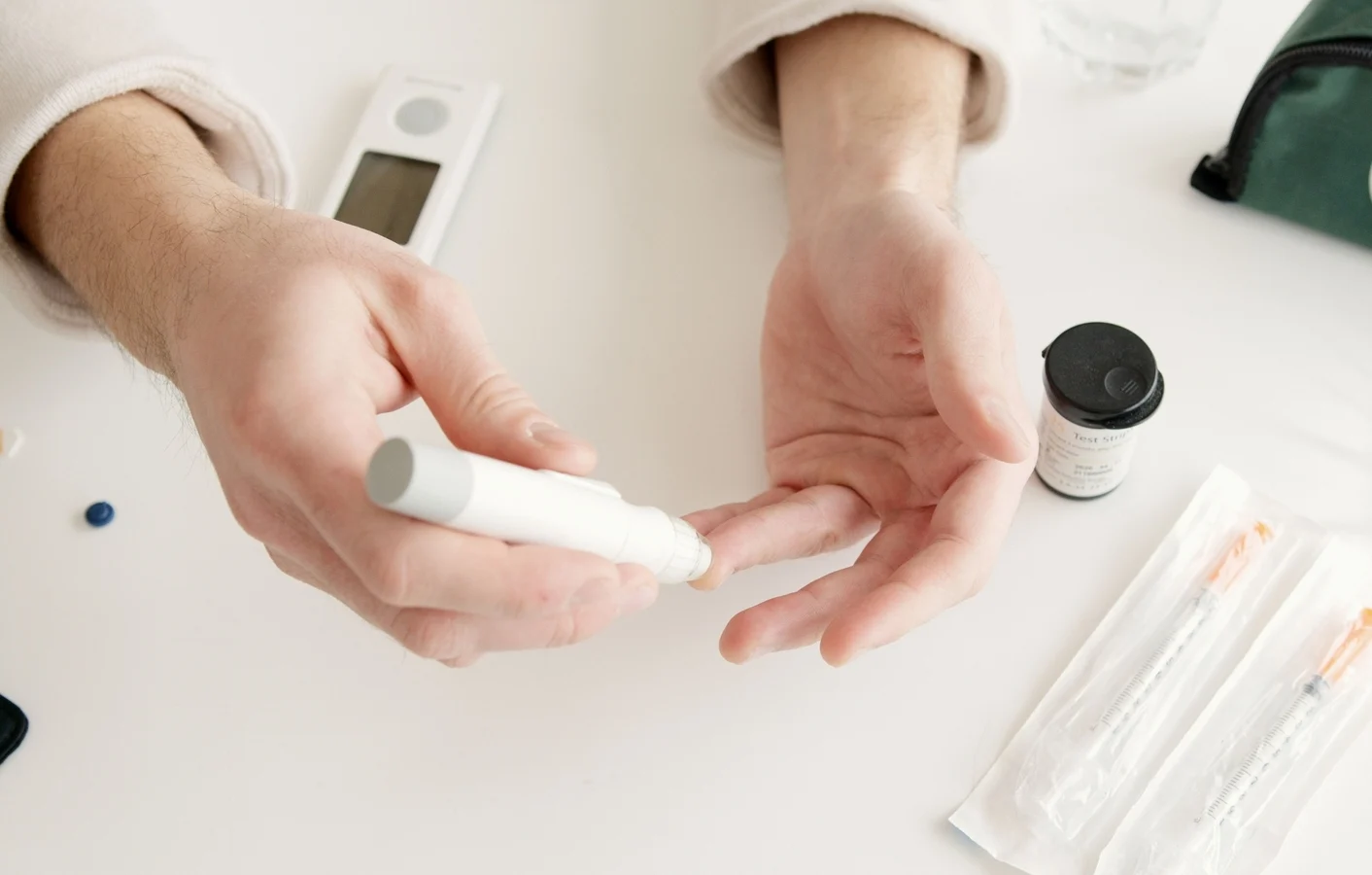
For many people living with diabetes, the suggestion to start insulin injections can be frightening. Some patients believe it means their condition has become severe, while others worry that once they begin taking insulin, they will have to continue it for the rest of their lives.
These misconceptions often create unnecessary fear and may cause patients to delay important treatment, even when their blood sugar levels remain uncontrolled.
However, insulin is an important treatment option for managing diabetes. Starting insulin does not automatically mean that a person’s condition has reached an advanced stage. Understanding the facts behind insulin therapy can help patients make informed decisions about their health.
1. Myth: Starting Insulin Means Diabetes Has Become Severe
Fact: Insulin may be required at different stages of diabetes, depending on a person’s blood sugar levels and pancreatic function.
Type 2 diabetes is a progressive condition. Over time, the pancreas may gradually lose its ability to produce sufficient insulin to regulate blood glucose levels.
In such situations, oral diabetes medications may no longer provide adequate control, making insulin therapy necessary.
Doctors may also recommend insulin when:
- Blood sugar levels are extremely high.
- HbA1c levels are significantly elevated.
- Patients experience excessive thirst and frequent urination.
- There is unexplained weight loss.
- A patient develops an infection or requires hospitalisation.
- Surgery or pregnancy makes tighter blood sugar management necessary.
Insulin is sometimes prescribed temporarily during illness, surgery or pregnancy. Therefore, starting insulin should not be considered a failure of diabetes management or poor self-care.
2. Myth: Insulin Damages the Kidneys and Causes Blindness
Fact: Insulin does not cause kidney damage or blindness when used appropriately under medical supervision.
In reality, uncontrolled diabetes is one of the major risk factors for complications affecting the kidneys, eyes, nerves and heart.
Persistently elevated blood sugar levels can gradually damage blood vessels and important organs.
Insulin helps regulate blood glucose levels and can reduce the risk of complications associated with prolonged uncontrolled diabetes.
Maintaining healthy blood sugar levels, following prescribed treatment and attending regular medical check-ups are important for protecting long-term health.
3. Myth: Once You Start Insulin, You Can Never Stop It
Fact: Insulin is not addictive, and some patients may require it only temporarily.
The duration of insulin treatment depends on several factors, including pancreatic function, diabetes progression and overall blood sugar control.
For example, people who need insulin during an infection, surgery or pregnancy may be able to stop it once their condition stabilises, provided their doctor recommends doing so.
However, some people with type 2 diabetes may need long-term insulin therapy because their pancreas no longer produces enough insulin.
Patients should never reduce or discontinue insulin without consulting their healthcare professional, as doing so can lead to dangerously high blood sugar levels.
Why Is Insulin Important for Diabetes Management?
Insulin is a hormone that helps glucose move from the bloodstream into the body’s cells, where it can be used for energy.
When the body does not produce enough insulin or cannot use it effectively, blood sugar levels increase.
Insulin therapy helps maintain glucose levels within the recommended range and reduces the risk of serious diabetes-related complications.
The goal of treatment is not to avoid insulin at all costs but to choose the right treatment at the right time.
Final Thoughts
Insulin should not be viewed as a punishment or a sign that diabetes treatment has failed. It is an important medical tool that helps millions of people manage their blood sugar levels and maintain a better quality of life.
Patients should avoid believing common myths and should not delay prescribed treatment because of fear or misinformation.
With proper medical guidance, regular blood sugar monitoring, a balanced diet and an appropriate treatment plan, diabetes can be managed more effectively.
Disclaimer: This article is for informational purposes only and should not be considered a substitute for professional medical advice, diagnosis or treatment. Never start, change or stop insulin medication without consulting your treating doctor.