
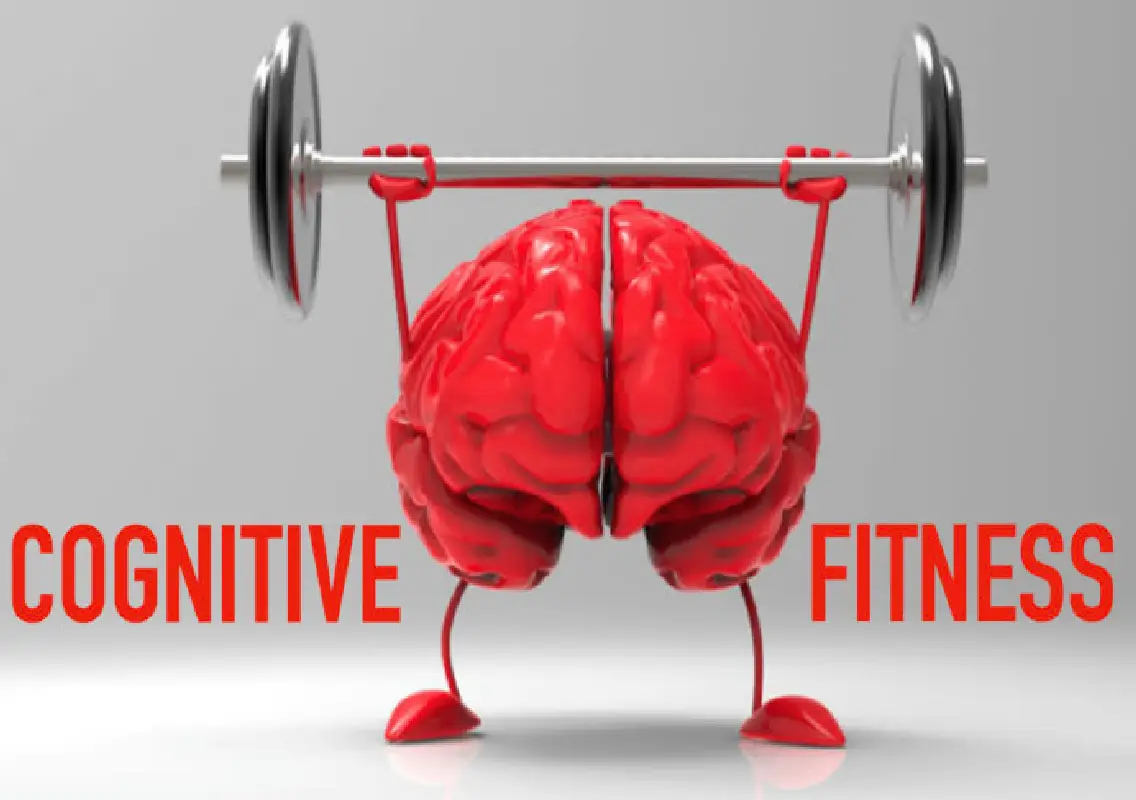

What if protecting your brain was less about supplements and more about strength training? According to Dr Sudhir Kumar, a neurologist at Apollo Hospital, Hyderabad, trained at CMC Vellore, resistance exercise may significantly support long-term brain health.
Citing emerging research, Dr Kumar highlighted a study titled “Randomised controlled trial of resistance exercise and brain ageing clocks”, which suggests that consistent strength training can reduce predicted brain age by up to two years.
Turning back the brain’s clock
The findings indicate that structured resistance workouts may help the brain retain characteristics typically associated with younger individuals. Rather than viewing cognitive decline as inevitable, targeted physical training appears to enhance structural and functional resilience in the brain.
Strength training has also been linked to improvements in executive function, working memory and attention span — abilities essential for planning, decision-making and maintaining focus.
Brain benefits at a molecular level
The neurological impact goes beyond behaviour. Resistance exercise stimulates the release of brain-derived neurotrophic factor (BDNF) and insulin-like growth factor 1 (IGF-1), compounds that support neuron survival, strengthen synaptic connections and promote neuroplasticity.
Research also suggests that strength training helps maintain white matter integrity and reduces chronic low-grade inflammation, which has been associated with cognitive decline and brain fog.
Dr Kumar emphasised that extreme routines are unnecessary. Two to three sessions per week focusing on compound movements such as squats, deadlifts, rows and presses are sufficient. Progressive overload remains key, as the brain adapts when challenged.
The broader message, experts say, is clear: muscle is not merely aesthetic — it plays an active metabolic and neurological role in supporting cognitive resilience.

Comments are closed.