
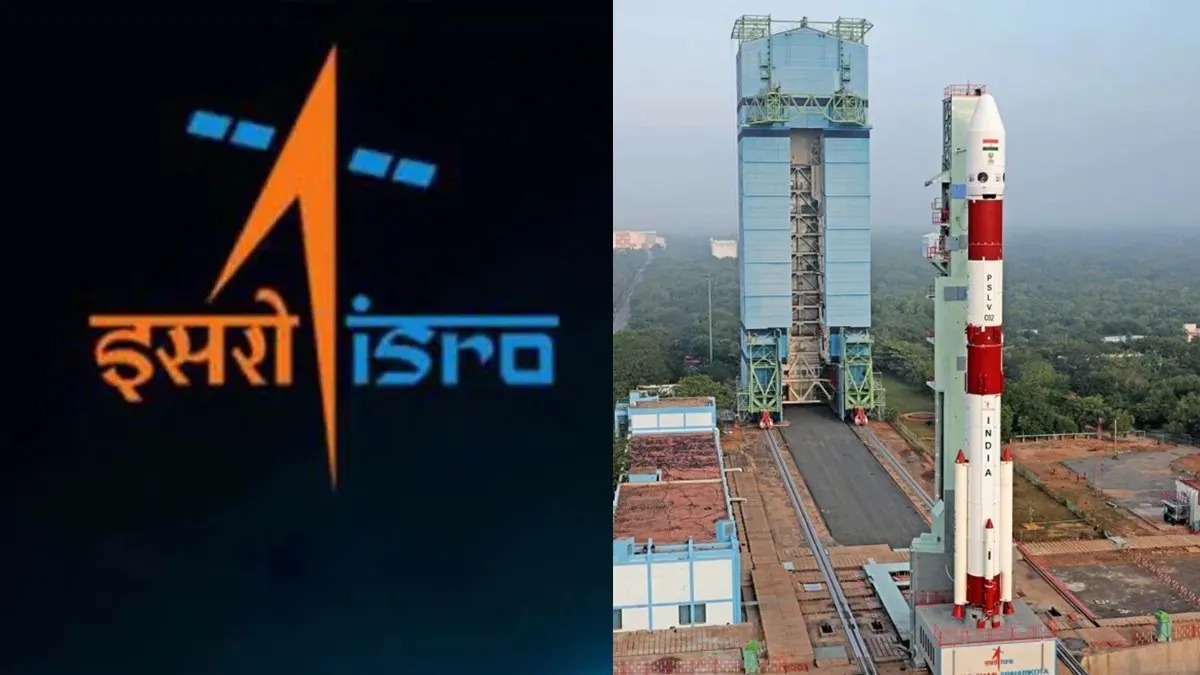

Sriharikota, 12 January 2026: The beginning of the year 2026 has been shocking for the Indian Space Research Organization (ISRO). The PSLV C-62 mission, launched from Sriharikota on Monday, January 12, has failed due to a technical failure at the last moment. Through this mission, India’s state-of-the-art Earth Observation Satellite EOS-N1 (अन्वेशा) was sent into space, but the mission was lost at the end of the third phase.
ISRO had successfully lift-off of PSLV C-62 from the first launch pad of Satish Dhawan Space Center at exactly 10:17 am today. At the time of launching, all the parameters appeared to be normal and the rocket was moving forward as per the automatic sequence. However, as soon as the third phase reached the last stage, a technical glitch occurred in the rocket, due to which the satellite could not be placed in the prescribed orbit.
The main attraction of this mission was the hyperspectral satellite ‘Anwesha’ prepared by DRDO. The failure of this satellite has caused huge loss to the defense sector as it was capable of keeping a close watch on the movements on the border. By identifying the hidden goals of the enemy he could have brought about a revolution. It was also important to monitor changes in natural resources and environment.
In this mission of ISRO’s commercial wing ‘New Space India Limited’ (NSIL), apart from India, a total of 14 nano satellites from foreign customers were also sent. This mission was considered an important ‘comeback’ for ISRO after the failure of PSLV in the year 2025, but once again the technical hurdles have spoiled the hard work of the scientists.
According to sources, ISRO scientists are analyzing the data to find out what exactly caused the glitch in the third phase. After knowing the reasons for this damage, ISRO will soon issue an official statement and will focus on preparations for the next mission.

Comments are closed.