
After all, why is the world’s energy center confined to the Persian Gulf? Know the story behind this

New Delhi: Peace talks between Iran and America may be in the headlines, but the real question hidden behind it is much more interesting – why is such a large oil and gas reserve of the world concentrated around the Persian Gulf? This is the area from where a major part of the global energy supply comes.
Almost half of the world’s total oil reserves and about 40 percent of gas reserves are concentrated in just 3 percent of the Earth’s area. This is no coincidence, but the result of millions of years of geological processes and natural formations, which made this region the largest center of energy.
Secret hidden in millions of years old history
This mystery started about 35 million years ago, when the Tectonic Plates, Arabian Plate and Eurasian Plate collided with each other.
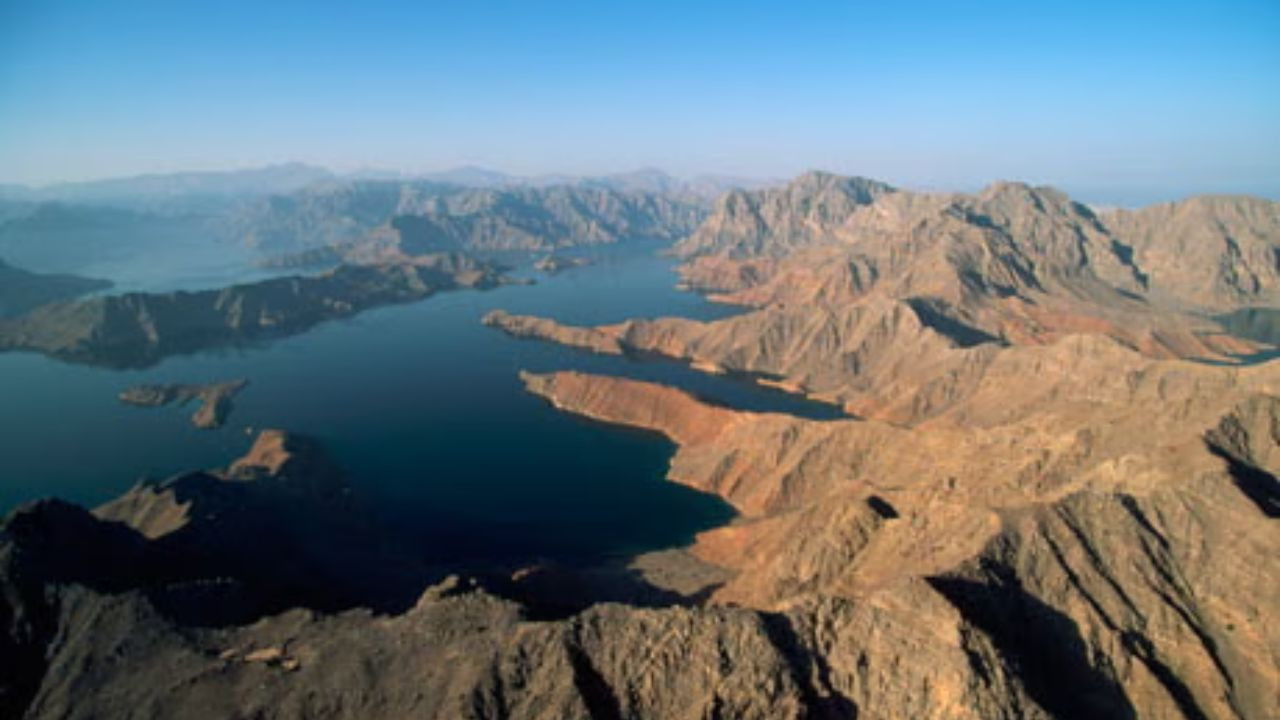
This collision created underground structures that were perfect for storing oil and gas. In the part of Iran, this created the ‘Zagros’ mountain range, while in the Arabian region, dome-like structures were formed, which spread for thousands of kilometers.
Undersea energy factory
According to the US Energy Information Administration, millions of years ago this entire area was under a shallow sea. A large amount of sea creatures, plankton and algae were present here.
When these organisms died and got deposited at the bottom of the sea, over time thick layers of sediment started covering them. Due to high temperature and pressure, these organic remains gradually turned into hydrocarbons i.e. oil and gas.
Unique feature of ‘Source Rocks’
At least 2% organic matter is necessary in the rocks for the formation of oil, but in the rocks of the Persian Gulf this amount is found from 1% to 13%.
The source rocks here are extremely rich and thick, producing oil continuously for a long time. Iran’s limestone rocks act like a sponge, with tiny holes and cracks that easily store and preserve oil and gas.
The treasure is still not finished
Despite oil production for more than a hundred years, scientists believe that vast reserves still exist in the region.
According to the US Geological Survey, billions of barrels of oil and trillions of cubic meters of gas may still be hidden in rocks that have not yet been discovered.
Through new technologies, countries like Saudi Arabia and UAE are now trying to access those reserves which were previously inaccessible.

Comments are closed.