


Artificial intelligence is no longer just a buzzword—it is rapidly becoming the defining force of the 21st century. According to Jamie Dimonthe impact of AI over the next 30 years could be nothing short of transformative. From reshaping how long we live to redefining how much we work, Dimon’s vision offers both excitement and caution. In this article, we will delve into how AI could revolutionize everyday life, disrupt labor markets, and force a rethink of how societies prepare for the future.
Credits: Mint
A Three-and-a-Half Day Workweek?
One of the most striking predictions Dimon makes is about the future of work. Imagine a world where the standard workweek shrinks to just three and a half days. This isn’t science fiction—it’s a scenario Dimon believes could become reality as AI dramatically boosts productivity.
As machines take over repetitive and time-consuming tasks, humans may no longer need to work the traditional five-day schedule. Instead, people could enjoy more leisure time, better work-life balance, and increased focus on creativity and innovation. While this shift sounds ideal, it also raises important questions about how businesses and economies will adapt to a reduced working structure.
Living Longer, Healthier Lives
Beyond the workplace, AI’s impact on healthcare could be even more profound. Dimon suggests that future generations may live up to 100 years, thanks in part to advancements driven by artificial intelligence.
AI is already helping doctors diagnose diseases earlier, personalize treatments, and accelerate drug discovery. In the coming decades, it could play a crucial role in curing major illnesses like cancer and preventing life-threatening conditions before they even develop. This shift could redefine healthcare from reactive to preventive, dramatically improving quality of life worldwide.
Safer Roads and Smarter Systems
AI’s potential doesn’t stop at hospitals. It is also poised to revolutionize everyday safety, particularly on roads. With advancements in autonomous driving systems and real-time data analysis, AI could significantly reduce—or even eliminate—car accidents.
Smarter traffic systems, predictive analytics, and self-driving technologies could work together to create safer, more efficient transportation networks. The result? Fewer accidents, less congestion, and a smoother urban experience.
The Dark Side: Job Disruption
Despite the optimism, Dimon does not ignore the risks. One of the biggest concerns surrounding AI is its potential to disrupt labor markets. As automation accelerates, millions of jobs—especially those involving routine tasks—could be at risk.
Dimon acknowledges that the speed of this transition is critical. If AI adoption happens too quickly, workers may struggle to keep up, leading to unemployment and economic instability. This concern echoes warnings from economists and policymakers around the world.
More Jobs, But Different Ones
However, Dimon aligns with a widely held belief: while AI may eliminate certain roles, it will also create new ones. Historically, technological revolutions have led to job transformation rather than permanent loss—and AI may follow the same pattern.
The key difference this time is the scale and speed of change. New industries and roles will emerge, particularly in areas like advanced manufacturing, data science, and AI management. But these jobs will require different skills, making adaptability more important than ever.
The Urgent Need for Reskilling
To navigate this transition, Dimon emphasizes the importance of reskilling. Businesses and governments must work together to help workers adapt to the evolving job landscape.
This means investing in education, training programs, and career transition support at an unprecedented scale. Companies will need to take an active role in guiding employees toward new opportunities, while policymakers must ensure that no segment of the workforce is left behind.
Collaboration Is Key
Dimon also highlights the need for strong collaboration between corporations and governments. As AI becomes deeply integrated into economic systems, challenges such as job displacement, inequality, and ethical concerns will require coordinated solutions.
Public-private partnerships could play a crucial role in managing these challenges, ensuring that the benefits of AI are widely shared while minimizing its risks.
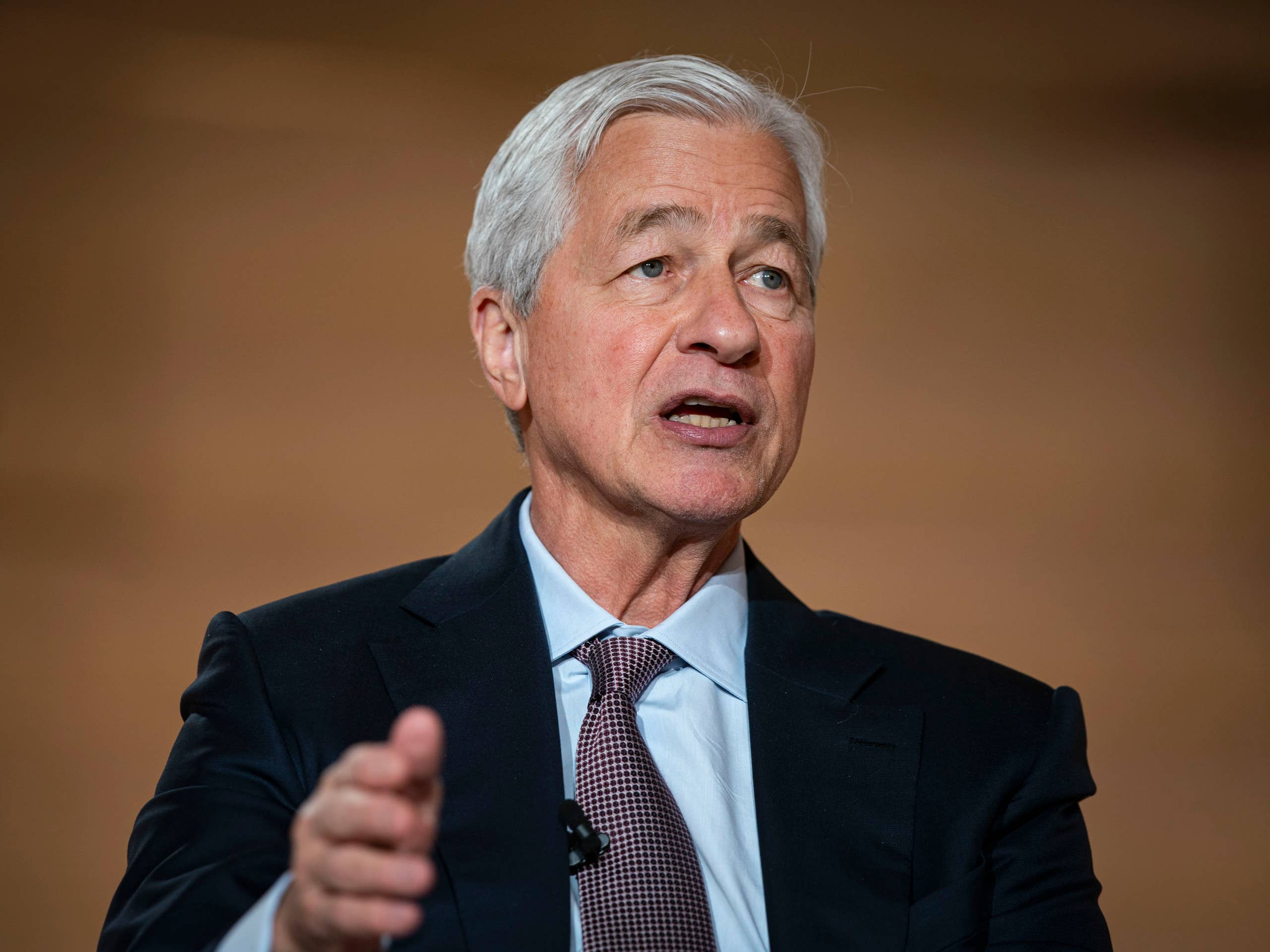
Credits: TheStreet
A Future Worth Preparing For
Ultimately, Dimon remains optimistic. He believes that AI has the potential to make life significantly better—longer lifespans, improved healthcare, safer environments, and more free time.
However, this future is not guaranteed. It will depend on how proactively societies prepare for the changes ahead. If managed well, AI could usher in an era of unprecedented prosperity. If not, the disruptions could outweigh the benefits.
The message is clear: the AI revolution is coming—and the time to prepare for it is now.

Comments are closed.