
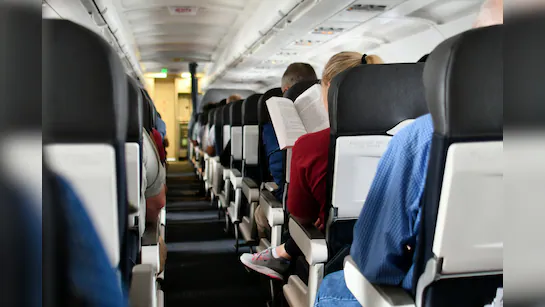

Indian passengers will soon be able to choose a much larger share of seats on flights without paying any additional charge. From April 20, airlines will have to make at least 60% of seats available free of cost for selection, according to the civil aviation watchdog’s new passenger-friendly framework. The move is designed to make seat allocation more transparent and ensure that travellers are not forced to pay extra just to avoid inconvenient seating.
The change is part of a wider set of reforms that the government introduced in March to improve air travel experience in India. The policy was presented as a step toward fair access, clearer passenger rights, and more predictable booking practices. For millions of flyers, especially families and frequent travellers, the biggest immediate impact will be on the way seat selection is priced and offered at checkout.
New Rules Aim to Make Flying Fairer and More Transparent:
The Directorate General of Civil Aviation has framed the new rules to reduce confusion and bring more transparency into how airlines sell seat selection. The government said the directions were issued so that passengers can access a meaningful share of seats without being nudged into paying extra charges at the time of booking.
The policy is also meant to improve customer experience on domestic flights by ensuring that travellers with the same booking can sit together, instead of being split up unless they pay for seat choice. The latest framework also covers clearer treatment of baggage, sports equipment, musical instruments, and pets, making the overall air travel process more passenger-friendly.
For passengers, this means airlines will have to handle seat assignment more carefully and more openly. The emphasis is on fairness rather than hidden add-ons, which have become a common complaint among air travellers in recent years.
Airlines Push Back, Warn of Higher Fares:
The new rule has not gone down well with airlines. IndiGo, Air India and SpiceJet have opposed the move, arguing that forcing them to provide at least 60% of seats without charges will hit their revenue models. According to the Federation of Indian Airlines, the policy may leave carriers with no choice but to raise fares to recover the income they lose from paid seat selection.
Industry players have said seat-selection fees are an important source of ancillary revenue, especially in a market where ticket prices are already under pressure. They believe the government’s order may bring short-term relief to passengers but could make base fares more expensive over time.
That warning sets up a new debate in Indian aviation: whether passengers will actually save money overall, or whether airlines will simply recover the loss through higher ticket pricing elsewhere. The government, meanwhile, appears focused on reducing opaque charges and ensuring that seat allocation is treated as a service, not an unavoidable extra cost.
What Passengers Should Expect from April 20:
From April 20, travellers booking flights should begin seeing a clearer split between free and paid seat options. The rule does not mean every seat will be free, but it does mean that a majority of seats must be offered without extra charges. The practical effect is likely to be most visible during online booking, where airlines often highlight paid seat choice early in the process.
The new system is expected to benefit families, senior citizens and passengers who prefer not to pay for basic seat assignment. It may also reduce the frustration many travellers face when they are separated despite booking together. At the same time, airlines will need to adjust their pricing and booking systems to comply with the new requirement before the deadline kicks in. In the coming weeks, the focus will be on how smoothly airlines implement the change and whether the promised transparency really leads to a better flying experience for passengers.

Comments are closed.