

The Indian cinematic landscape has undergone a significant structural and aesthetic transformation, marked by the concurrent rise of auteur-driven, content-focused cinema and the disruptive influence of digital streaming platforms. This period has seen a measurable shift in audience reception, where critically acclaimed art films have achieved commercial viability alongside mainstream productions. This evolution has been facilitated by visionary filmmakers such as Anurag Kashyap, whose oeuvre exemplifies a deliberate departure from conventional narrative and stylistic formulas. Their work has been amplified by a cohort of performers—including Nawazuddin Siddiqui, Manoj Bajpayee, Kay Kay Menon, and the late Irrfan Khan—whose collective prowess has recalibrated the very definition of a compelling screen presence, prioritizing psychological depth and authenticity over traditional heroic archetypes.
The emergence of long-form narrative series on digital platforms has further accelerated this paradigm shift. These series have created a sustained demand for complex characterizations, thereby systematically elevating the status of the character actor. This new economy of prestige has enabled the career reinvention of several performers, including Bobby Deol and Abhishek Bachchan, who have garnered critical and popular success through layered portrayals in series such as Ashram and Breathe: Into the Shadows, respectively. This phenomenon underscores a broader industrial realignment where merit and versatility are increasingly valued alongside, and sometimes above, established star power.
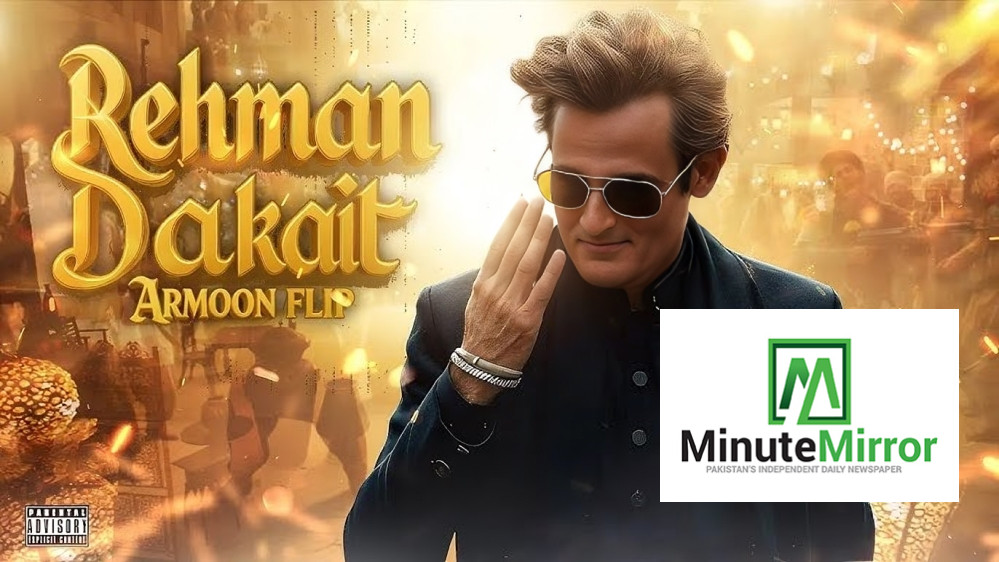
A particularly illustrative case within this transformation is the career trajectory of actor Akshaye Khanna. His professional journey mirrors the industry’s changing priorities. After a period of relative cinematic absence, his return in carefully selected character roles demonstrated a strategic engagement with this new landscape. His performance as the formidable and morally ambiguous lawyer Rahim Dakit in Section 375 served as a catalytic moment, showcasing a mastery of nuance that resonated powerfully with contemporary audiences. This professional renaissance highlights the principle that sustained dedication to craft, even during periods of lower visibility, can yield significant recognition when aligned with evolving artistic currents.
The contrast between Khanna’s earlier career phase and his current stature is notable. Where earlier perceptions may have been influenced by a more reticent public persona and changing physical appearances, his current acclaim is firmly rooted in artistic merit. His work is now celebrated across a wide spectrum of Hindi-Urdu speaking audiences, including significant diasporic viewership. This acclaim can be interpreted as a direct result of the industry’s newfound appetite for the very qualities his recent performances embody: subtlety, intelligence, and moral complexity. While his lineage connects him to a legacy of stardom, his contemporary success is distinctly his own, forged through selective role choices that align with a more mature and content-driven market. His resurgence, therefore, is not merely an individual comeback but a symptom of a larger systemic transformation within Bollywood—a shift from a star-centric model to one where narrative substance and performative authenticity are the primary currencies of success.
We welcome your contributions! Submit your blogs, opinion pieces, press releases, news story pitches, and news features to opinion@minutemirror.com.pk and minutemirrormail@gmail.com

Comments are closed.