
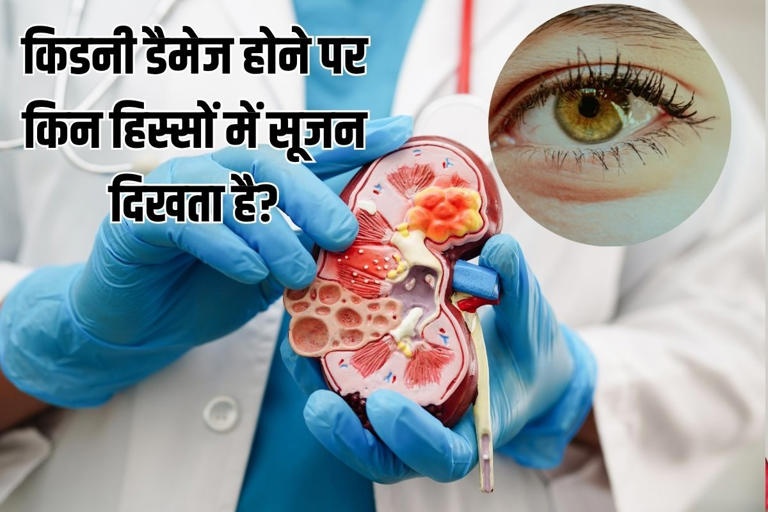
Alarm bells: Swelling in these 4 parts of the body is an early sign of ‘kidney damage’, know when normal edema becomes fatal.

Often people ignore the slight swelling near the eyes after waking up in the morning or the swelling in the feet after a day’s fatigue, considering it to be very normal. Most people consider it to be just a result of fatigue or less sleep, whereas the reality may be quite the opposite. According to medical science, if swelling in certain parts of the body persists or increases gradually, it can be an early alarm of a serious and silent disease like ‘Chronic Kidney Disease’ (CKD). When our kidneys lose their functionality, they are no longer able to remove excess fluid and harmful toxins from the body. This stagnant fluid starts accumulating in the body tissues, which is called edema in medical language. Let us know from the experts which are those 4 parts of the body, where if swelling is seen, you should immediately run to the doctor. 1. Heaviness around the eyes in the morning (Periorbital Edema) According to a report in the ‘Indian Journal of Ophthalmology’, swelling (puffiness) seen around the eyes or on the eyelids after waking up in the morning can be a major and early symptom of kidney failure. Actually, when the kidney gets damaged, instead of stopping the essential protein (albumin) of the body, it starts taking it out through urine. Due to lack of protein in the blood, the fluid balance of the body gets disturbed and water starts accumulating under the soft skin like eyes. This swelling persists throughout the day and does not go away even after adequate rest. 2. Persistent swelling of the feet, ankles and soles (Pedal Edema) Feet and ankles are the most common places where the effects of kidney disease are first and clearly visible. According to the health website ‘WebMD’, when the kidneys are unable to filter the blood properly, due to gravity, excess water and sodium starts accumulating in the lower parts of the body. Due to this, your shoes suddenly start becoming tight, deep marks appear on your feet after wearing socks and by evening, heaviness and pain in your feet increases a lot. 3. Swelling of fingers and tightening of rings. Decrease in kidney function has a direct effect on our hands and fingers. If you suddenly feel that the fingers seem thick and swollen or the rings worn on the fingers have suddenly become very tight, then be alert. This edema (swelling) in the hands usually appears very rapidly in the morning or after eating even a little too much salt in food. 4. Sudden bloating and heaviness of the stomach (Ascites) When kidney disease reaches the third or fourth severe stage, water starts accumulating inside the stomach. This condition is called ascites in medical term. Due to this, the patient’s stomach always feels bloated, hard and very heavy. This condition occurs due to a complete imbalance of fluids and electrolytes in the body, which should be immediately treated as a medical emergency. Apart from swelling, also keep an eye on these 6 symptoms. If your kidneys are not functioning properly, along with swelling in the body, these symptoms can also appear: Feeling extremely tired and weak all the time. Sudden decrease in the amount of urine. Change in color of urine or formation of excessive foam in it. Nausea, vomiting or loss of appetite throughout the day. Frequent severe cramps in the muscles. Persistent severe itching without any skin rash. Special note: If you are a patient of high blood pressure (hypertension) or diabetes, you are at the highest risk of developing kidney disease. Its symptoms are very mild in the initial stages, so regular checkups are the only means of prevention. When and which doctor to contact? If swelling is occurring repeatedly in these four parts of your body, a pit is forming when pressed (Pitting Edema) or there is problem of shortness of breath along with swelling, then immediately contact a qualified Nephrologist (Kidney Specialist) or Physician. The doctor may order blood tests (KFT/Serum Creatinine), urine routine test (to check protein leakage) and abdominal ultrasound to understand your condition. With timely correct identification and treatment, the pace of kidney damage can be slowed down.

Comments are closed.