
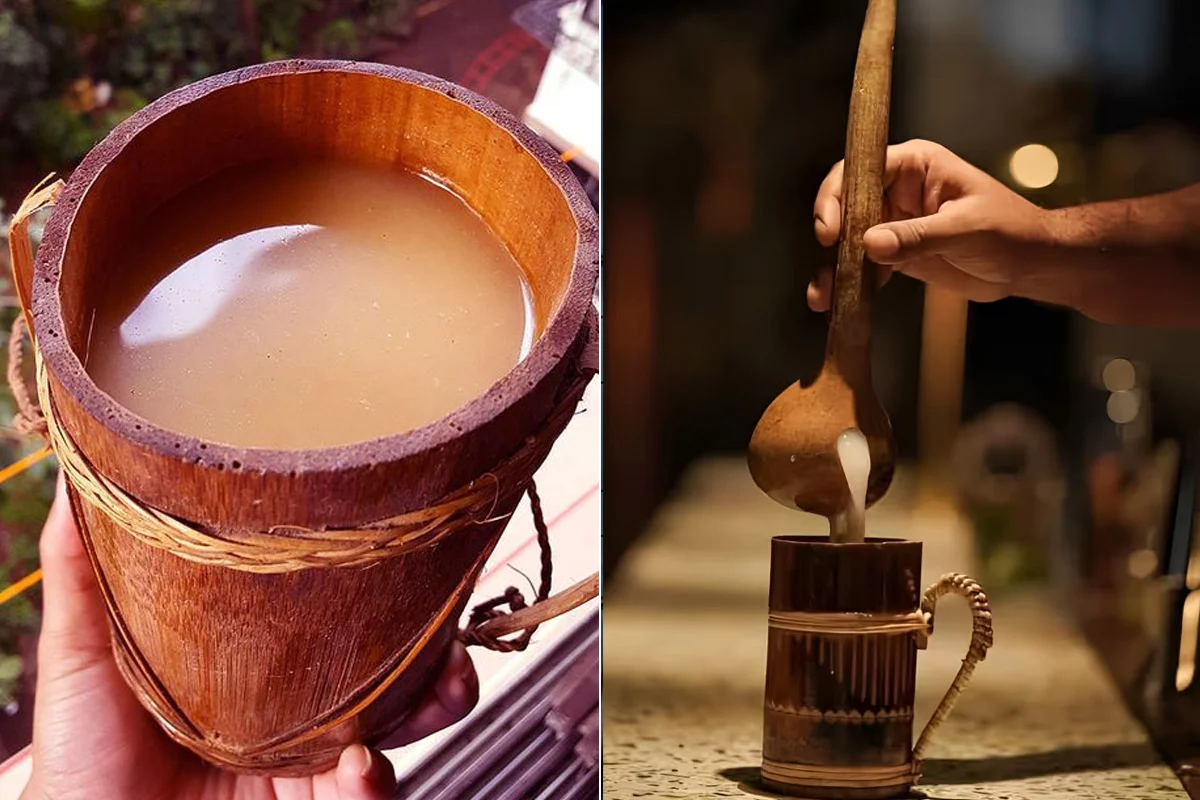

Be it Kolkata’s party circuit or Delhi’s cafes. Instead of sura or cocktail in the hands of the young generation, a white drink is seen these days. Recent studies suggest that traditional alcoholism is on the decline among Gen G or the new generation. They are more aware of their bodies than before. According to various statistics, the rate of drinking among 18- to 34-year-olds has decreased significantly over the past four years. But addiction is completely gone? Probably not. Rather, local and natural drinks are now taking place in the youth’s choice list as a direct alternative to alcohol. Kombucha was once the talk of the town, but now Assam’s traditional rice beer is at the center of discussion.
A new twist on tradition?
Rice beer, or a drink made from rice, has been around for centuries in Northeast India. It is known as ‘Judima’, ‘Apong’ or ‘Rohi’ by various tribes of Assam. Lately, its demand has also peaked in luxury cafes in the city. Sometimes this drink is made by mixing rice powder with special herbs, and sometimes by cooling boiled rice and fermentation. Its alcohol content is usually between 5 and 10 percent. However, the rice beer that is being served in the cafes, sometimes has a slightly different taste than the old one. It has now become a status symbol in the reign of social media.
Healthy or just addictive?
Many people think that rice beer is herbal and healthy. This is partially true. Fermentation produces some beneficial microbes that can aid in digestion. But that applies only to moderate drinking. Actually it is a drug. The alcohol contained in it can cause serious damage to the liver if consumed regularly. From increased risk of heart disease to depression — the side effects are many. Experts say it would be a mistake to think of it as a healthy drink just because it is made with natural ingredients. Drinking too much rice beer can cause dehydration in the body. So there is no reason to think of it as an ‘innocent’ drink. Awareness of alternative addictions is also important.
Comments are closed.