
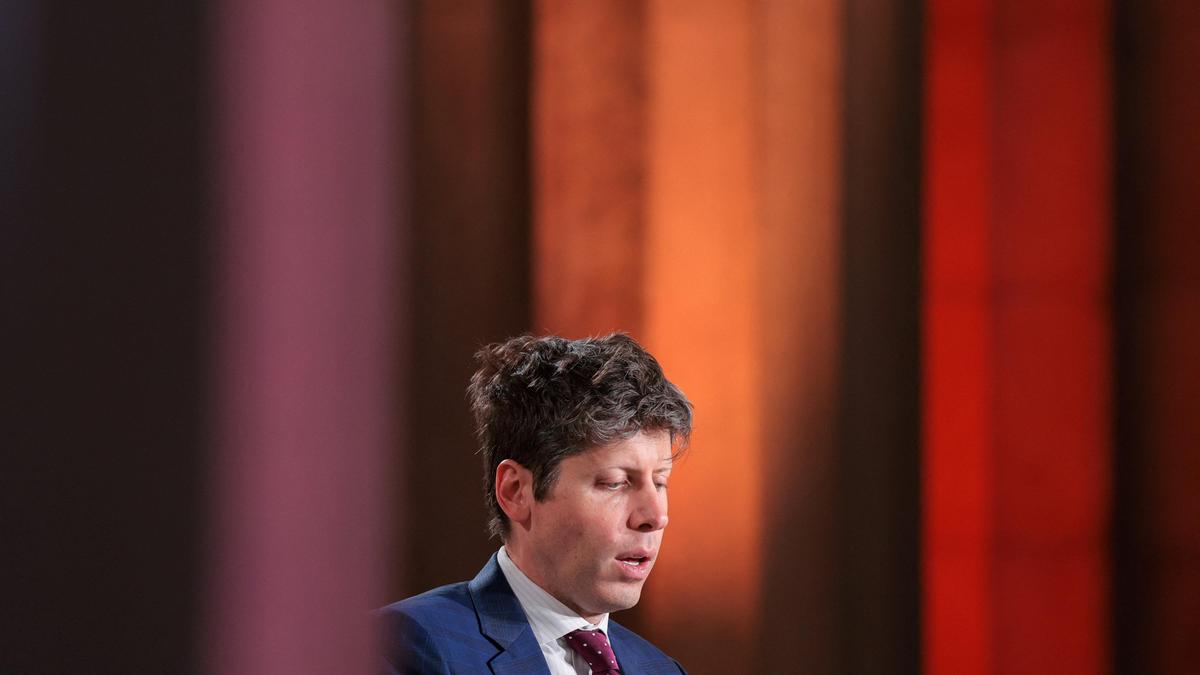

The CEO of OpenAI, Sam Altman, has stepped down from the board of Helion Energy. This comes as the two firms prepare for a potential power deal. This also ends any question of a conflict of interest.
Altman has been a supporter of Helion for a while. In 2015, Altman invested in the company. This was before the term “fusion” started to appear in the conversations of people in the tech world. In 2021, Altman led a $500 million funding round for the company.
In the round, Altman invested $375 million of his own funds. In the early part of 2025, Altman also invested in another round of $425 million for the company. Throughout this period, Altman had served as the chairman of the company’s board.
However, Altman is stepping down. This means Altman will retain his financial interest in the company. However, Altman will not be a part of the talks between the two companies.
Helion’s CEO, David Kirtley, has credited Altman with helping the company move faster. He said Altman played a key role in pushing fusion closer to real use. That progress now forms the basis for the talks with OpenAI.
OpenAI’s Bold Bet on Fusion Energy
At the center of these talks is energy. Training and running AI systems needs a huge amount of power. As OpenAI builds larger models and runs more data centers, its energy demand keeps rising. A stable, clean power source has become a priority.
Helion may offer a solution. The company is working on fusion reactors, which aim to produce energy by copying the process that powers the sun. Unlike fossil fuels, fusion does not produce carbon emissions. It also promises a steady supply of power if it works at scale.
Under the proposed deal, OpenAI would buy about 12.5% of Helion’s energy output. That would start at around 5 gigawatts by 2030. Over time, it could grow to 50 gigawatts by 2035. To put that in context, 1 gigawatt can power hundreds of thousands of homes. The scale of this plan shows how large OpenAI’s energy needs could become.
The agreement is still in early stages. Several key steps remain before it becomes final. These include picking a site, building the infrastructure, and meeting technical milestones. Fusion itself is not yet proven at a commercial level, so there is risk on both sides.
Helion has already made similar moves. In 2023, it signed a deal with Microsoft to supply 50 megawatts of power starting in 2028. That agreement marked one of the first real attempts to sell fusion energy to a major customer. Other tech firms are also exploring this space. Google has backed fusion projects through partnerships with rival startups.
Helion is based in Everett, Washington. Its goal is to bring fusion power to market faster than traditional research programs. Instead of focusing only on long-term science, it aims to build working systems that can sell power to customers. This approach has helped it attract major investors.
How Helion is Fueling OpenAI’s Infinite Intelligence
Backers include Capricorn Investment Group, Mithril Capital, and Dustin Moskovitz. Their support has allowed Helion to build and test several prototypes. The company says it is getting closer to “scientific breakeven,” where a fusion system produces more energy than it uses.
Reaching that point would be a major step. It would show that fusion can work in practice, not just in theory. But turning that into a reliable power source will still take time.
For OpenAI, the appeal is clear. AI systems need power that is both large in scale and stable over time. Fusion could meet both needs if it succeeds. It also fits with a push toward cleaner energy, which is under growing pressure from regulators and the public.
Altman’s decision to step down reflects that shift. By separating his roles, he removes friction at a key moment. It signals that both companies are serious about moving forward.
The outcome is not certain. Fusion still faces technical and economic hurdles. But if the deal goes through, it could mark a new link between AI and energy. It would also show how tech companies are starting to secure their own power supply as they scale.
For now, the talks continue. And Altman, while no longer on Helion’s board, remains closely tied to its future.

Comments are closed.