
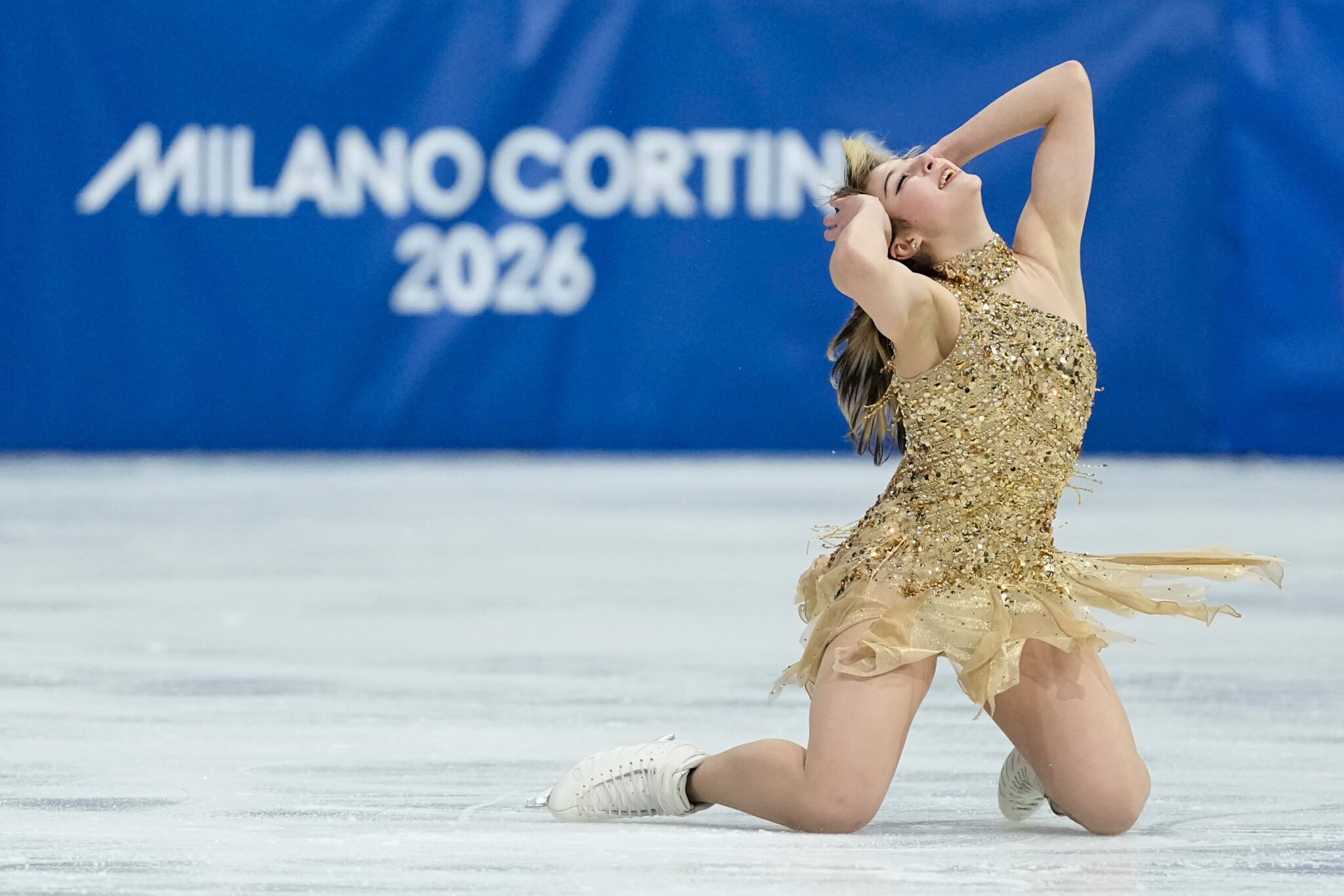

Alysa Liu Wins Figure Skating Olympic Gold for USA/ TezzBuzz/ WASHINGTON/ J. Mansour/ Morning Edition/ Alysa Liu delivered a near-flawless free skate to win Olympic gold in Milan. Her victory ended a 24-year drought for U.S. women’s figure skating. Liu’s comeback story adds another chapter to her remarkable career.

Alysa Liu Wins Olympic Gold for USA Quick Looks
- Alysa Liu wins women’s figure skating gold
- First U.S. women’s champion since 2002
- Final score: 226.79 points
- Kaori Sakamoto takes silver
- Ami Nakai earns bronze
- Second gold for Liu at Milan Games
- Completed comeback after early retirement
- Near-perfect free skate to “MacArthur Park”


Deep Look: Alysa Liu Wins Figure Skating Olympic Gold for USA
Inside a roaring arena in Milan, Alyssa Liu delivered the performance of her life — and in doing so, ended a 24-year Olympic gold medal drought for American women in figure skating.
The 20-year-old from the San Francisco Bay Area produced a near-flawless free skate at the Milan Cortina Winter Games, earning 226.79 total points to secure the top spot on the podium. The electrifying routine brought a packed Milano Ice Skating Arena crowd to its feet and sealed the first U.S. women’s Olympic title since Sarah Hughes triumphed at the 2002 Salt Lake City Games.
As her music faded and cheers filled the venue, Liu’s raw emotion spilled out — a fitting exclamation point to a journey that has been anything but conventional.
Her gold medal capped a remarkable comeback. Once hailed as a teenage prodigy, Liu became the youngest U.S. champion in history when she won her first national title at 13. She claimed back-to-back U.S. crowns before competing at the Beijing Olympics, where she finished sixth. Burned out and searching for balance, Liu stunned the skating world by retiring shortly afterward.
During her time away from the sport, she explored life beyond the rink — enrolling at UCLA to study psychology and even trekking to Everest Base Camp. It was on a ski trip, she has said, that she rediscovered the thrill and adrenaline that once fueled her skating. This time, she returned on her own terms: freer, more self-assured, and determined to embrace the moment.
That perspective was evident throughout her Olympic performance. From her opening triple flip to her closing combination sequence, Liu skated with visible joy and composure. Her gold-sequined dress shimmered under the lights as Donna Summer’s “MacArthur Park” played, and when the final note hit, she casually flipped her ponytail, as if the magnitude of the moment hadn’t yet sunk in.
Her score ultimately placed her ahead of Japan’s Kaori Sakamotoa three-time world champion who earned silver with 224.90 points, and fellow Japanese skater Ami Nakaiwho claimed bronze. The result was bittersweet for Sakamoto, who had hoped to capture gold before retiring at the end of the season.
Liu’s triumph also marked her second gold medal at the Milan Games. Earlier in the competition, she and teammate Amber Glenn helped the United States capture team gold, underscoring the resurgence of American figure skating on the Olympic stage.
Glenn, who finished fifth individually after a strong free skate rebound, celebrated enthusiastically in the kiss-and-cry area when Liu’s winning score was announced. The camaraderie between teammates reflected a broader sense of renewal within the U.S. program.
The competition itself was fiercely contested. Russian teenager Adelia Petrosiancompeting as a neutral athlete, attempted the only quadruple jump of the event but fell on her quad toe loop, narrowly missing the podium. Japan’s Mone Chiba also challenged for a medal before being overtaken in the final standings.
Yet the night ultimately belonged to Liu — not just for her technical precision, but for the story behind it. Her victory marked the first individual Olympic gold by an American woman since 2002 and the first world title for a U.S. woman since 2006, which Liu herself claimed last year. The milestone signals a generational shift and renewed momentum for the U.S. women’s program.
Coaches Phillip DiGuglielmo and Massimo Scali celebrated exuberantly rinkside, punching the air and embracing as Liu stepped off the ice. But Liu’s own reaction was more reflective. She later emphasized that while the medal is meaningful, the journey mattered more.
Her comeback arc — from prodigy to burnout, from student to Olympic champion — resonates beyond figure skating. In an era where mental health conversations have reshaped elite athletics, Liu’s willingness to step away and rediscover joy in competition offers a powerful message.
By reclaiming the Olympic spotlight in Milan, Liu not only etched her name into U.S. sports history but also redefined what success can look like: not just podium finishes, but growth, self-discovery, and resilience.
With one dazzling skate, Alysa Liu restored American women to the top of Olympic figure skating — and ensured her story will inspire long after the final scores fade.
More on Sports

Comments are closed.