
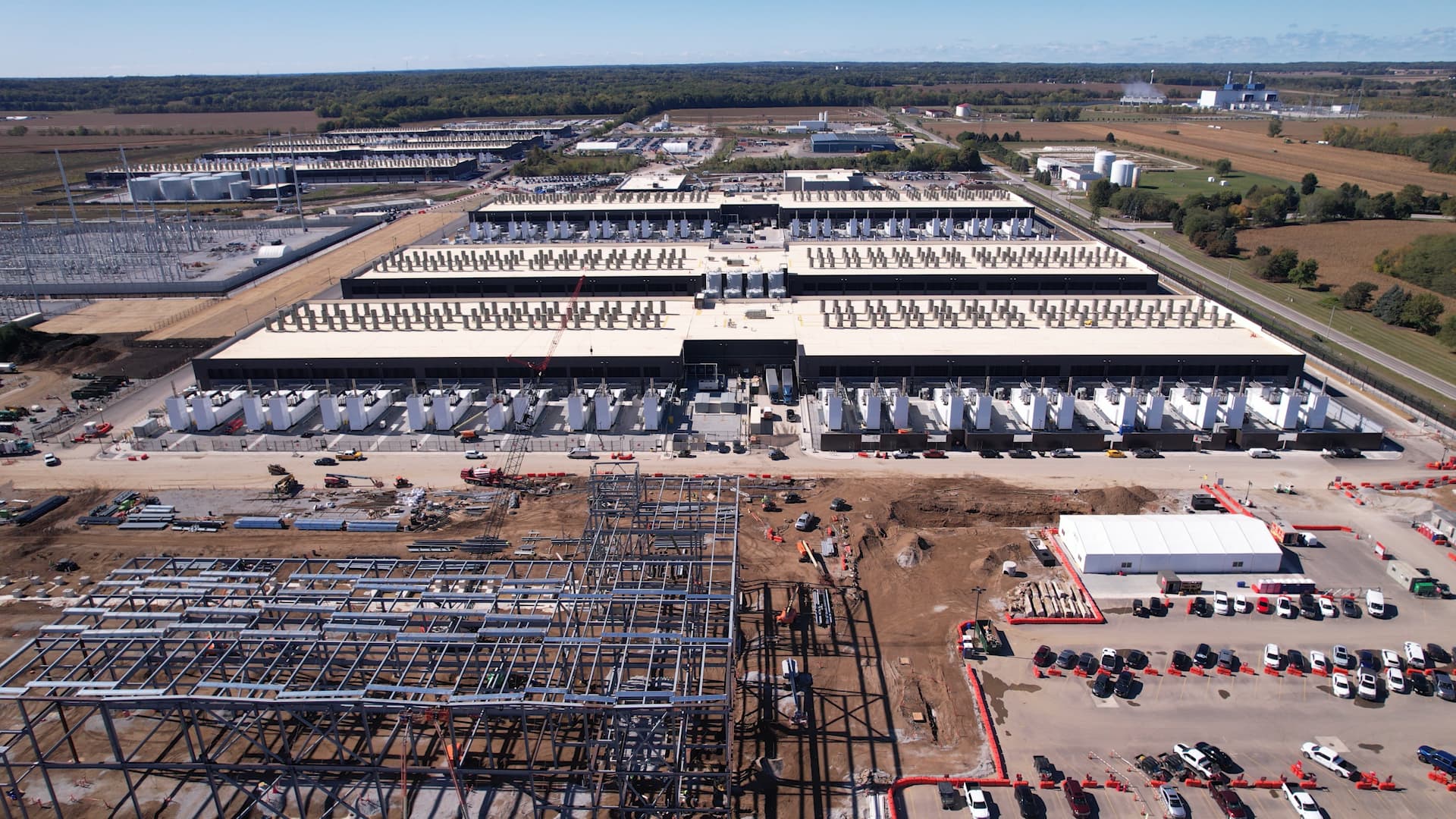

As artificial intelligence and cloud computing continue to expand rapidly, attention is increasingly turning to the environmental footprint of the infrastructure powering these technologies. Amazon has revealed that its data centres consumed more than 9 billion litres of water globally last year, bringing renewed focus to the resource demands of the digital economy.
The disclosure comes at a time when technology companies are facing growing scrutiny over the energy and water consumption associated with large-scale cloud services and AI systems.
Why Data Centres Need So Much Water
Modern data centres generate enormous amounts of heat while processing and storing data. To keep servers operating efficiently, operators rely on sophisticated cooling systems, many of which use water to regulate temperatures.
The rise of artificial intelligence has significantly increased computing requirements. AI training and inference workloads require powerful processors that consume more energy and generate more heat than traditional computing tasks. As a result, cooling infrastructure has become an increasingly important component of data centre operations.
Industry experts note that water consumption is now emerging as one of the key sustainability challenges facing the technology sector.
Amazon Says It Is More Efficient Than Rivals
Despite the large volume of water used, Amazon argues that its facilities are among the most efficient in the industry. The company says it has invested heavily in advanced cooling technologies, water recycling systems, and infrastructure improvements to reduce overall consumption.
Amazon also claims that many of its data centres use less water than traditional cooling approaches and that efficiency gains have helped offset rising demand from cloud services and AI applications.
The company has emphasized that water-use figures should be viewed in the context of the massive scale of its global cloud operations, which support millions of businesses, governments, and consumers worldwide.
Growing Environmental Debate Around AI
The disclosure comes amid increasing concern over the environmental impact of artificial intelligence. While AI offers significant productivity and innovation benefits, it also requires vast computing resources, leading to higher energy and water consumption.
Major technology companies including Amazon, Microsoft, Google, and Meta are investing billions of dollars in new data centres to support AI workloads. Environmental groups have called for greater transparency regarding the resources required to operate these facilities.
As AI adoption accelerates, regulators and policymakers are also beginning to examine how data centre growth could affect local water supplies and sustainability goals.
What Happens Next?
Amazon says it remains committed to improving water efficiency and supporting conservation projects in communities where its facilities operate. The company has pledged to continue investing in technologies that reduce environmental impact while meeting growing demand for cloud and AI services.
The revelation underscores a broader reality facing the technology industry: as digital infrastructure becomes more powerful, the challenge of balancing innovation with sustainability will become increasingly important. Water, once an overlooked resource in the tech sector, is now emerging as a critical part of the AI conversation.
Comments are closed.