
American Chiropractic Clinics looks to preventive, integrated care after 20 years in Vietnam

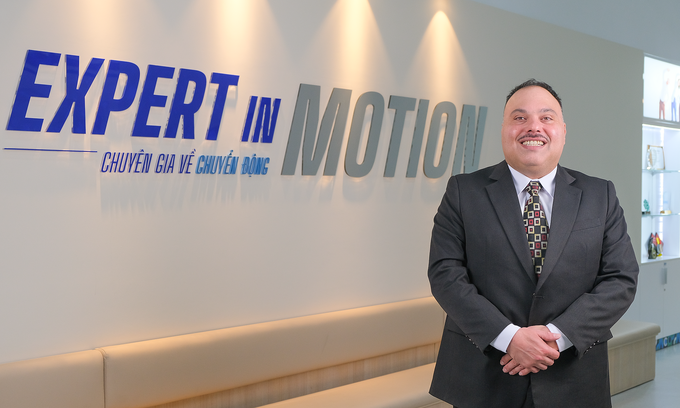
Medical Director Dr. Rob Sleiman shares the clinic’s long-term development vision. Photo courtesy of ACC |
During the past 20 years, how have Vietnamese people’s awareness and demand for musculoskeletal healthcare changed?
When American Chiropractic Clinics (ACC) first began operating, many patients sought treatment only when pain became severe or started affecting their daily activities. Awareness of preventive care, posture, ergonomics, and the long-term impact of musculoskeletal disorders was relatively limited.
Today, patients are more proactive. More people understand that conditions such as back and neck pain, sports injuries, and work-related musculoskeletal disorders can often be managed effectively without surgery. They are also seeking medical advice earlier rather than waiting until symptoms become chronic.
Modern lifestyles have contributed to changing healthcare needs. Longer working hours at computers, increased smartphone use, and sedentary habits have led to more musculoskeletal problems across different age groups. At the same time, greater participation in sports and Vietnam’s aging population are increasing demand for the management of sports injuries and degenerative spine and joint conditions.
Vietnamese patients are now more health-conscious and informed, and they have higher expectations for evidence-based, patient-centered care than they did two decades ago.
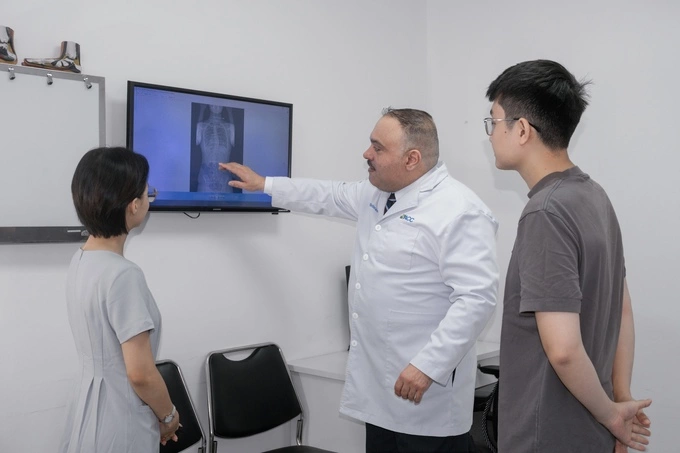 |
Diagnostic imaging is reviewed during a musculoskeletal consultation at the clinic. Photo courtesy of ACC |
ACC is now part of FV Group and Thomson Medical Group. What does this milestone mean for the clinic’s long-term development?
Joining FV Group and Thomson Medical Group is an important milestone that provides the clinic with a stronger foundation to improve clinical governance, operational standards, and patient experience.
Being part of a regional healthcare network enables us to adopt the best international practices and strengthen collaboration across medical specialties.
For patients, this partnership provides access to a more integrated healthcare ecosystem. Through closer collaboration with FV Hospital and the Thomson Medical network, the clinic can coordinate referrals and multidisciplinary treatment more effectively.
Patients can receive conservative musculoskeletal treatment at the clinic while accessing specialist consultations, advanced diagnostics, hospital services, or surgical intervention when clinically necessary.
How can joining the FV and Thomson healthcare ecosystems improve treatment outcomes for patients in Vietnam?
Musculoskeletal conditions often require the involvement of different healthcare professionals, including chiropractors, physiotherapists, rehabilitation specialists, orthopedic surgeons, pain specialists, and diagnostic services. Being part of an integrated healthcare network allows these professionals to collaborate more closely and helps patients receive appropriate treatment at each stage of their healthcare journey.
Referrals can be streamlined, communication between healthcare providers strengthened, and treatment plans better coordinated. Patients can also gain faster access to specialist consultations, diagnostic services, rehabilitation, and hospital-based treatment when necessary.
The objective is not simply to relieve pain. We want to improve assessment, personalize treatment plans, restore physical function, prevent recurrence, and help patients maintain a better quality of life over the long term.
What trends will shape musculoskeletal healthcare over the next five to 10 years, and how is ACC preparing for them?
Musculoskeletal healthcare will become more preventive, personalized, and technology-enabled. Aging populations and increasingly sedentary lifestyles will continue to increase the burden of spinal disorders, joint degeneration, sports injuries, and work-related musculoskeletal conditions. At the same time, patients will expect more than temporary pain relief. They will look for long-term solutions that allow them to remain active, independent, and healthy.
Another important trend is multidisciplinary care. Patients increasingly benefit from coordinated treatment involving rehabilitation specialists, physiotherapists, chiropractors, medical specialists, and advanced diagnostic services. Evidence-based practice, treatment outcome measurement, and patient education will also become increasingly important. Technology will transform care through digital health platforms, AI-assisted clinical decision support, remote monitoring, telerehabilitation, and data-driven outcome tracking.
ACC is preparing for these changes by investing in healthcare professionals, clinical capabilities, and innovation. Being part of the FV and Thomson Medical Group ecosystem provides a stronger foundation for adopting international practices, strengthening clinical governance, and introducing technologies that improve patient care.
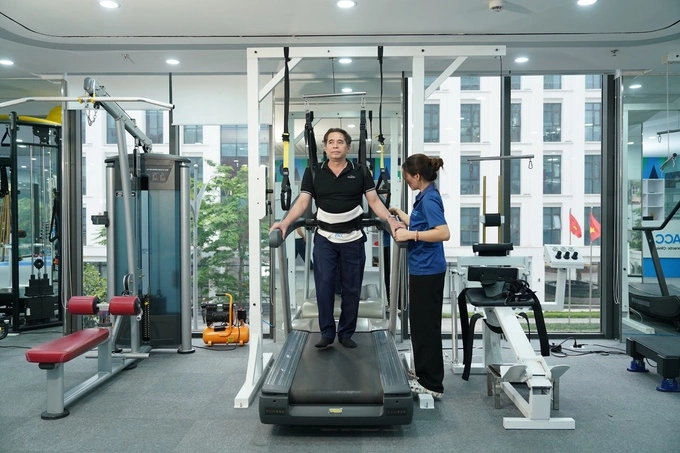 |
Rehabilitation is an integral part of the clinic’s multidisciplinary approach to musculoskeletal care. Photo courtesy of ACC |
The clinic has maintained a non-invasive, personalized treatment approach that minimizes medication and surgery whenever possible. Why has this philosophy remained at the heart of the clinic’s work?
From the beginning, we have believed that musculoskeletal care should be patient-centered, evidence-based, and focused on addressing the underlying causes of a patient’s condition rather than simply managing symptoms. For many musculoskeletal conditions, international clinical guidelines recommend conservative, non-invasive care as the first line of treatment. Chiropractic care, physiotherapy, rehabilitation, exercise therapy, and patient education can help many patients improve pain, physical function, and quality of life without medication or surgery.
Our objective, however, is not to avoid medication or surgery at all costs. Patients should receive the most appropriate treatment at the right time. When conservative treatment is appropriate, we develop personalized treatment plans based on each patient’s condition, lifestyle, and recovery goals.
When advanced imaging, specialist consultation, or surgical intervention is necessary, collaboration within the FV and Thomson healthcare ecosystem enables us to coordinate referrals and follow-up treatment.
Based on your experience treating patients in Vietnam, what misconceptions about musculoskeletal conditions still need to change?
One common misconception is that pain is simply a normal part of aging and something people have to accept. Although age-related changes occur, persistent pain is not inevitable. Many musculoskeletal conditions can be prevented or managed through early assessment and appropriate treatment. Another misconception is that complete bed rest is the best treatment for back or neck pain. Prolonged inactivity can slow recovery. For most patients, remaining appropriately active and following a structured rehabilitation program lead to better outcomes.
Some patients believe surgery is the only solution for spinal or joint problems, while others expect medication alone to resolve their condition. In many cases, evidence-based conservative treatment, including rehabilitation, exercise therapy, physiotherapy, and chiropractic care, can reduce pain and improve physical function without surgery. However, surgery may sometimes be the most appropriate treatment. Decisions should always be based on a thorough clinical assessment.
Another misconception is that treatment ends once the pain disappears. Pain relief is only one part of recovery. Restoring strength, mobility, posture, and movement patterns, together with maintaining healthy lifestyle habits, is important for reducing recurrence and protecting long-term musculoskeletal health.
Many people seek medical care only when pain becomes severe. How can Vietnam shift toward prevention and proactive management of musculoskeletal health?
Education is fundamental to this shift. People need to understand that musculoskeletal conditions often develop gradually and that early assessment and intervention can prevent minor problems from becoming chronic or more complex. Musculoskeletal health should be viewed in the same way people approach cardiovascular health or dental care.
Maintaining good posture, staying physically active, strengthening muscles, managing body weight, and addressing recurring discomfort early should become part of a healthy lifestyle.
Healthcare providers also need to move beyond treating symptoms. We should provide patients with education, personalized exercise programs, ergonomic guidance, and self-management strategies. When patients understand their conditions and know how to manage their health, they are more likely to achieve lasting outcomes and prevent recurrence.
ACC positions itself as an “Expert in Motion.” How will this philosophy shape the clinic’s strategy in the coming years?
The word Expert represents our clinical expertise, experienced healthcare professionals, and commitment to evidence-based, personalized treatment. Motion represents our purpose: restoring movement and helping people maintain active, healthy lives.
Movement is fundamental to health, independence, and quality of life. Our objective is not simply to relieve pain but to help patients move better, recover effectively, and remain active throughout different stages of life.
This philosophy will guide the clinic’s development strategy. We will continue investing in clinical excellence, rehabilitation, innovation, and multidisciplinary collaboration while strengthening our position in evidence-based musculoskeletal care.
Looking 10 years ahead, what role do you hope ACC will play in improving musculoskeletal health in Vietnam?
I hope the clinic will be recognized not only as a provider of musculoskeletal healthcare but also as an organization that has contributed to changing how people in Vietnam think about musculoskeletal health. Our vision goes beyond treating pain. We want to help people maintain mobility, prevent injuries, recover effectively, and live healthier, more active lives.
Success should not be measured only by the number of patients treated but also by improvements in physical function, independence, and long-term quality of life. We also aim to strengthen the clinic as a center of clinical excellence where evidence-based treatment, innovation, multidisciplinary collaboration, and patient experience come together.
Equally important is our role in prevention and public education. By working with patients, employers, schools, sports organizations, and communities, we hope to contribute to a broader shift from treating musculoskeletal pain after it occurs to preventing problems through healthier lifestyles, better movement habits, and earlier intervention.
Comments are closed.