
Amidst the ongoing war with Iran, America made major changes in the budget proposal, cut domestic expenditure, historic increase in defense expenditure.

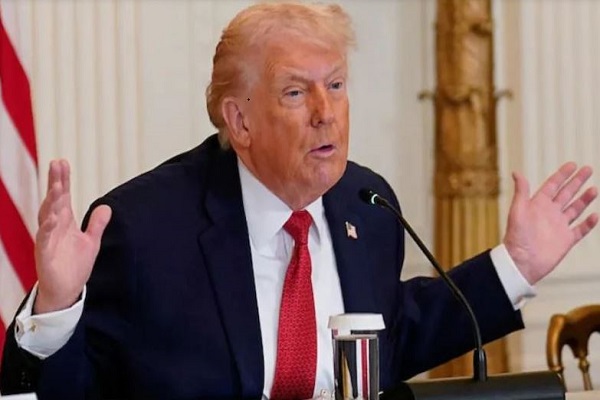
Washington, April 4. US President Donald Trump’s proposed fiscal year 2027 budget is seeing major cuts in domestic programs. The proposed budget outlines a comprehensive restructuring of federal agencies, while maintaining funding for key priorities such as security and law and order. The budget proposes a 10 percent cut compared to non-defense levels in 2026. Its purpose is to control spending and change the structure of the Federal Government. The plan has been described as moving away from “wasteful and ineffective programs,” while prioritizing areas such as border security, policing and veterans services.
A blueprint for large-scale cuts in various departments has been presented. The Department of Agriculture is proposed to receive $20.8 billion in funding, which represents a 19 percent reduction. The Commerce Department is budgeted at $9.2 billion, down 12.2 percent, while the Education Department will get $76.5 billion and is said to be on track to be exhausted. Health and human services funding will drop to $111.1 billion, a 12.5 percent decrease, while housing and urban development will be cut by 13 percent to $73.5 billion. The State Department and international programs are facing the biggest cuts. The proposed budget calls for funding of $35.6 billion, which is 30 percent less than last year.
The budget calls for eliminating or eliminating a number of programs from several agencies, including education grants, the Housing Initiative and the Foreign Assistance Program, among other things. In the health sector, the plan proposes to reorganize the Department of Health and Human Services to prioritize nutrition, food security, and prevention of chronic diseases under an “Administration for a Healthy America.” The Department of Homeland Security’s budget would be reduced to $63 billion, while investments in border enforcement and immigration control would remain.
Similarly, the Justice Department would receive more funding for law enforcement, while grant programs deemed non-essential would be reduced or eliminated. The budget focuses on reducing federal bureaucracy and placing responsibilities on states and local governments in areas such as education, housing and workforce development. OMB Director Russell T. Vought said the proposal represents a major fiscal change. “A historic change is taking place in the budget process that is delivering real results for the American people,” he said. The plan will now head to Congress, where lawmakers are expected to debate the level of domestic cuts and the restructuring of essential federal programs.

Comments are closed.