
Amul Chocolate: From chocolate to nutritional food, 400 MT production every day from 10 Amul plants in a single complex.

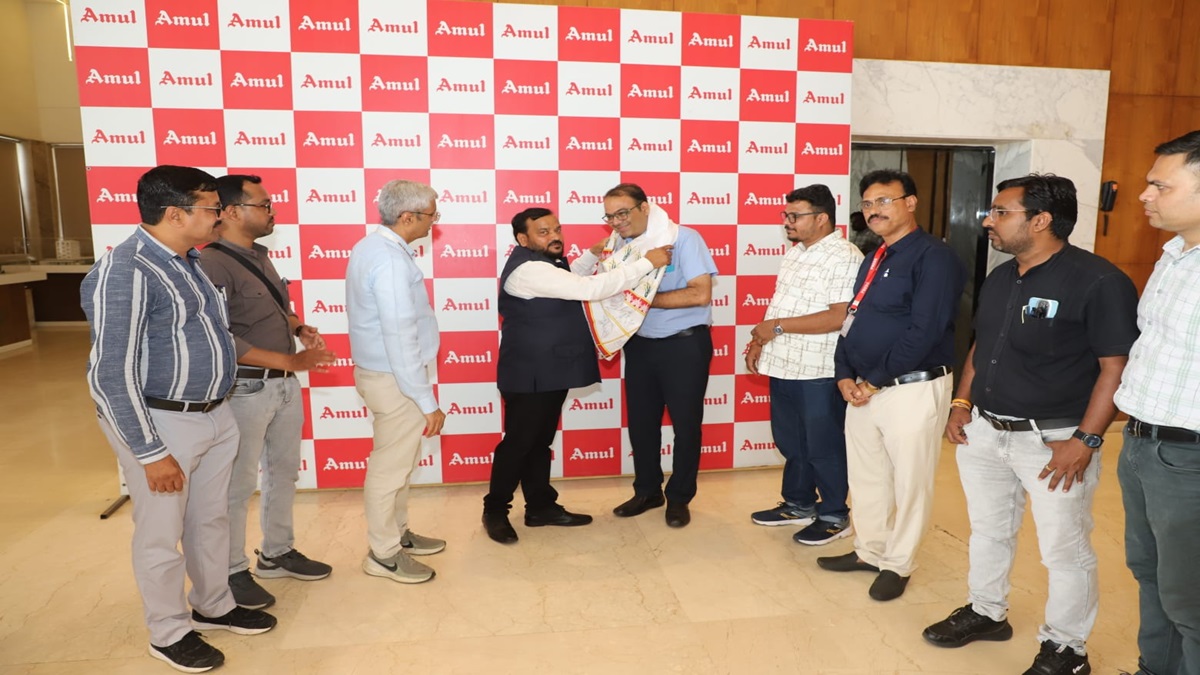
From the sweetness of chocolate to the nutrition of Anganwadi children and pregnant and lactating women (Amul Chocolate) – the Amul campus in Anand is a unique example of the diversity of food production. Products like chocolates, sweets, frozen snacks, parathas, vegetables, gravies, peanut butter, ketchup and mayonnaise are produced in the same complex. Besides, nutritious food for children and women is also prepared here under the Take-Home Ration Scheme of Gujarat Government. Kamal Prajapati, Assistant Manager of Amul Chocolate Plant, informed the journalists from Chhattisgarh who were on a five-day study tour of Gujarat about the production activities and functioning of this multifunctional complex.
Kamal Prajapati told that this complex was originally constructed in the year 1973. chocolate plant Was established as. Over time, Amul continuously expanded its range of food products here and currently around 10 different plants are operating in the complex. About 400 metric tons of various food products are produced here every day.
He said that the most prominent product of the complex is chocolate. Amul has continuously increased its chocolate production capacity. After the inauguration of the current chocolate plant in 2017, the production capacity reached 50 metric tons per day, while after a further expansion of the capacity in the year 2025, it now has the capacity to produce 100 metric tons of chocolate per day.
More than 75 varieties of chocolate, special emphasis on dark chocolate Amul Chocolate
Kamal Prajapati informed that Amul’s chocolate portfolio now includes more than 75 SKUs. Keeping in view the expansion of chocolate market in India, Amul is continuously developing new products.
He told that Amul has especially expanded in the field of dark chocolate (Amul Chocolate). The company has introduced normal dark chocolate as well as inclusion dark chocolate in the market. Dark chocolates with 55 percent, 75 percent, 90 percent and 99 percent cocoa solids are being made available to suit consumer preferences.
He said that natural antioxidants are found in dark chocolate and cocoa based products are also considered beneficial from health point of view. Amul is continuously working on new products based on the feedback received from consumers. New products such as dark chocolate with cream filling and orange flavor are also in development.
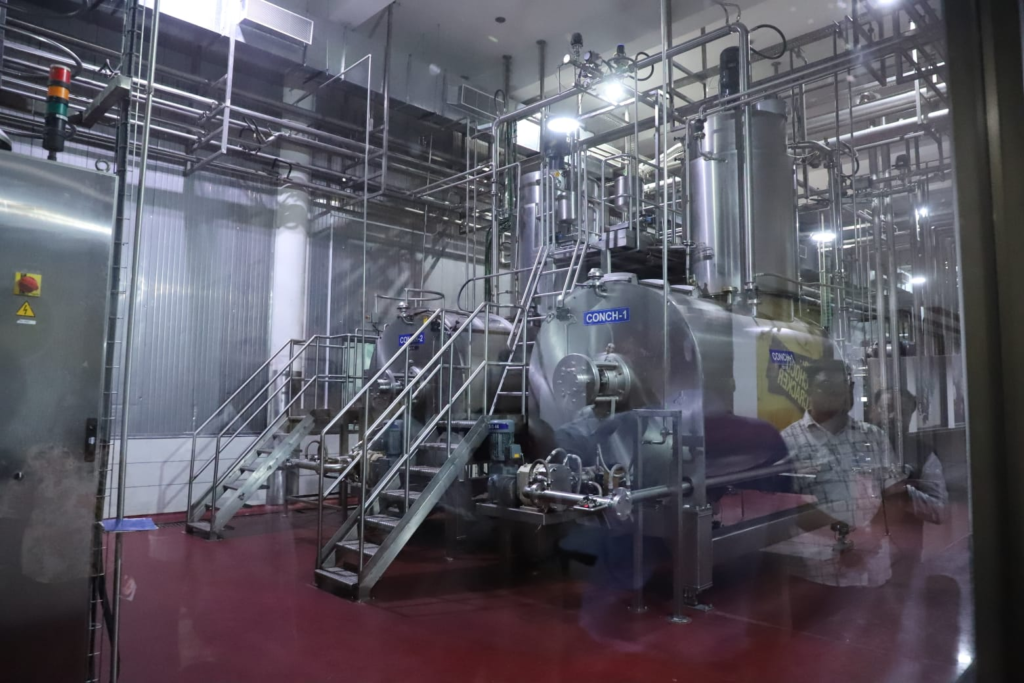
Amul Chocolate production in Anand
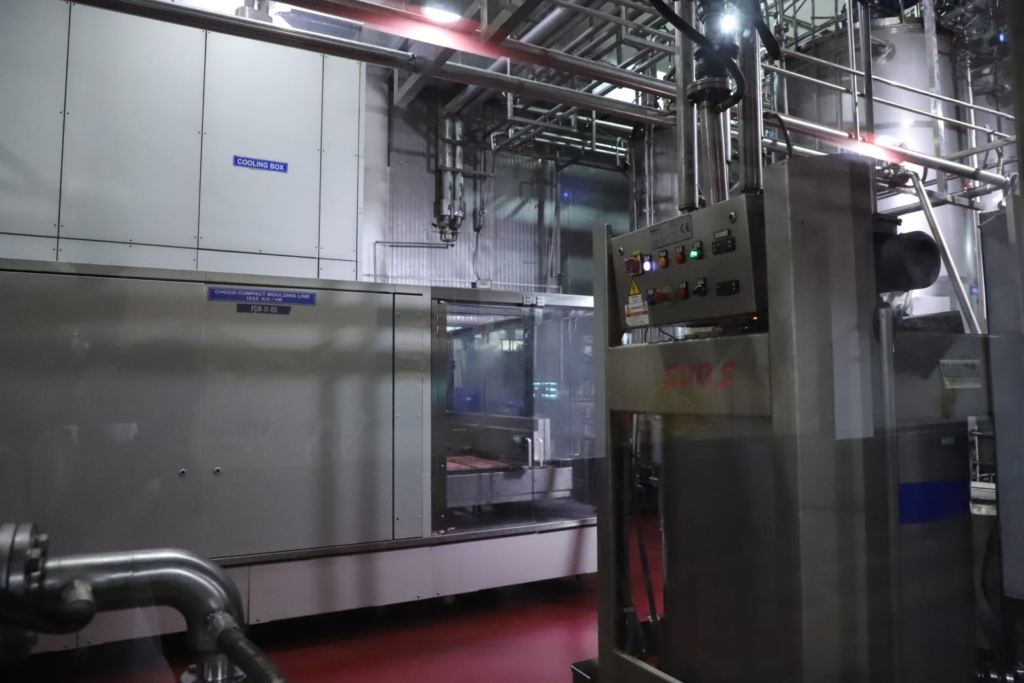
Kamal Prajapati told that Amul’s chocolate is produced in this plant. The chocolate prepared here is supplied across the country and various products are also exported.
He told that palm oil is not used in Amul’s pure chocolate. Cocoa butter and fat obtained from milk are used in chocolate manufacturing. He said that Amul tries to avoid palm oil as far as possible.
Cocoa solids, cocoa powder, cocoa mass and cocoa butter (Amul Chocolate) are used in different categories of chocolate. Milk powder is used in milk chocolate, whereas milk-based ingredients are not used in dark chocolate.
Scientific testing to check quality Amul Chocolate
Regular scientific tests are conducted at the plant to ensure the quality and shelf life of the finished products (Amul Chocolate). Kamal Prajapati said that the quality of the products is regularly checked by keeping them in the market under prescribed conditions. It includes chemical, microbial and organoleptic tests.
Additionally, the extended shelf life test (Amul Chocolate) assesses the stability of products by exposing them to relatively high temperatures. He told that the moisture content in chocolate is very low, about 0.6 to 0.7 percent, due to which the possibility of microbial growth in it is very less.

Take-home ration: Important production related to nutrition of children and women
An important activity of Amul campus is related to the Take-Home Ration Scheme of Gujarat Government. Here nutritious food mixture is prepared for children aged between six months to three years and pregnant and lactating women.
Kamal Prajapati told that this pulse and grain based powder is fortified as per the nutritional standards set by the government and is delivered to the beneficiaries (Amul Chocolate) through Anganwadi centres. Under the scheme, the arrangement for how much nutritious food is to be given to the beneficiaries and at what interval is decided by the government.
He told that this nutritional mixture can be prepared not only in powder form, but various local food items (Amul Chocolate) can also be prepared from it. For this, a recipe booklet has been provided by the government. Bhakri, Sukhdi and other food items can be made from it.
For this scheme, production and distribution arrangements have been made through three plants of Amul in Gujarat. As per the requirement of the area, the finished products from these plants are distributed as per the prescribed monthly schedule.
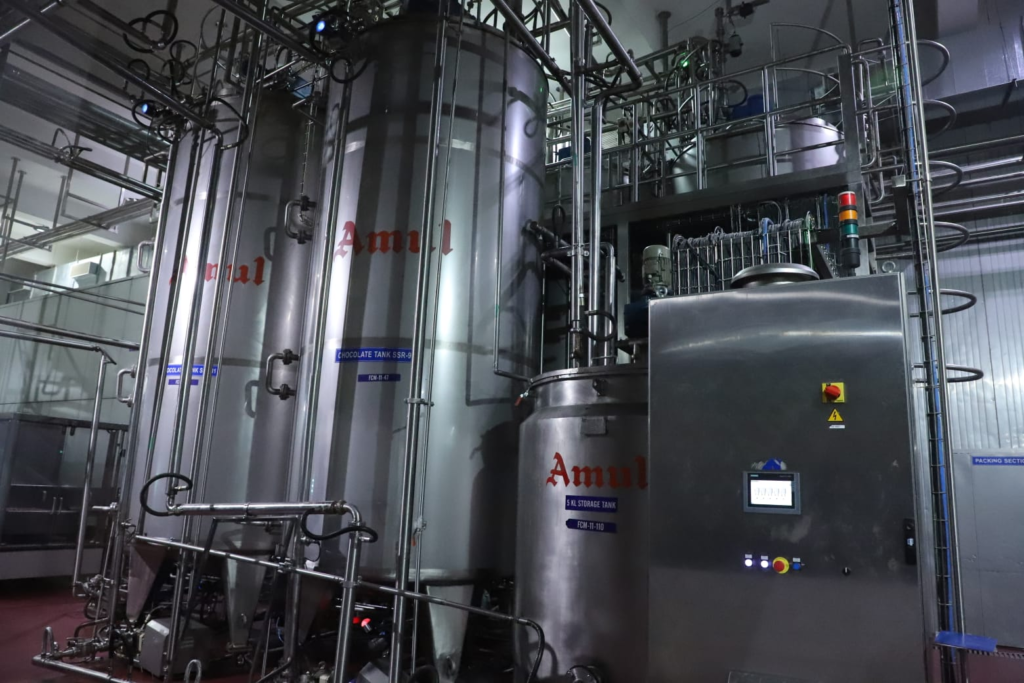
From chocolate to frozen food and peanut butter
Ready-to-eat therapeutic food is also produced on the premises. Kamal Prajapati told that earlier peanut paste (Amul Chocolate) was supplied to UNICEF in this plant. Presently products like ketchup, mayonnaise and peanut butter are also manufactured here.
The frozen plant produces frozen snacks, parathas, vegetables and gravies. Apart from this, various types of sweets and malt based products are also prepared. Amul’s initial malt based product ‘Nutramul’ to the current ‘Amul Pro’ are part of this food product range.
Margarine is also produced on the premises. Apart from this, Amul has also expanded into the field of organic products, which includes organic flour, pulses, grains and spices.
Amul associated with cocoa producing farmers and cooperative institutions
Regarding the purchase of cocoa required for chocolate production, Kamal Prajapati said that cocoa cultivation (Amul Chocolate) requires special climatic conditions. India has favorable conditions for cocoa production in some areas of South India, including Karnataka.
Amul works with farmers and cooperative institutions in these areas. Farmers produce cocoa beans, which are used to make products such as cocoa butter, cocoa powder, and cocoa mass. Amul also purchases these products, which helps in providing markets to cocoa producing farmers.
use of natural colors
Regarding the use of colors in food products, Kamal Prajapati said that artificial colors are not used in Amul’s chocolates. In products where color is required, colors obtained from natural sources are used.
He told that natural sources like turmeric are used for yellow color and beetroot for red color. Colors are extracted from these natural sources and used in products after necessary processing.
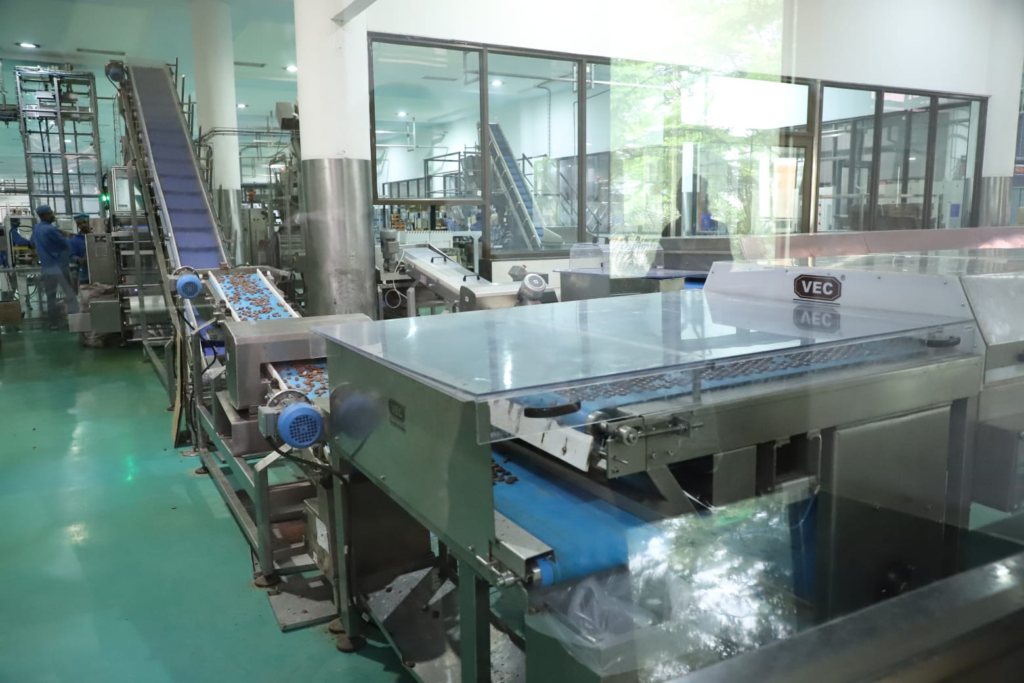
Journalists from Chhattisgarh, who came on a five-day study tour of Gujarat, learned about this multi-faceted development of Amul Chocolate. food complex Visited Amul and learned about various aspects related to chocolate manufacturing, quality control, product development, cocoa procurement, nutritional products and cooperative model of Amul.

Comments are closed.