


Highlights
- Antennagate 2025 highlights widespread signal issues in budget smartphones caused by poor antenna design, cheaper materials, and weak software optimization.
- 5G adoption worsens connectivity in low-cost phones due to limited band support, overheating modems, and unstable network switching.
- Manufacturers prioritize specs over reliability, leaving budget users with call drops and poor reception while premium phones benefit from advanced antenna tech
A Familiar Problem Returns in a New Disguise
In 2010, the world saw one of the biggest smartphone controversies — Apple’s “Antennagate.” The iPhone 4 would lose signal if you held it a certain way, causing a storm of user complaints and memes that forced Apple to issue free cases. Fifteen years later, in 2025, the term “Antennagate” has quietly resurfaced — but this time, the problem looks very different.
It’s not just one model or one brand. Across markets, from India to Latin America, millions of users are reporting poor reception, call drops, and erratic mobile data speeds — especially in budget smartphones. And while premium devices move toward AI-powered antennas and satellite links, the affordable category seems trapped in an old problem with a new face.
So what exactly is happening behind these “signal issues”? Why are 2025’s affordable smartphones struggling to stay connected in a hyperconnected world?
The New Face of Antennagate
The new “Antennagate” isn’t about design flaws in a single phone — it’s about a recurring pattern across multiple low-cost devices. From under-$250 Android models to 5G-enabled budget phones, many users report signal instability, weaker indoor reception, and call quality that feels like a step back in time.
Several teardown experts and independent reviewers point to a mix of reasons:
- Cheaper materials are used in antenna frames.
- Overcrowded internal layouts.
- Software not optimized for network transitions.
- Manufacturers are prioritizing style over connectivity.
The result is a frustratingly familiar experience: phones that look good, promise 5G, but fail in the one thing they’re built for — stable communication.
What’s Actually Going Wrong Inside These Phones
If we dig deeper into the hardware side, a clear pattern appears. Most affordable smartphones in 2025 are victims of design compromises that save cost but sacrifice connectivity.

1. Antenna Placement Conflicts with Design Trends
Manufacturers now chase slim profiles and larger cameras. But thinner frames and heavy metal backplates interfere with antenna performance. In some models, simply holding the phone from the sides causes partial signal blockage — almost exactly like the iPhone 4 scenario.
2. Cost-Driven Material Choices
Instead of copper or advanced polymers, some brands use cheaper alloys that don’t transmit signals as efficiently. Combined with poor insulation and layout, this causes interference between internal components and the antenna lines.
3. RF Chips and Network Handling
The radio frequency chips responsible for maintaining connections are among the most expensive parts of a smartphone. To cut costs, brands often choose basic versions that can’t handle sudden shifts between 4G and 5G or between two SIMs running data simultaneously.
4. Software Neglect
Even if the hardware isn’t terrible, the software often is. Network optimization requires fine-tuning of modem firmware and regional calibration. Many budget devices skip this step, relying instead on a “one-size-fits-all” configuration that doesn’t suit local networks.
In short, today’s “Antennagate” is the result of hardware shortcuts and rushed software releases, both products of the fierce competition to stay cheap and fast-moving.
How 5G Complicated the Problem
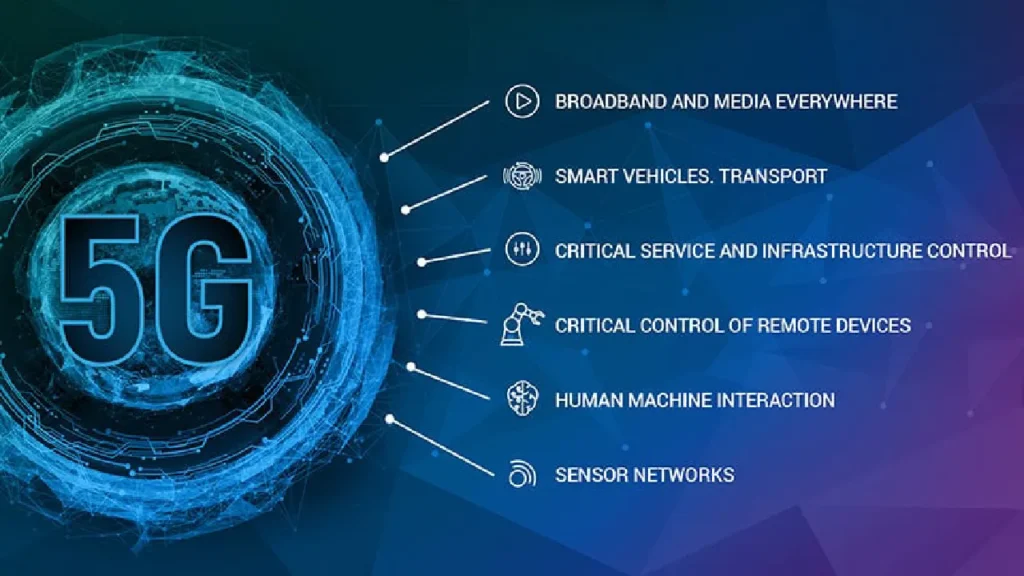
5G was supposed to fix everything — faster speeds, better connectivity, lower latency. But in the budget segment, it often made things worse.
Here’s why:
- Limited Band Support: Budget 5G phones typically support only “sub-6 GHz” bands. These are good for coverage but poor in congested areas. Without “mmWave” support, the speed and stability vary wildly.
- Poor Antenna Calibration: Many phones advertise “5G Ready” but use a generic antenna layout that can’t handle rapid band switching.
- Battery Drain and Thermal Interference: The low-cost modems used in these phones heat up quickly, which further affects the antenna’s signal consistency.
The irony is, while marketing screams “5G power,” the average user experiences more dropped calls and unstable internet than before.
The Market Pressure Behind the Mess
The rise of this issue isn’t just technical — it’s economic. The budget smartphone race has become an arms competition among brands like Xiaomi, Realme, Infinix, and Tecno. Each quarter brings a new phone that looks flashier and packs higher megapixels, larger batteries, and 120Hz displays — all within a tight price range.
Something has to give, and that “something” is often the antenna design.

Manufacturers cut corners by:
- Reusing antenna modules from older designs.
- Outsourcing production to third-party facilities without rigorous testing.
- Focusing testing on camera and performance benchmarks, not signal reliability.
As one teardown engineer put it, “Most of these budget phones are optimized for the spec sheet, not the real world.”
Real User Experiences Reflect the Flaws
Spend a few minutes on tech forums or Reddit threads, and the pattern becomes clear. Users report issues like:
- Signal drops to zero during calls.
- Data cutting off in elevators or rooms where other phones work fine.
- Weak hotspot range and inconsistent 5G switching.
Comments like “My old 4G phone had better reception than this new one” are becoming common. Even reviewers on YouTube now include “network stability” as a test category — something that was rarely mentioned five years ago.
These are not isolated complaints. They represent a widespread quality decline hidden beneath aggressive marketing and glossy design.
Experts Warn: The Core Issue Is Ignored
According to a 2025 Counterpoint Research report, nearly 40% of budget smartphone users in developing regions report “frequent connectivity dissatisfaction.” Industry analysts note that the problem is not just infrastructure — it’s manufacturing priorities.
An RF design consultant told TechGenyz that “brands spend millions on camera optimization but a fraction on antenna calibration.”
Telecom companies, on the other hand, defend themselves by saying networks are functioning as designed — implying that handset makers need to do better hardware-level tuning.
What this means is that the network isn’t the problem — the device is.
The Tech Divide Between Flagship and Budget Phones
Premium smartphones have already moved on to AI-managed antennas. These use real-time sensors to detect how the user holds the phone and automatically reroute signal paths to prevent blockage.
They also include dynamic tuning modules that adjust signal gain depending on tower distance, body interference, and environmental conditions.

But these technologies haven’t trickled down yet because:
- They require advanced chipsets and sensors.
- AI calibration adds cost to both software and testing.
- Entry-level processors simply can’t handle the same signal mapping load.
So while flagship users enjoy stable 5G even in basements, those using budget phones still struggle with call quality that feels like 2014.
Why Software Updates Haven’t Helped Much
Manufacturers often promise that OTA (over-the-air) updates fix network bugs. But in most cases, updates only tweak modem firmware slightly — they can’t fix the physical limitations of a poorly designed antenna.
Some brands do roll out minor signal patches, but they rarely address the root cause: weak hardware placement and insufficient shielding. Unless companies test their devices in real-world environments — crowded areas, concrete buildings, or rural zones — software alone won’t close the gap.
How Manufacturers Can Redeem Themselves
If brands want to fix this growing issue, experts suggest a few practical steps:
- Redesign the Internal Layout: Antenna placement should take priority over cosmetic symmetry.
- Conduct Field Testing Before Launch: Use regional testing to tune for local frequency bands.
- Adopt Modular Antenna Systems: Detachable or adaptive antenna arrays could reduce interference.
- Collaborate With Carriers: Joint optimization ensures better real-world performance across networks.
- Invest in Signal Quality Marketing: Instead of chasing megapixels, highlight connectivity reliability as a selling point.

These steps may seem expensive, but they build long-term trust — something budget brands often lose over poor connectivity.
What Users Can Do to Cope
Until the problem improves, users can take small actions to reduce disruptions:
- Avoid gripping the phone tightly from the sides during calls.
- Keep your device updated to the latest firmware.
- Test network strength using diagnostic apps before assuming it’s a carrier issue.
- Consider dual-SIM switching or using Wi-Fi calling where possible.
- Research user reviews about signal performance before buying a new phone.
Even small awareness changes can help users identify whether the problem lies with the network or their handset.
The Future of Antenna Design: Beyond 2025
The industry isn’t standing still. Research is underway on next-generation antenna materials like graphene and carbon nanotubes that could improve flexibility and conductivity.
Startups are also experimenting with multi-layer smart antenna surfaces, which can automatically adjust orientation to boost signal reception without manual tuning.

Some Chinese manufacturers are rumored to be testing MEMS (micro-electromechanical system) antennas, capable of changing signal direction dynamically. If scaled affordably, these could bring flagship-level reception to sub-$200 phones by 2027.
There’s also growing interest in AI-based antenna health diagnostics, which could alert users to signal weak zones and suggest positioning changes in real time — an innovation likely to reach mainstream markets soon.
Beyond Specs: Connectivity as a Core Value
For years, the budget smartphone war has revolved around features like cameras, display refresh rates, and battery capacity. But if Antennagate 2025 proves anything, it’s that basic reliability still matters most.
A phone’s worth is not in how sharp its photos are, but how well it connects you to people and information. In an era where everything — from payments to navigation — relies on stable connectivity, losing a signal isn’t just an inconvenience; it’s a vulnerability.
Budget phones shouldn’t mean compromised essentials. As networks evolve and expectations rise, brands that take connectivity seriously will stand out in the crowd.

Final words
The Antennagate of 2025 isn’t about one company or one phone — it’s a reflection of how the industry has drifted. In the rush to deliver flashy features at record-low prices, manufacturers have forgotten that the most basic feature of a phone is still signal strength.
It’s time for the industry to return to fundamentals. Connectivity should be treated as a flagship feature, not a side note. Because no matter how powerful the processor or how sharp the display, a phone that can’t hold a signal is no smartphone at all.
Stay updated with TechGenyz for more deep-dive analyses into the technologies shaping the devices we depend on every day.

Comments are closed.